In today’s vibrant educational landscape, fostering independence in students is more important than ever.
As we navigate through the complexities of learning, we find ourselves seeking tools that not only enhance knowledge but also empower students to take charge of their own educational journeys.
Independent projects are a wonderful way to cultivate creativity, critical thinking, and self-direction among learners.
However, to truly support these endeavors, educators need to embrace a variety of classroom tools designed to nurture autonomy and engagement.
Creating a nurturing environment for independent projects begins with the right resources. Technology has become an integral part of education, offering endless possibilities for student exploration. Online platforms, such as collaborative workspaces, can serve as a digital haven for students to brainstorm, share ideas, and collaborate on their projects. Tools like Google Workspace allow for real-time collaboration, enabling students to contribute from anywhere, fostering a sense of teamwork even in independent endeavors.
Digital storytelling tools also hold a special place in the realm of independent projects. Applications like Storybird or Adobe Spark allow students to express their ideas creatively. These platforms encourage them to weave narratives, design visuals, and present their findings in engaging formats. By using these tools, students can transform their projects into captivating stories that resonate not only with their peers but with a broader audience as well.
A small shift toward balance can be achieved by integrating project management applications into the classroom. Tools like Trello or Asana enable students to break down their projects into manageable tasks, set deadlines, and track their progress. This fosters a sense of responsibility and organization, essential skills that will serve them well beyond the classroom. With these applications, students learn the importance of planning and time management, allowing them to navigate their projects with a clear direction.
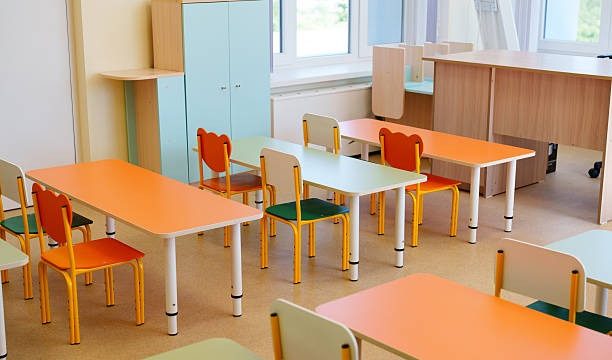
Beyond digital tools, the physical classroom environment plays a crucial role in supporting independent projects. Flexible seating arrangements can create a more comfortable and inviting atmosphere for students to engage in their work. By allowing them to choose where they feel most productive—be it at a desk, on a beanbag, or even on the floor—students can tailor their learning spaces to suit their individual needs. This empowerment of choice encourages a sense of ownership over their projects and enhances their overall experience.
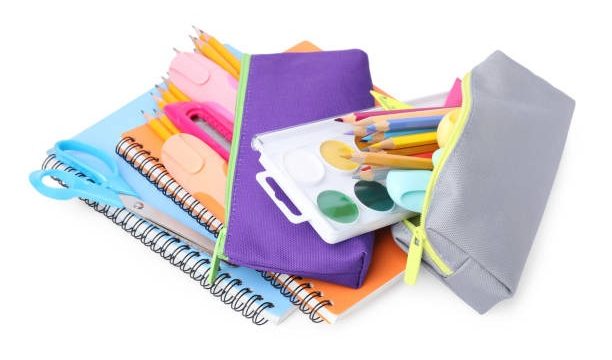
Incorporating hands-on materials into the classroom is another excellent way to support independent projects. A well-stocked supply of craft materials, science kits, or even simple everyday items can inspire creativity and innovation. When students have access to tactile resources, they can experiment, build, and create in ways that resonate deeply with their interests. This exploration is a vital part of the learning process, allowing them to connect theory with practice.
To foster deeper understanding and engagement, educators can introduce inquiry-based learning. This approach encourages students to explore questions that intrigue them, driving their projects from genuine curiosity. By allowing students to choose their topics and guiding them through the research process, educators create an environment where learning becomes a personal journey. This method not only enhances knowledge but also instills a love for learning that can last a lifetime.
As students embark on their independent projects, it’s essential to provide them with mentorship and support. Teachers can play a pivotal role by offering guidance while allowing students the freedom to explore their ideas. Regular check-ins can help students stay on track without stifling their creativity. This balance of support and independence teaches students the value of seeking help when needed, fostering confidence in their abilities.
Encouraging reflection is another vital aspect of independent projects. Providing students with journals or digital portfolios allows them to document their processes, thoughts, and progress. Reflection helps them articulate their learning experiences, assess their challenges, and celebrate their achievements. This practice not only deepens their understanding but also cultivates a growth mindset, empowering them to view obstacles as opportunities for growth.
As we consider the social aspect of learning, peer feedback can be incredibly beneficial for students engaged in independent projects. Creating opportunities for students to share their work with classmates fosters a sense of community and collaboration. Constructive feedback can spark new ideas and encourage students to think critically about their projects. This collaborative spirit nurtures an environment where students feel supported and motivated to push their boundaries.
In addition to the tools and resources, it’s essential to instill a sense of purpose in independent projects. When students understand the relevance of their work to real-world issues or their personal interests, they are more likely to engage deeply. Encouraging them to connect their projects to current events, community needs, or their passions can ignite a fire of motivation. This connection to the world around them transforms their projects from mere assignments into meaningful endeavors.
As we embrace the tools and strategies that support independent projects, it’s crucial to remember that the journey is as important as the destination. Each student’s path will be unique, filled with discoveries, challenges, and moments of triumph. By creating a supportive environment enriched with diverse resources, we empower students to embark on their learning adventures with confidence and curiosity.
In conclusion, the classroom tools that support independent projects are not just about technology or materials; they are about creating a holistic environment that nurtures creativity, critical thinking, and self-direction. By embracing a blend of digital and physical resources, fostering inquiry-based learning, and encouraging reflection and collaboration, educators can cultivate a space where students thrive as independent learners. In doing so, we not only prepare them for academic success but also equip them with the skills and mindset needed to navigate the world beyond the classroom. As we continue to explore new ways to support independent learning, let us remain committed to nurturing the curious minds of the future.