Teaching can be a deeply rewarding experience, filled with moments of connection, discovery, and growth.
Yet, like any profession, it can also be challenging and, at times, overwhelming.
Fortunately, there are simple tools that can transform the teaching experience, making it not only more enjoyable for educators but also enriching for students.
By incorporating a few thoughtful resources into your classroom, you can create an environment that fosters engagement and joy.
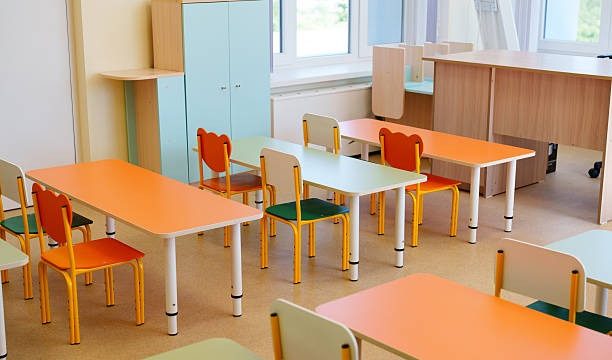
Creating an inviting classroom atmosphere begins with the tools we choose to use. One of the most effective yet often overlooked tools is a well-organized and visually appealing classroom. A space that reflects warmth can significantly impact the mood of both teachers and students. Consider incorporating comfortable seating options, vibrant colors, and displays of student work. These elements not only enhance the aesthetic appeal of the classroom but also promote a sense of belonging and pride among students.
In addition to the physical layout, integrating technology can enhance the teaching experience in meaningful ways. Smartboards, for example, are versatile tools that allow for interactive lessons, making it easier to engage students in a dynamic way. They can be used to display presentations, share videos, or even host interactive quizzes that encourage participation. By embracing technology, you’re not just teaching a subject; you’re creating an experience that resonates with today’s learners.
Another simple yet effective tool is the use of educational games. Incorporating game-based learning can make lessons more enjoyable and memorable. Games stimulate competition and collaboration, encouraging students to work together while reinforcing core concepts. Whether it’s a fun trivia game related to the lesson or a team-based challenge, the element of play can transform traditional learning into an adventure. The laughter and excitement that these games bring can create lasting memories for both teachers and students, fostering a positive classroom culture.
A small shift toward balance can also be achieved through mindfulness practices. Introducing short mindfulness exercises or breathing techniques at the beginning or end of a lesson can set a calm tone for the classroom. These practices not only help students focus but also allow teachers to ground themselves, creating a more serene learning environment. Simple activities, such as a few minutes of guided breathing or a moment of gratitude sharing, can make a significant difference in the overall atmosphere.
Storytelling is another powerful tool that can enhance teaching. It’s a method that transcends age and subject matter. By weaving narratives into lessons, you can captivate your students’ attention and make complex ideas more relatable. Whether you’re teaching history, science, or literature, stories can provide context and emotional depth, turning abstract concepts into tangible experiences. Encouraging students to share their own stories can further enrich the classroom dynamic, promoting empathy and understanding among peers.
Collaboration is essential in any educational setting, and fostering a sense of community can be achieved through simple tools like group projects or peer teaching. Encouraging students to work together not only enhances their social skills but also allows them to learn from one another. This collaborative approach can be particularly effective in subjects that benefit from diverse perspectives, such as the arts or humanities. Creating opportunities for students to share their unique insights can lead to richer discussions and a deeper understanding of the material.
The power of feedback should not be underestimated either. Simple tools for providing constructive feedback can make a world of difference in the learning process. Consider using peer review sessions or feedback forms that encourage students to reflect on their work and that of their classmates. This not only helps them improve but also fosters a culture of growth and support. When students see feedback as a tool for development rather than criticism, it can significantly enhance their motivation and engagement.
As we explore the tools that can make teaching more enjoyable, let’s not forget the importance of self-care for educators. Teaching can be an emotionally demanding profession, and taking care of one’s own well-being is crucial. Simple practices, such as setting aside time for personal reflection or engaging in hobbies outside of school, can recharge your spirit and enhance your effectiveness as an educator. It’s essential to model self-care for students, demonstrating that it’s okay to prioritize mental and emotional health.
Incorporating the arts into the classroom is another simple yet impactful way to enhance the teaching experience. Art can be a powerful medium for expression, allowing students to explore their creativity while reinforcing core concepts. Whether through drawing, music, or drama, integrating artistic elements into lessons can invigorate the learning process. This approach not only caters to different learning styles but also encourages students to engage with the material in a way that feels authentic to them.
Finally, the role of community cannot be overlooked. Building strong relationships with parents and guardians can create a support network that enriches the educational experience. Regular communication through newsletters, parent-teacher conferences, or even informal gatherings can foster a sense of partnership. When families feel involved in their child’s education, it enhances the overall learning environment and contributes to a more positive experience for everyone involved.
In conclusion, the journey of teaching can be made more enjoyable through the thoughtful integration of simple tools and practices. By creating an inviting atmosphere, embracing technology, incorporating games, and fostering mindfulness, educators can transform their classrooms into vibrant spaces of learning. Storytelling, collaboration, constructive feedback, self-care, artistic expression, and community engagement further enrich this experience. Ultimately, teaching is not just about imparting knowledge; it’s about creating connections, inspiring curiosity, and nurturing the joy of learning. With these tools in hand, educators can cultivate a fulfilling and enjoyable teaching experience for themselves and their students alike.