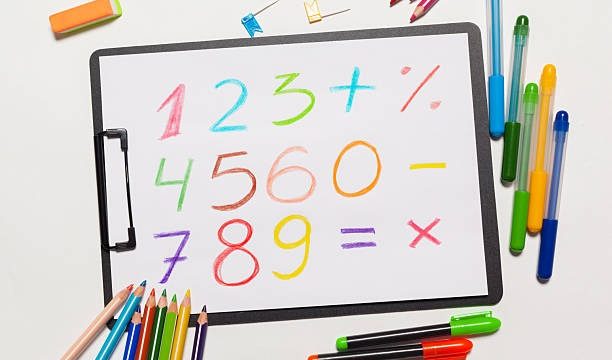
Learning the alphabet is often one of the first milestones in a child’s educational journey.
While traditional methods can be effective, there are countless ways to make this experience not only educational but also fun and engaging.
Infusing creativity into alphabet learning can transform the process into a delightful adventure, fostering a love for letters that lasts a lifetime.
When we think about learning the alphabet, images of flashcards and worksheets might come to mind. However, there’s a world of imaginative activities that can make each letter come alive. By incorporating art, storytelling, and interactive play, we can create a vibrant atmosphere where children feel excited to explore the world of letters.
A gentle approach to alphabet learning can start with the environment around us. Consider creating an alphabet-rich space at home. This could be as simple as hanging letters made from colorful paper or fabric on the walls. You might choose to spell out the child’s name or favorite words, allowing them to see and recognize letters in a familiar context. The goal is to surround them with letters in a way that sparks curiosity and joy.
Engaging with nature can also provide a refreshing backdrop for learning. Take a walk outside and encourage children to look for letters in the world around them. From the curves of tree branches to the straight lines of fences, nature offers endless opportunities to recognize shapes and letters. Perhaps you could even collect leaves or rocks and use them to form letters, combining creativity with exploration.
Storytelling is another powerful tool in the alphabet learning toolkit. Reading together not only enhances language skills but also introduces letters in a context that makes sense to children. Choose books that focus on the alphabet, where each page features a letter with corresponding illustrations. As you read, encourage children to repeat the letters and sounds, making it a playful interaction rather than a chore.
Crafting can also be a delightful way to learn. Simple activities like making letter collages can engage children’s hands and minds. Provide magazines, scissors, and glue, and invite them to find images that start with each letter. This not only reinforces letter recognition but also enhances fine motor skills. Plus, the end result is a personalized piece of art that they can proudly display.
Music, too, has a magical way of embedding knowledge in our minds. Singing the alphabet song is a classic, but there are many other fun tunes that can reinforce letter sounds. Create a playlist of songs that emphasize different letters, or even make up your own catchy tunes together. Dance and movement can be incorporated to make it even more engaging, turning learning into a joyful celebration.
Incorporating technology can further enrich the learning experience. There are numerous educational apps and online games designed to make alphabet learning interactive and fun. Look for options that emphasize creativity, such as those that allow children to draw letters or listen to stories. When used mindfully, technology can be a wonderful complement to hands-on activities.
A small shift toward balance can be achieved by mixing structured learning with free play. Allow children to explore letters through unstructured activities, such as building with blocks or playing with letter-shaped toys. This kind of play fosters creativity and imagination, encouraging children to experiment with how letters fit into their world.
Involving the whole family can enhance the experience, too. Family game nights centered around the alphabet can be both educational and entertaining. Consider games that involve spelling or letter recognition, where everyone can participate. This not only strengthens the bonds between family members but also creates a supportive environment for learning.
Art projects can also be a wonderful way to explore the alphabet. Encourage children to create their own alphabet books, where each page represents a letter they’ve illustrated. This activity combines creativity with literacy, allowing children to express themselves while reinforcing their understanding of letters. Displaying their work can boost confidence and provide a sense of accomplishment.
As children grow, their understanding of letters can evolve into a deeper appreciation for language. Encouraging them to write letters or postcards to family members can be a delightful way to practice their skills. This not only reinforces letter formation but also teaches the importance of communication and connection.
The journey of learning the alphabet can be filled with laughter, creativity, and discovery. By nurturing a love for letters through playful, engaging activities, we can inspire children to embrace learning with open hearts and curious minds. Each letter holds the promise of new words, stories, and adventures, making the experience not just about letters but about the joy of exploration and expression.
In conclusion, alphabet learning can be a vibrant and dynamic experience that goes beyond the pages of a workbook. By tapping into creativity, nature, storytelling, and family involvement, we can create an enriching environment that celebrates the beauty of language. As children explore letters through play and imagination, they not only learn but also develop a lifelong passion for reading and writing. The alphabet is just the beginning of a grand adventure, and with a little creativity, the journey can be as exciting as the destination.