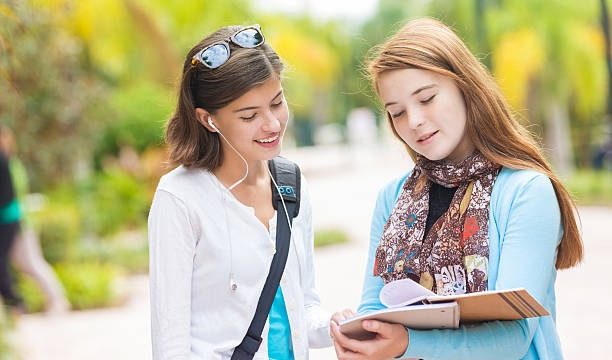
In the ever-evolving world of education, fostering engagement in the classroom has become a crucial goal for educators. With the right tools and techniques, teachers can create an environment that not only enhances learning but also inspires students to actively participate. As we explore various tools that encourage interaction, let’s remember that the heart of education lies in the connections we form and the experiences we share.
A gentle nudge toward connection
One of the simplest yet most effective ways to enhance interaction in the classroom is through the use of technology. Tools such as interactive whiteboards have transformed traditional teaching methods into dynamic learning experiences. These boards allow teachers to present information in a visual format that captivates students’ attention. With features that enable real-time collaboration, students can contribute their thoughts and ideas directly onto the board. This not only makes lessons more engaging but also fosters a sense of ownership among students, encouraging them to take an active role in their learning journey.
Another popular tool is the incorporation of educational apps into the classroom. Platforms like Kahoot! and Quizizz offer a fun and interactive way to reinforce lessons through quizzes and games. These apps allow teachers to create customized quizzes that can be taken in real-time, providing instant feedback and sparking friendly competition among students. The excitement generated by these interactive sessions can be contagious, turning a standard review into an exhilarating experience that students look forward to.
A small shift toward balance
While technology plays a significant role in enhancing classroom interaction, balancing it with traditional methods can lead to a more holistic approach. Incorporating group discussions and peer-to-peer teaching can create a vibrant atmosphere where students feel valued and heard. Encouraging students to share their insights fosters a sense of community and enhances their communication skills. When students engage in discussions, they not only learn from the teacher but also from each other, creating a rich tapestry of knowledge that benefits all.
In addition to fostering dialogue, incorporating hands-on activities can significantly elevate student interaction. Projects that require collaboration, such as science experiments or creative presentations, allow students to work together toward a common goal. This not only enhances their problem-solving skills but also nurtures teamwork and collaboration—essential skills for their future endeavors. By creating opportunities for students to engage in active learning, educators can cultivate an environment where curiosity thrives.
The power of storytelling
Storytelling is another powerful tool that can enhance interaction in the classroom. When teachers share personal anecdotes or relevant stories related to the lesson, they create a relatable context that resonates with students. This method not only piques students’ interest but also encourages them to share their own stories and experiences. By creating a narrative around the subject matter, teachers can tap into students’ emotions, making the learning experience more memorable and impactful.
Additionally, encouraging students to create their own stories or narratives related to the curriculum can deepen their understanding of the material. Whether it’s through writing, art, or digital media, storytelling allows students to express their creativity while reinforcing their learning. This approach not only engages them but also helps them to internalize concepts in a way that is meaningful to them.
Nurturing a supportive environment
Creating a classroom atmosphere that encourages interaction goes beyond the tools used; it also involves the relationships formed within that space. Building trust and rapport with students is essential for fostering an environment where they feel safe to express their thoughts and ideas. Taking the time to understand each student’s unique perspective can create a sense of belonging that promotes active participation.
Incorporating mindfulness practices can also contribute to a more supportive classroom environment. Simple activities such as brief meditation sessions or guided breathing exercises can help students focus and feel more grounded. When students feel calm and centered, they are more likely to engage with the material and participate in discussions. By prioritizing emotional well-being, educators can create a more conducive atmosphere for learning.
The role of feedback
Feedback is an integral part of the learning process, and it can also enhance interaction in the classroom. Providing constructive feedback encourages students to reflect on their work and understand areas for improvement. When feedback is delivered in a supportive manner, it fosters a growth mindset, allowing students to see challenges as opportunities for learning rather than obstacles.
Encouraging peer feedback can also promote interaction among students. When they provide insights on each other’s work, they not only learn from one another but also develop critical thinking skills. This collaborative approach creates a culture of support and encourages students to take ownership of their learning journey.
Embracing diversity
In today’s diverse classrooms, recognizing and embracing differences can significantly enhance interaction. Utilizing culturally responsive teaching methods can create a more inclusive environment where every student feels valued. By incorporating diverse perspectives and materials into lessons, educators can encourage students to share their unique experiences and viewpoints.
Creating opportunities for students to collaborate with peers from different backgrounds can also enrich the learning experience. When students engage with a variety of perspectives, they develop empathy and a broader understanding of the world around them. This not only fosters interaction but also prepares them to thrive in an increasingly interconnected society.
As educators seek to bring more interaction into their classrooms, it’s essential to remember that the tools we use are only as effective as the relationships we build. By fostering connection, embracing creativity, and nurturing a supportive environment, teachers can create a vibrant learning space that inspires students to engage actively in their education. In this journey, every small step taken toward enhancing interaction can lead to meaningful changes in the classroom, ultimately enriching the educational experience for all.