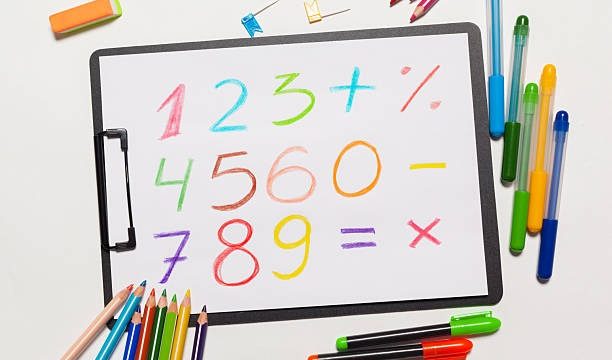
When it comes to nurturing a toddler’s love for learning, the journey often begins with the simplest of building blocks: letters.
The world of letters can be a magical place, filled with stories, sounds, and the promise of adventure.
Making this early learning experience enjoyable and engaging is crucial for fostering a lifelong love of reading and writing.
Let’s delve into some gentle and playful ways to make learning letters a delightful part of your toddler’s day.
Creating a Letter-Loving Environment
To spark a toddler’s interest in letters, it’s essential to create an environment that is rich in language and literacy. This doesn’t require a complete overhaul of your home; small changes can make a significant impact. Consider surrounding your little one with books, colorful alphabet posters, and even letter-themed toys. The presence of these elements can ignite curiosity and encourage exploration.
Reading together is one of the most effective ways to introduce letters. Choose picture books that feature repetitive phrases and vibrant illustrations. As you read, point to the letters and words to help your toddler make connections between sounds and symbols. This shared experience not only nurtures language skills but also strengthens your bond.
Playful Letter Activities
Engaging your toddler in hands-on activities can transform letter learning into an exciting game. Simple crafts can be a wonderful way to integrate letters into playtime. For instance, using construction paper, you can cut out large letters and let your child decorate them with crayons, stickers, or even natural elements like leaves and flowers. This tactile approach helps reinforce letter recognition while encouraging creativity.
Another fun activity is to create a letter scavenger hunt around the house. Hide objects that start with different letters and encourage your toddler to find them. For example, you might place a toy ball for the letter “B” or an apple for the letter “A.” This not only makes learning interactive but also helps develop their observational skills.
Incorporating Music and Movement
Toddlers are naturally drawn to music and movement, making these elements excellent tools for learning letters. Singing the alphabet song is a classic approach, but you can expand on this by incorporating actions. For example, you might have your child jump for each letter or clap their hands when they hear a specific sound. This kinesthetic learning method enhances memory retention and makes the experience enjoyable.
Consider introducing songs that highlight specific letters and their sounds. Many children’s music artists create catchy tunes that focus on phonics, making it easier for toddlers to remember the sounds associated with each letter. Dancing and singing together creates a joyful atmosphere, allowing learning to happen almost effortlessly.
Storytime Adventures
Storytime can be a magical portal to the world of letters. Choose books that emphasize letters or phonetic sounds and engage your toddler with interactive storytelling. As you read, pause to ask questions about the characters or events. This encourages comprehension and keeps your little one engaged.
You can also create your own stories centered around letters. For instance, make up a tale about an adventurous “A” that goes on a journey to find its friends. This imaginative approach not only reinforces letter recognition but also fosters creativity and storytelling skills.
Using Technology Wisely
In today’s digital age, technology can serve as a helpful ally in learning. There are numerous educational apps and games designed specifically for toddlers that focus on letters and phonics. These interactive platforms can captivate your child’s attention while providing an engaging way to learn. It’s important to choose age-appropriate content and to use technology as a supplement to hands-on learning experiences.
Balance is key; while technology can be beneficial, nothing replaces the warmth of shared moments spent reading and playing together. Aim for a harmonious blend of digital and physical activities to create a well-rounded learning environment.
Encouraging Curiosity
As your toddler begins to recognize letters, it’s essential to nurture their curiosity. Encourage them to ask questions about words they see in everyday life, whether on signs, labels, or in books. This practice not only reinforces their learning but also shows them that letters are everywhere, waiting to be discovered.
Celebrate their efforts, no matter how small. If your child identifies a letter or attempts to write one, offer praise and encouragement. This positive reinforcement can build their confidence and motivate them to continue exploring the world of letters.
Fostering a Lifelong Love of Learning
Ultimately, the goal of introducing letters to toddlers is to cultivate a love of learning that lasts a lifetime. By making the process enjoyable and engaging, you lay a strong foundation for future literacy skills. Remember that every child learns at their own pace, and patience is key. Celebrate the small victories and embrace the journey together.
As you embark on this adventure of letter learning, keep the experience light-hearted and fun. The joy of discovering letters can lead to countless stories and new worlds for your little one. By weaving learning into everyday life, you create an enriching environment that fosters growth, curiosity, and a deep appreciation for the written word.
In this beautiful journey of letters and sounds, you have the opportunity to shape not only your toddler’s literacy skills but also their outlook on learning itself. With warmth, creativity, and a sprinkle of playfulness, you can turn the seemingly simple act of learning letters into a lifelong love of reading and discovery. Embrace this time together, and watch as their world expands, one letter at a time.