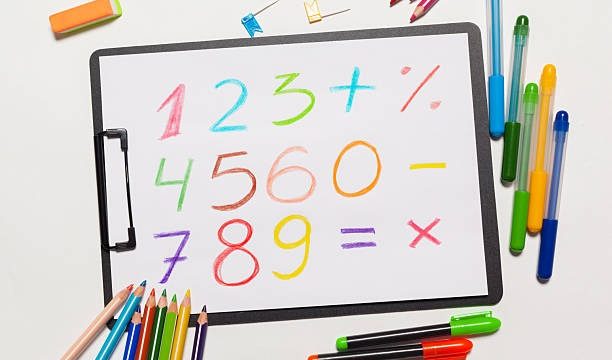
Engaging your child in alphabet learning can be a delightful journey filled with exploration and creativity.
As young minds begin to grasp the fundamental building blocks of language, it opens up a world of possibilities, enhancing their communication skills and fostering a love for reading.
The key is to make this learning process enjoyable and interactive, allowing children to discover letters and sounds in a way that feels natural and fun.
Creating a playful atmosphere is essential. Children learn best when they are relaxed and happy. Consider integrating alphabet activities into your daily routine. Whether it’s through songs, games, or storytelling, infusing learning with play can make all the difference. For instance, singing the alphabet song while clapping hands or dancing can turn a simple lesson into a joyful experience. The rhythm and melody help reinforce letter recognition, making it easier for children to recall them later.
Another gentle approach is to incorporate letters into everyday life. As you go about your day, point out letters on signs, labels, or even in books. This not only helps children recognize letters in various contexts but also shows them the practical use of the alphabet in the world around them. You might say, “Look, there’s the letter ‘B’ on that bus!” This kind of interaction encourages curiosity and makes learning feel like a shared adventure.
Creating a cozy reading nook can also foster a love for letters and words. Fill this space with colorful books that feature the alphabet prominently. Choose stories with engaging illustrations and relatable characters. When you read together, pause to point out letters and discuss their shapes and sounds. This shared experience not only nurtures language skills but also strengthens your bond with your child. Encourage them to interact with the text, asking questions or making predictions about what will happen next. This engagement turns reading into a dynamic dialogue rather than a one-sided activity.
Crafting can be another wonderful way to introduce letters. Simple art projects, such as making letter collages or painting with letter stencils, can spark creativity while reinforcing letter recognition. You might gather materials like magazines, colored paper, or even natural elements like leaves and twigs. As your child creates, discuss the letters they are working with, their shapes, and the words that begin with them. This tactile experience helps solidify their understanding while allowing them to express themselves artistically.
Incorporating technology can also enhance alphabet learning. There are many educational apps and websites designed to make learning engaging and interactive. Look for programs that emphasize letter recognition through games and activities. As you explore these resources together, ensure that screen time is balanced with hands-on activities. This blend of digital and physical learning can keep your child motivated and excited about the alphabet.
A small shift toward balance is essential in the learning process. While it’s important to introduce letters and sounds, it’s equally vital to allow your child to explore at their own pace. Every child learns differently, and some may grasp the concepts quicker than others. Being patient and supportive during this phase can help foster a positive attitude towards learning. Celebrate their successes, no matter how small, and provide gentle encouragement when they encounter challenges.
Storytelling is another powerful tool in your alphabet learning toolkit. Encourage your child to create their own stories using the letters they are learning. This can be as simple as coming up with a short tale about an alligator, a bear, and a cat. As they weave their narrative, they’ll naturally practice their understanding of letters and sounds. This imaginative exercise not only reinforces learning but also nurtures creativity and critical thinking.
Outdoor activities can also be infused with alphabet learning. A nature walk can become an exciting scavenger hunt for letters. You might look for objects that start with specific letters, turning a simple walk into an educational experience. “Can you find something that begins with the letter ‘S’?” This playful engagement not only promotes physical activity but also enriches your child’s understanding of the alphabet in the context of the world around them.
As your child becomes more familiar with the alphabet, consider introducing simple writing activities. You can start with tracing letters in sand or using finger paints. These activities can be both fun and educational, as they allow children to explore the shapes of letters while engaging their senses. As they progress, encourage them to write their names or simple words. This gradual approach helps build confidence and reinforces their learning.
In this journey of alphabet discovery, it’s essential to create a supportive environment where mistakes are seen as part of the learning process. Encourage your child to ask questions and express their thoughts without fear of judgment. This fosters a love for learning that extends beyond just the alphabet, nurturing a lifelong curiosity about the world.
Ultimately, engaging your child in alphabet learning is about creating a rich tapestry of experiences that combine play, exploration, and creativity. By weaving together various activities and approaches, you can cultivate a love for letters that will serve as a foundation for their reading and writing skills. Remember that this is not just about teaching; it’s about building a joyful relationship with language that will last a lifetime. So, embrace the journey and enjoy each moment as you watch your child flourish in their understanding of the alphabet.