Inclusive education is a concept that transcends mere academic instruction; it embodies a commitment to recognizing and valuing the diverse needs of all learners.
This approach nurtures an environment where every student, regardless of their background or abilities, can thrive.
In recent years, the focus has expanded beyond just academic success to encompass the development of life skills that empower students to navigate the complexities of everyday life.
A gentle transition toward understanding
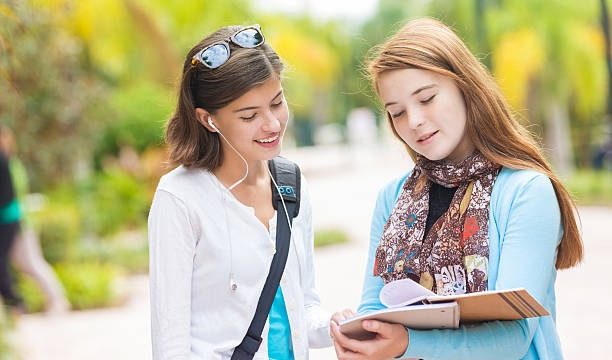
The essence of inclusive education lies in its recognition that every child has unique strengths and challenges. By cultivating an inclusive atmosphere, educators can foster an environment that encourages collaboration, empathy, and respect among students. This approach not only benefits those with disabilities but enriches the educational experience for all. When children learn together, they gain a deeper understanding of diversity, which is a crucial life skill in our increasingly interconnected world.
Life skills development is integral to this educational philosophy. Life skills encompass a range of competencies that enable individuals to manage daily challenges effectively. These skills include communication, problem-solving, critical thinking, and emotional regulation. Students who develop these skills are better equipped to face the complexities of life outside the classroom, making them more resilient and adaptable.
Creating a nurturing environment
In inclusive classrooms, teachers play a vital role in shaping a nurturing environment. They employ varied teaching strategies that cater to different learning styles and needs. For example, group projects can promote collaboration and communication, allowing students to learn from one another and build valuable interpersonal skills. Teachers can also encourage self-advocacy by allowing students to express their preferences and needs, fostering a sense of ownership over their learning journey.
Moreover, the integration of life skills into the curriculum can take many forms. Activities that promote social interaction, such as role-playing scenarios or community service projects, can help students develop empathy and teamwork. These experiences teach students to appreciate different perspectives and understand the importance of collaboration in achieving common goals.
The role of families and communities
Inclusive education extends beyond the classroom; it involves families and communities in the learning process. When parents and caregivers are actively engaged, students benefit from a more holistic educational experience. Open communication between teachers and families fosters a supportive network that can help address challenges and celebrate successes.
Communities also play a crucial role in promoting inclusive education. Local organizations can partner with schools to provide resources and support, enhancing life skills training opportunities. Workshops, mentorship programs, and extracurricular activities can all contribute to a more inclusive educational ecosystem, where students can practice their life skills in real-world contexts.
A small shift toward balance
As we consider the importance of life skills in inclusive education, it’s essential to recognize the balance between academic learning and personal development. While academic achievement is important, it should not overshadow the need for emotional and social growth. Schools that prioritize this balance create well-rounded individuals who are prepared for life beyond the classroom.
This shift in focus can be achieved through intentional curriculum design. Educators can weave life skills into academic subjects, creating a more integrated approach to learning. For instance, a science project can include teamwork and communication components, while a literature discussion can foster critical thinking and empathy through character analysis. By blending academic and life skills, students can see the relevance of their education in their everyday lives.
Empowerment through self-awareness
One of the most significant benefits of inclusive education is the emphasis on self-awareness. Students learn to recognize their strengths and areas for growth, which is critical for developing confidence and resilience. This self-awareness is a foundational life skill that empowers individuals to set personal goals and advocate for themselves.
When students understand their unique abilities, they are more likely to pursue their interests and passions. Educators can support this journey by providing opportunities for exploration and reflection. Whether through creative arts, sports, or academic challenges, students should feel encouraged to explore their potential in a safe and supportive environment.
Fostering a culture of acceptance
The journey toward inclusive education and life skills development is not without its challenges. However, fostering a culture of acceptance within schools can significantly impact students’ experiences. When acceptance is prioritized, students feel valued and respected, which enhances their overall well-being.
Teachers can model acceptance by celebrating diversity and promoting open discussions about differences. Creating a safe space for students to share their thoughts and feelings encourages dialogue and builds a sense of community. This nurturing environment allows students to learn from one another and appreciate the richness that diversity brings to their lives.
Looking toward the future
As we move forward, the importance of inclusive education and life skills development will continue to grow. The world is evolving, and the skills needed to navigate it are changing as well. By prioritizing inclusivity and equipping students with essential life skills, we are preparing them for a future filled with opportunities and challenges.
In this journey, it’s essential to remember that every small step counts. Each effort to create an inclusive classroom, engage families, and promote life skills contributes to a more equitable educational landscape. Together, we can create a world where every student feels empowered to reach their full potential, equipped with the skills necessary to thrive in all aspects of life.
Ultimately, inclusive education is about more than just teaching; it’s about nurturing individuals who can contribute positively to society. By embracing this holistic approach, we can foster a generation of learners who understand the value of diversity, collaboration, and resilience—qualities that will serve them well throughout their lives.