Supporting Students With Physical Challenges in Learning
In our ever-evolving educational landscape, fostering an inclusive environment for all students has become more essential than ever.
Among the diverse group of learners are those who face physical challenges, and it’s crucial to recognize the unique needs they bring to the classroom.
By understanding how to support these students effectively, we can create a more enriching and empowering learning experience for everyone.
A gentle understanding of physical challenges
When we think about students with physical challenges, it’s important to remember that these challenges can vary widely. Some students may use wheelchairs or crutches, while others may have conditions that affect their mobility or dexterity. Each student has their own story, and understanding these nuances is the first step toward creating an inclusive learning environment.
Empathy plays a significant role in this journey. By encouraging empathy among peers, we can foster a culture of support and kindness. It’s essential for students to recognize that everyone has their own strengths and challenges, and promoting this understanding can help dismantle any barriers that may exist, both physical and emotional.
Creating a welcoming environment
A classroom’s atmosphere can significantly impact a student’s ability to learn and engage. By ensuring that the classroom is physically accessible, educators can help all students feel welcome and valued. This includes arranging furniture to allow for easy navigation, providing adaptive tools, and ensuring that all materials are within reach.
However, accessibility goes beyond just the physical space. It involves cultivating a culture of respect and understanding. Encouraging open dialogue about differences can help students feel more at ease, allowing them to express their needs and experiences. This not only benefits those with physical challenges but enriches the entire class community.
Fostering independence and confidence
One of the most empowering things we can do for students with physical challenges is to encourage their independence. This might involve providing assistive technology or adaptive tools that allow them to complete tasks on their own. Whether it’s a specialized keyboard, voice recognition software, or other forms of technology, these resources can make a significant difference.
Moreover, nurturing a student’s confidence is just as vital. Celebrating small achievements can reinforce their self-esteem and motivate them to tackle more significant challenges. Creating opportunities for students to showcase their talents, whether in academics, arts, or sports, allows them to shine in their unique ways, transcending any physical limitations.
Collaboration with families
The role of families in supporting students with physical challenges cannot be overstated. Parents and caregivers often have invaluable insights into their child’s needs and preferences. By maintaining open lines of communication with families, educators can better understand how to tailor their approach to meet individual needs.
Regular check-ins with families can help educators stay informed about any changes in a student’s situation or needs. This collaborative approach ensures that everyone involved is on the same page and working together toward the same goal: the student’s success.
Encouraging peer support
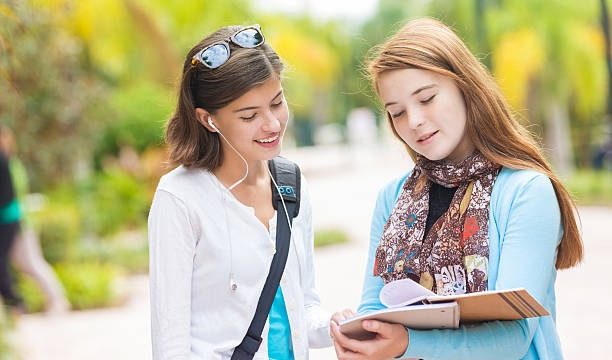
Creating a supportive peer network can significantly enhance the learning experience for students with physical challenges. Encouraging students to work together on projects or group activities can foster camaraderie and understanding. When students learn to collaborate with their peers, they not only gain academic skills but also develop valuable social skills.
Peer support can take many forms, from study groups to buddy systems. Assigning a classmate as a “buddy” can provide a sense of companionship and assistance, allowing students to navigate their school environment more comfortably. These connections can lead to lasting friendships and a more inclusive atmosphere.
Adapting teaching methods
Flexibility in teaching methods is essential when supporting students with physical challenges. Every learner is unique, and adapting lesson plans to accommodate different learning styles can be beneficial. Incorporating a variety of teaching techniques—such as visual aids, hands-on activities, and group discussions—can help engage all students, regardless of their physical abilities.
Additionally, offering alternative assessments can provide students with multiple pathways to demonstrate their knowledge. This approach not only validates their learning but also allows them to showcase their strengths in a way that feels comfortable and accessible.
Promoting self-advocacy
Empowering students to advocate for themselves is a crucial aspect of supporting their learning journey. Teaching students how to express their needs and preferences can be a game-changer. This skill not only helps them in the classroom but also prepares them for future challenges they may encounter in life.
Encouraging self-advocacy can start with simple conversations about their experiences and preferences. As they grow more comfortable sharing their thoughts, they can learn to navigate their educational environment and seek assistance when necessary. This empowerment can lead to increased confidence and a sense of ownership over their learning process.
Celebrating diversity in learning
Finally, it’s essential to celebrate the diversity of learning experiences within the classroom. Each student brings a unique perspective and set of skills, and recognizing these differences can enrich the educational experience for everyone. By highlighting various learning styles and achievements, educators can cultivate an environment that values every student’s contributions.
Creating a culture of inclusion not only benefits students with physical challenges but also enhances the learning experience for all. When we celebrate diversity and encourage collaboration, we foster a sense of belonging that can inspire students to reach their full potential.
Supporting students with physical challenges in learning is a multifaceted endeavor that requires empathy, understanding, and collaboration. By creating welcoming environments, encouraging independence, and fostering peer support, we can help all students thrive. Ultimately, when we embrace inclusivity, we not only enrich the lives of those with physical challenges but also cultivate a more compassionate and connected community.