Supporting students with communication difficulties is an essential aspect of fostering an inclusive and nurturing learning environment.
As we navigate through an increasingly interconnected world, understanding and addressing the diverse needs of students becomes even more crucial.
Communication is not merely about exchanging words; it encompasses a range of expressions, gestures, and emotions.
For some students, however, this fundamental skill can pose significant challenges.
Creating a supportive atmosphere can lead to remarkable transformations in their educational experience, enhancing not only their learning but also their overall well-being.
Understanding the landscape of communication difficulties is the first step toward providing meaningful support. These challenges can stem from various sources, including developmental delays, language impairments, or social anxiety. Each student’s experience is unique, shaped by their individual circumstances and backgrounds. By recognizing this diversity, educators and caregivers can tailor their approaches to meet the specific needs of each student.
A gentle approach to fostering communication begins with creating a safe space. This environment should encourage students to express themselves freely without fear of judgment or ridicule. Simple gestures, such as maintaining an open posture, using encouraging body language, and offering a patient ear, can make a world of difference. When students feel valued and understood, they are more likely to engage and participate actively in their learning journey.
Listening actively is another vital component of supporting students with communication difficulties. This means not only hearing their words but also being attuned to their non-verbal cues. Sometimes, a student may struggle to articulate their thoughts verbally, yet their body language or facial expressions can convey a wealth of information. By paying close attention, educators can gain insights into what a student may be trying to communicate, allowing for a deeper connection and more effective support.
Incorporating various forms of communication can also enhance the learning experience. Visual aids, such as pictures or diagrams, can help bridge the gap for students who find verbal communication challenging. Similarly, using technology, like speech-to-text applications or communication boards, can empower students to express themselves more comfortably. By embracing a multi-faceted approach, educators can cater to different learning styles and preferences, ensuring that every student has the opportunity to shine.
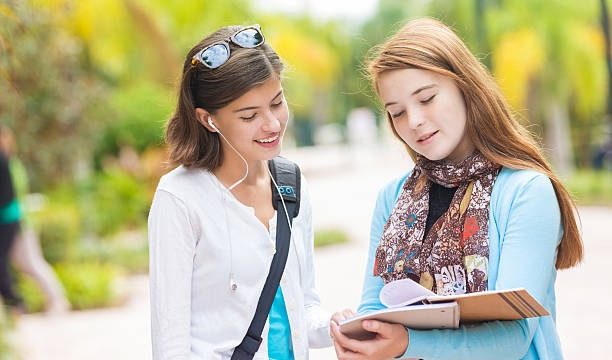
Encouraging peer interactions is another powerful way to support students with communication difficulties. Creating opportunities for collaboration and teamwork can help build social skills while also fostering a sense of belonging. Pairing students with diverse abilities can encourage empathy and understanding, allowing them to learn from one another. These interactions can be structured around group projects or even simple classroom discussions, where each student is given the chance to contribute in their own way.
As we consider ways to support these students, it’s essential to recognize the role of families. Open lines of communication between educators and families can create a cohesive support system. Regular updates on a student’s progress and challenges can help parents feel more engaged in their child’s education. Additionally, providing resources for families to support communication skills at home can empower them to reinforce learning in a comfortable environment.
Creating a culture of encouragement and positivity can also significantly impact students facing communication difficulties. Celebrating small achievements, no matter how minor they may seem, can boost a student’s confidence and motivation. Simple affirmations, like acknowledging a successful attempt to express themselves or applauding their efforts in group activities, can create a ripple effect of positivity.
Incorporating mindfulness practices into the classroom can also provide a calming influence. Techniques such as deep breathing, guided imagery, or even simple stretching exercises can help reduce anxiety and create a more focused learning environment. When students feel centered and relaxed, they are often more open to engaging in communication, whether verbal or non-verbal.
Teacher training is another crucial element in supporting students with communication difficulties. Providing educators with the tools and knowledge they need to recognize and address these challenges can lead to more effective teaching strategies. Professional development opportunities focused on communication skills, inclusive practices, and understanding individual needs can empower educators to make a lasting impact on their students’ lives.
As we think about the broader community, fostering awareness and understanding of communication difficulties can lead to a more inclusive society. By sharing stories and experiences, we can break down barriers and reduce stigma. Encouraging open dialogue about these challenges can create a ripple effect, inspiring positive change not only in schools but also in the larger community.
Ultimately, supporting students with communication difficulties is about fostering connection. It’s about recognizing the beauty in diverse forms of expression and creating an environment where every student feels valued. When we prioritize understanding and empathy, we open the door to a world of possibilities for these students.
In this journey, patience is key. Progress may be gradual, and setbacks may occur, but each step forward is a testament to resilience. As we invest in the potential of every student, we contribute to a more compassionate and inclusive future. By nurturing their voices, we not only empower them but also enrich our communities, creating a tapestry of experiences that is vibrant, diverse, and truly human.
In the end, supporting students with communication difficulties is not just about addressing challenges; it’s about celebrating the unique contributions they bring to our world. Together, we can create a learning environment where every voice matters and every student can thrive.