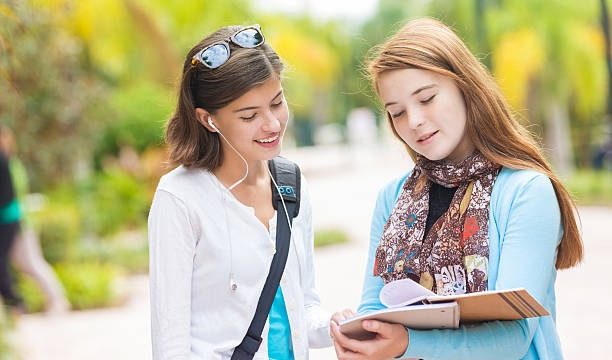
In today’s diverse educational landscape, supporting students with varied learning needs has become an essential part of fostering an inclusive environment.
Each child is unique, bringing their own set of strengths and challenges to the classroom.
To create a nurturing atmosphere for all students, it is crucial to approach learning with empathy, understanding, and creativity.
The journey of education is not a one-size-fits-all experience. Some students may excel in traditional learning environments, while others may require different strategies or resources to thrive. Recognizing these differences is the first step toward supporting all learners effectively. By embracing a mindset that values diversity, educators and parents can work together to create a foundation where every child feels seen and valued.
A small shift toward balance can make a world of difference. For instance, incorporating various teaching methods can engage students with different learning styles. Visual learners may benefit from diagrams and videos, while auditory learners might thrive with discussions and storytelling. Kinesthetic learners, who grasp concepts better through movement, may find hands-on activities particularly helpful. By blending these approaches, teachers can create a dynamic learning environment that encourages participation from all students.
In addition to varied instructional strategies, fostering a sense of belonging is vital. When students feel connected to their peers and teachers, they are more likely to engage in the learning process. Simple practices like group activities, peer mentorship, and collaborative projects can help build relationships and promote inclusivity. When students work together, they learn not only from the curriculum but also from each other, cultivating empathy and understanding along the way.
Creating a supportive classroom environment often involves understanding the individual needs of students. This understanding can be deepened through open communication between teachers, parents, and students themselves. Regular check-ins can provide insight into a student’s progress and any challenges they may face. This dialogue allows educators to adjust their teaching methods or provide additional resources when necessary, ensuring that each student has the support they need to succeed.
In some cases, students may benefit from additional resources, such as specialized learning tools or technology. Assistive technologies, for instance, can empower students with disabilities by providing alternative ways to access information and complete assignments. These tools can level the playing field, allowing all students to engage with the material in a way that suits them best. Whether through speech-to-text software or interactive learning apps, technology can bridge gaps and enhance the educational experience.
Another important aspect of supporting diverse learning needs is nurturing a growth mindset. Encouraging students to view challenges as opportunities for growth can be transformative. This mindset fosters resilience and encourages students to embrace their unique learning journeys. Celebrating small victories, no matter how minor they may seem, reinforces the idea that progress is a continuous process and that every step forward is valuable.
In the realm of social-emotional learning, creating a safe space for students to express their feelings and concerns is essential. Emotional well-being directly impacts academic performance, and cultivating a supportive atmosphere can help students manage stress and anxiety. Incorporating mindfulness practices, such as breathing exercises or quiet reflection time, can provide students with tools to navigate their emotions and enhance their focus in the classroom.
Community involvement also plays a pivotal role in supporting students with diverse learning needs. Schools that engage with local organizations and resources can create a network of support that extends beyond the classroom. Workshops, seminars, and community events can provide parents and educators with valuable information about how to best support students. When the community comes together, it amplifies the resources available and fosters a culture of collaboration.
As we strive to support students with diverse learning needs, it is essential to remember that every child’s journey is unique. Patience and flexibility are key. What works for one student may not work for another, and that is perfectly okay. Acknowledging this diversity not only enriches the learning experience but also prepares students for a world that is inherently varied and complex.
Ultimately, the goal is to cultivate an environment where all students feel empowered to learn and grow. By fostering inclusivity, embracing diverse teaching methods, and nurturing emotional well-being, we can create a vibrant educational landscape that celebrates each child’s individuality. Supporting students with diverse learning needs is more than just an educational responsibility; it is an invitation to create a richer, more compassionate world.
As we reflect on how to best support our students, let us remember that education is a partnership. By working together—educators, parents, and the community—we can create a nurturing environment that not only embraces diversity but also champions it. In this shared journey, every small effort contributes to a greater impact, ensuring that every student has the opportunity to shine.