Supporting students with physical limitations is an enriching journey that requires a blend of empathy, creativity, and understanding.
As we navigate through this topic, it’s essential to recognize that every student is unique, with their own set of strengths and challenges.
Creating an environment where they can thrive not only benefits them but also enriches the entire educational community.
Understanding the landscape of physical limitations is the first step toward fostering a supportive atmosphere. These limitations can vary widely, from mobility issues to chronic health conditions, and they can affect a student’s ability to engage in traditional learning environments. However, with the right support and accommodations, students can flourish and achieve their educational goals.
A small shift toward balance often begins with awareness. Teachers, parents, and peers play crucial roles in this process. By fostering an inclusive mindset, everyone can contribute to a culture where differences are not only accepted but celebrated. This shift can start with simple conversations, where we listen to students’ experiences and understand their needs. Creating a safe space for dialogue encourages students to express their feelings and challenges, empowering them to take an active role in their education.
In the classroom, small adjustments can make a significant impact. For instance, ensuring that physical spaces are accessible is vital. This might involve arranging desks to accommodate wheelchairs or providing alternative seating options that allow for comfort and ease of movement. Thoughtful classroom design enhances not just accessibility but also student engagement. When students feel comfortable in their environment, they are more likely to participate actively in discussions and collaborative projects.
Incorporating technology is another effective way to support students with physical limitations. Assistive technologies can bridge gaps and provide equal opportunities for learning. Tools like speech-to-text software or adaptive devices can make a world of difference, allowing students to express themselves and complete assignments with greater ease. Embracing these technologies not only supports students with physical limitations but also enriches the learning experience for everyone.
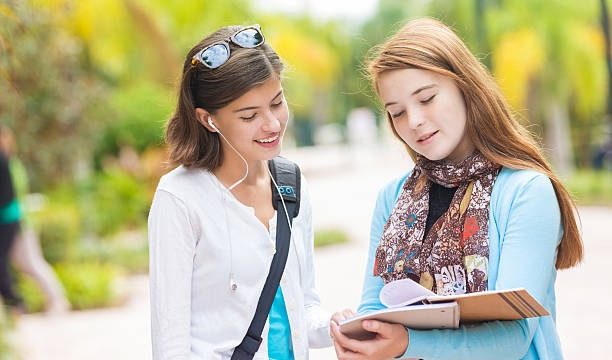
Encouraging peer relationships is equally important in fostering a supportive environment. Students thrive in a community where they feel connected and valued. Teachers and parents can facilitate this by promoting group activities that encourage collaboration and understanding. By pairing students with diverse abilities in projects, we can cultivate empathy and teamwork, helping all students to appreciate the unique contributions of their peers.
It’s also essential to recognize the emotional aspect of supporting students with physical limitations. Many students may face feelings of isolation or frustration stemming from their experiences. Providing access to counseling services or mentorship programs can be invaluable. These resources offer students a chance to express their emotions and develop coping strategies. When students know they have a support system in place, they are more likely to persevere through challenges and remain engaged in their education.
Building a strong relationship with families is another vital component of supporting students. Parents and guardians can provide insights into their children’s needs and preferences. Open lines of communication between schools and families foster a collaborative approach to education. Regular check-ins, whether through parent-teacher meetings or informal conversations, can help ensure that everyone is on the same page and working toward common goals.
Celebrating achievements, no matter how small, can also be a powerful motivator. Recognizing milestones helps build confidence and encourages students to set and pursue new goals. This could be as simple as acknowledging a student’s progress in class or celebrating their participation in extracurricular activities. These moments of recognition contribute to a positive self-image and reinforce the idea that every effort matters.
As we think about the broader educational landscape, advocating for policy changes can further enhance support for students with physical limitations. Schools should strive to implement inclusive practices at all levels. This can include training staff on best practices for accommodating diverse needs and ensuring that resources are allocated to support these initiatives. When educational institutions prioritize inclusivity, they set a standard that resonates throughout the entire community.
It’s essential to remember that supporting students with physical limitations is not just about addressing challenges; it’s about embracing the richness of diversity. Each student brings a unique perspective and set of experiences to the table. By fostering an inclusive environment, we not only support those with physical limitations but also cultivate a culture of acceptance and understanding that benefits all students.
As we continue to explore ways to support students, let’s approach this journey with compassion and an open heart. Encourage dialogue, embrace creativity, and celebrate the individuality of each student. By doing so, we can create a nurturing educational experience that empowers every learner to reach their full potential, regardless of their physical limitations.
In the end, it’s about building a community where everyone feels valued and supported. Together, we can create an educational landscape that reflects the beauty of diversity and the strength of unity. This is a journey worth taking, and each step we take brings us closer to a more inclusive future for all students.