In a world where information is abundant yet attention spans can be fleeting, the importance of active learning has never been more apparent.
One particularly effective way to foster this approach is through group projects.
These collaborative experiences not only enhance understanding but also cultivate essential life skills.
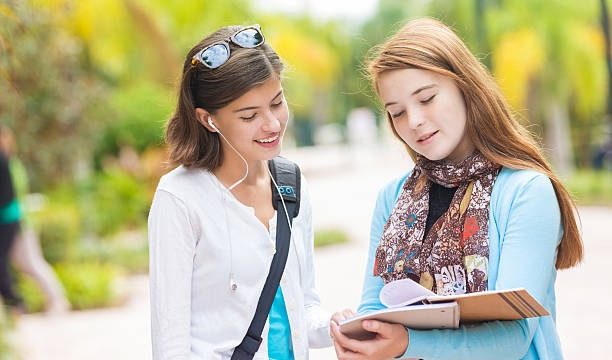
By blending creativity with teamwork, group projects encourage students to engage with their peers, explore diverse perspectives, and deepen their knowledge in a supportive environment.
The beauty of group projects lies in their ability to create a dynamic learning atmosphere. When students come together to tackle a shared goal, they step beyond the confines of traditional instruction. Each participant brings their unique strengths and insights to the table, leading to a richer, more varied learning experience. This collaborative spirit helps to break down barriers, making learning more enjoyable and less intimidating.
As students work together, they are encouraged to communicate openly. This interaction fosters a sense of community and belonging, vital components for effective learning. When individuals feel comfortable expressing their ideas and concerns, they are more likely to contribute actively. The simple act of discussing concepts with peers can clarify misunderstandings and spark new ideas, enhancing the learning experience.
Group projects also promote critical thinking. In a group setting, students must navigate different viewpoints and approaches. This process encourages them to analyze and evaluate information more deeply. They learn to ask questions, challenge assumptions, and defend their perspectives. Such skills are invaluable, not only in academics but in everyday life. The ability to think critically and communicate effectively is essential in today’s complex world.
Moreover, the collaborative nature of group projects helps develop essential interpersonal skills. Working alongside others requires patience, empathy, and adaptability. Students learn to listen actively and respect differing opinions, which is a cornerstone of effective teamwork. These soft skills are often overlooked in traditional learning environments but are crucial for success in both personal and professional settings.
A small shift toward balance can profoundly impact how students view their learning journey. Instead of seeing education as a solitary pursuit, group projects encourage a more communal approach. This shift not only enhances academic performance but also nurtures lasting friendships. The bonds formed during these collaborative efforts often extend beyond the classroom, enriching students’ social lives and providing a support network that can last a lifetime.
Incorporating group projects into the curriculum can also spark creativity. When students collaborate, they are often more willing to think outside the box. The synergy of diverse minds can lead to innovative solutions and fresh perspectives that might not emerge in isolation. This creative energy can transform a mundane assignment into an exciting exploration of ideas, making learning feel more relevant and engaging.
As educators and mentors, it is essential to guide students in effectively managing group dynamics. Teaching them how to allocate roles, set goals, and resolve conflicts can significantly enhance the group project experience. Providing a framework for collaboration can help students feel more confident in their contributions, ultimately leading to more successful outcomes.
Equally important is the role of reflection in the learning process. After completing a group project, encouraging students to discuss what went well and what could be improved can solidify their learning. This reflective practice helps them recognize their growth and areas for further development. By fostering a culture of continuous improvement, students learn to embrace challenges rather than shy away from them.
In addition to academic benefits, group projects can have a positive impact on mental well-being. The support and camaraderie found in collaborative learning can alleviate stress and anxiety associated with academic pressures. When students share their challenges and successes, they realize they are not alone in their struggles. This sense of solidarity can be incredibly comforting, reminding them that learning is a shared journey.
As we consider the future of education, it is clear that active learning through group projects will play a vital role. The ability to collaborate, communicate, and think critically will be essential skills for the next generation. By encouraging students to engage with one another in meaningful ways, we are preparing them for a world that increasingly values connection and cooperation.
Ultimately, embracing the power of group projects can transform the educational experience. By fostering an environment that prioritizes collaboration, creativity, and communication, we empower students to take ownership of their learning. This not only enhances their academic performance but also enriches their lives in profound ways.
As we continue to navigate the complexities of learning in a rapidly changing world, let us remember the value of coming together. Group projects are more than just assignments; they are opportunities for growth, connection, and discovery. By encouraging active learning through these collaborative efforts, we are nurturing not only knowledgeable individuals but also compassionate and capable members of society.
In the end, the goal of education is not merely to impart knowledge but to inspire a love for learning that lasts a lifetime. Through group projects, we can spark that passion, creating a vibrant community of learners ready to face the challenges of tomorrow with confidence and enthusiasm.