In the vibrant world of preschool learning, curiosity is the heart that beats at the center of every child’s experience. As young minds navigate their early years, the exploration of their surroundings becomes a joyful adventure. This is a time when questions arise like wildflowers in spring, and educators and parents alike have the beautiful opportunity to nurture that innate sense of wonder.
Curiosity is a natural instinct in children, a spark that drives them to explore, ask questions, and seek out new experiences. It is vital for their cognitive, social, and emotional development. When we celebrate curiosity in preschool learning, we are not just fostering a love for knowledge; we are empowering children to become lifelong learners. This journey toward understanding the world around them is both enriching and essential.
Creating an environment that encourages curiosity can be as simple as allowing children the space to ask questions and explore their interests. When children feel safe and supported, they are more likely to express their thoughts and ideas. This is where the role of educators and caregivers becomes crucial. By providing an open and inviting atmosphere, adults can guide children’s natural curiosity into meaningful learning experiences.
The classroom itself can be a canvas for exploration. Imagine a space filled with colorful materials, engaging books, and interactive activities that invite children to touch, feel, and discover. A well-organized learning environment allows children to move around freely and choose activities that resonate with their interests. Whether they are building with blocks, painting a masterpiece, or listening to a story, each experience offers them a chance to learn something new.
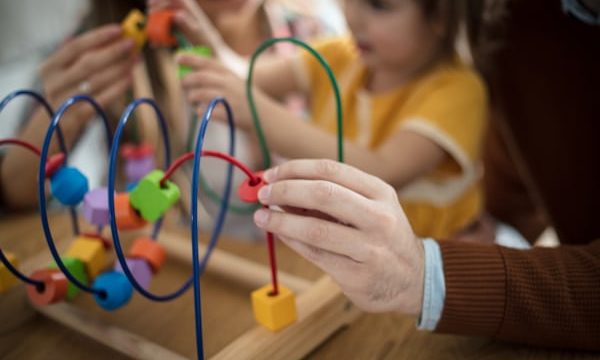
Hands-on activities are particularly effective in nurturing curiosity. When children engage in tactile experiences, they are more likely to retain information and develop critical thinking skills. Simple experiments, such as mixing colors or exploring textures, can ignite a sense of wonder that encourages them to ask, “What happens if…” or “Why does this work?” These questions are the building blocks of scientific inquiry and problem-solving.
Another beautiful aspect of preschool learning is the integration of nature into the curriculum. Outdoor exploration can be a powerful tool for sparking curiosity. A walk in the park, a visit to a garden, or simply playing in the backyard can expose children to the wonders of the natural world. Observing insects, examining plants, or watching clouds drift by can lead to spontaneous discussions about life cycles, weather, and ecosystems. Such moments not only foster curiosity but also instill a sense of connection to the environment.
Storytelling is another vital component of promoting curiosity in young learners. Through narratives, children can explore diverse cultures, experiences, and ideas. Reading together creates a shared experience that encourages questions and discussions. When children hear about characters embarking on adventures or facing challenges, they can relate those stories to their own lives, prompting them to think critically about their own experiences and the world around them.
In addition to fostering curiosity through exploration and storytelling, it’s important to encourage creativity. Art and music can be powerful outlets for self-expression and imagination. Providing opportunities for children to create, whether through painting, dancing, or playing instruments, allows them to communicate their thoughts and feelings in unique ways. This creative freedom nurtures their curiosity and helps them discover new interests and talents.
As parents and educators, it’s essential to model a curious mindset. When adults demonstrate their own curiosity—by asking questions, seeking new experiences, and expressing enthusiasm for learning—children are more likely to mirror that behavior. Encouraging conversations about what adults are curious about can inspire children to share their own wonders. This creates a dynamic learning environment where curiosity thrives.
In the delicate balance of nurturing curiosity, it’s crucial to recognize that not every question has a straightforward answer. Sometimes, the beauty of curiosity lies in the journey of discovery rather than the destination of finding a definitive answer. Embracing the unknown allows children to develop resilience and adaptability, skills that will serve them well throughout their lives.
As we reflect on the importance of curiosity in preschool learning, it’s clear that fostering this trait is not just about academic achievement. It’s about nurturing well-rounded individuals who are confident, creative, and compassionate. When children are encouraged to explore their interests, they develop a sense of agency that empowers them to take charge of their own learning.
In this journey, it is essential to remember that every child is unique. Each one brings their own interests, questions, and perspectives to the table. By recognizing and celebrating these differences, we can create a rich tapestry of learning experiences that cater to diverse curiosities. This celebration of individuality not only fosters a love for learning but also cultivates empathy and understanding among peers.
Ultimately, preschool learning that celebrates curiosity is about creating a foundation for lifelong exploration and growth. By nurturing this innate desire to learn, we are equipping children with the tools they need to navigate an ever-changing world. It is through curiosity that they will discover their passions, challenge assumptions, and innovate for the future.
In a world filled with information and experiences, the ability to ask questions and seek answers is a gift that should be cherished. As we support our youngest learners in their quest for knowledge, let us celebrate the curiosity that makes each day an adventure. After all, it is in these moments of exploration and discovery that we find the true joy of learning.