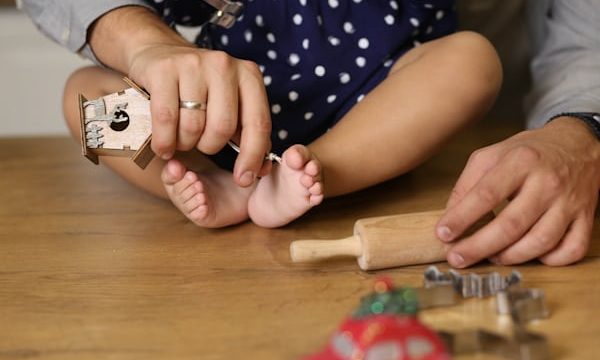
In the vibrant world of preschool, every moment is a potential learning experience wrapped in the joy of play. Children’s laughter and boundless energy create an environment where discovery thrives. Meaningful play is not just a delightful way for children to spend their time; it is a crucial element in their development, shaping their cognitive, emotional, and social skills. As caregivers and educators, recognizing these moments can illuminate the path of learning that unfolds naturally through play.
Play is often seen as a simple pastime, but for young children, it is their primary means of exploring the world. Through play, they engage with their surroundings, experiment with new ideas, and develop essential skills. When children immerse themselves in play, they are not merely having fun; they are learning how to think critically, solve problems, and interact with others. These moments are rich with opportunities for growth that can be nurtured and celebrated.
One of the most beautiful aspects of meaningful play is its ability to foster creativity. In a setting filled with blocks, art supplies, or even a simple cardboard box, children can let their imaginations run wild. A box might become a spaceship, a castle, or a cozy home for stuffed animals. This imaginative play encourages children to think outside the box—literally and figuratively. As they create their own worlds, they are not only expressing their thoughts and feelings but also learning to communicate their ideas effectively to their peers.
Social skills are another vital area that flourishes through meaningful play. When children engage in cooperative play, they learn the importance of sharing, negotiating, and working together toward a common goal. Whether it’s building a tower with blocks or playing a game of pretend, these interactions help children understand the dynamics of relationships. They learn to listen, empathize, and resolve conflicts, all of which are foundational skills that will serve them well throughout life.
The emotional benefits of play are equally significant. As children navigate various scenarios during play, they encounter a range of emotions. They might feel joy when they succeed in a task or frustration when things don’t go as planned. These experiences allow them to explore their feelings in a safe environment. Through play, children develop resilience—the ability to bounce back from setbacks and try again. This emotional intelligence is crucial for their overall well-being and future success.
Incorporating elements of meaningful play into daily routines doesn’t have to be complicated. Simple activities can become rich learning experiences with a little creativity. For instance, turning a trip to the grocery store into a scavenger hunt can spark curiosity and engagement. As children search for items on a list, they practice their counting skills while also learning about different foods and their categories. Such playful learning moments can transform ordinary outings into delightful adventures filled with discovery.
Another effective way to encourage meaningful play is by creating an inviting space for exploration. A designated area filled with various resources—such as art supplies, building materials, and books—can inspire children to initiate their own play. The key is to provide an environment that is flexible and responsive to their interests, allowing them to dive deep into their imaginative pursuits. When children feel empowered to choose how they play, their engagement and enthusiasm soar.
As caregivers, it’s essential to observe and engage with children during their play. Rather than directing their activities, consider joining in as a partner. This approach not only strengthens bonds but also opens up opportunities for deeper conversations about their experiences. Asking open-ended questions can prompt children to think critically about their play. For example, “What are you building?” or “How does that make you feel?” can lead to meaningful discussions that enhance their learning.
The beauty of meaningful play is that it is inherently joyful. When children are allowed to explore and express themselves freely, they often find pure happiness in the process. This joy is contagious and can inspire adults to reconnect with their own sense of wonder. Taking time to engage in playful activities—whether it’s drawing, playing games, or even cooking together—can strengthen relationships and create lasting memories.
While the world around us often emphasizes structured learning and academic achievement, it’s important to remember that play is a vital component of early childhood education. It is not merely a break from learning; it is learning in its most organic form. By prioritizing meaningful play, we give children the gift of exploration and discovery, laying a strong foundation for their future.
In a fast-paced world where the pressure to succeed can be overwhelming, embracing the moments of play can be a small yet significant shift toward balance. It encourages a nurturing environment where children can thrive, learn, and grow at their own pace. As we cultivate spaces for meaningful play, we are not just fostering skills; we are nurturing joyful, curious, and resilient individuals ready to take on the world.
Ultimately, every moment spent in the spirit of play is a moment of learning. Whether it’s through building, creating, or simply imagining, each experience contributes to a child’s development in profound ways. As we celebrate these moments, we acknowledge the beauty of childhood and the importance of play as a pathway to learning. Let us cherish and cultivate these precious experiences, for they are the building blocks of a bright future.