In recent years, the conversation around inclusive education has gained significant traction.
Educators, parents, and students alike are becoming increasingly aware of the importance of fostering an environment where everyone can thrive, regardless of their individual challenges or differences.
One of the most heartwarming and effective strategies emerging within this framework is peer mentoring.
This approach not only enriches the learning experience but also cultivates a sense of community and belonging among students.
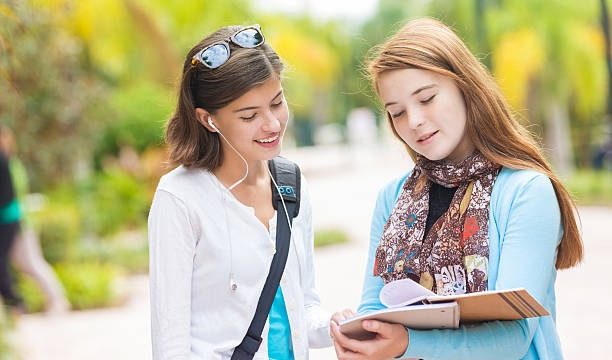
Peer mentoring in inclusive education involves pairing students together, allowing them to support one another in various aspects of their academic and social lives. This mutual relationship can take many forms, from academic assistance in subjects like math or reading to emotional support during challenging times. The beauty of peer mentoring lies in its simplicity; it harnesses the natural connections that students form with one another, creating a nurturing environment where everyone can learn from each other.
A gentle connection through shared experiences
At its core, peer mentoring thrives on the idea that students often relate to one another in ways that adults may not fully understand. A student who struggles with anxiety may find comfort in the presence of a peer who has faced similar challenges. When students share their experiences, they foster an atmosphere of empathy and understanding that is difficult to replicate in a traditional classroom setting. This connection can help break down barriers and build friendships that enhance the overall educational experience.
Moreover, peer mentoring encourages students to embrace diversity. In a classroom filled with varied backgrounds and abilities, students learn to appreciate each other’s strengths and differences. Through mentorship, they can explore new perspectives and develop a deeper understanding of their peers’ experiences. This mutual growth not only benefits the individuals involved but also enriches the entire classroom dynamic, promoting a culture of respect and acceptance.
Nurturing growth and self-confidence
One of the remarkable aspects of peer mentoring is its ability to build self-confidence in both mentors and mentees. For students who take on the role of mentor, the experience can be transformative. They gain leadership skills, learn to communicate effectively, and develop a sense of responsibility. This newfound confidence can extend beyond the classroom, influencing various aspects of their lives. They learn that they have something valuable to offer, and this realization can spark a desire for personal growth.
On the other hand, mentees often find their self-esteem blossoming as they receive support from their peers. When a student feels understood and valued, it can have a profound impact on their academic performance and social interactions. Peer mentoring allows them to ask questions and seek help without the fear of judgment, creating an environment where they feel safe to express themselves. This emotional security can lead to significant improvements in their overall well-being.
Creating a culture of collaboration
Incorporating peer mentoring into the educational framework fosters a collaborative culture that benefits everyone involved. When students work together, they learn the importance of teamwork and cooperation. They discover that success is not solely an individual achievement but often a collective effort. This sense of collaboration extends beyond academics; it cultivates strong social bonds and encourages students to support one another in various aspects of life.
Teachers play a vital role in facilitating this culture. By encouraging peer mentoring, they can create opportunities for students to engage with one another in meaningful ways. This can be achieved through structured activities, group projects, or even informal study sessions. By providing the right environment and resources, educators can help students form connections that will last a lifetime.
A small shift toward balance
As we navigate the complexities of education, it is essential to recognize that peer mentoring is not just a tool for academic success; it is a pathway toward emotional and social well-being. By prioritizing relationships among students, we create a more balanced educational experience. This shift encourages students to see one another as allies rather than competitors, fostering a sense of community that can positively impact their lives.
In an inclusive educational setting, the benefits of peer mentoring extend beyond the classroom walls. The skills developed through these relationships—such as empathy, communication, and problem-solving—are invaluable as students transition into adulthood. They carry these lessons with them, shaping their interactions in the workplace and their personal lives. The seeds of compassion and understanding sown in the classroom can lead to a more harmonious society.
Looking toward the future
As we consider the future of education, it is clear that peer mentoring will play a crucial role in shaping inclusive practices. The need for supportive, understanding environments is more pressing than ever. By embracing the power of peer relationships, we can create a brighter future for all students, one that values diversity and fosters growth.
In conclusion, peer mentoring in inclusive education is a beautiful tapestry woven from the threads of connection, understanding, and mutual support. It highlights the importance of collaboration and empathy in a world that often emphasizes individual achievement. By nurturing these relationships, we can foster a sense of belonging that enriches the educational experience and prepares students for a life filled with compassion and cooperation. As we continue to explore new ways to support our learners, let us remember the simple yet profound impact of peer mentorship—a gentle reminder that we are all in this together.