Supporting students with hearing impairments is a journey that invites empathy, understanding, and a willingness to adapt.
In our increasingly diverse classrooms, fostering an inclusive environment is not just beneficial for students with hearing challenges; it enriches the entire learning experience for everyone involved.
Here, we explore gentle ways to support these students, ensuring they feel valued and empowered.
Creating a welcoming atmosphere begins with awareness. Understanding that hearing impairments can vary widely in nature and severity is essential. Some students may have partial hearing loss, while others may be completely deaf. Each individual will have their own preferences and needs. Engaging in conversations with students and their families about their specific requirements can help build a foundation of trust and respect. This open dialogue allows educators to tailor their approaches, ensuring that each student receives the support they need to thrive.
In the classroom, visual aids can play a crucial role. Utilizing resources such as written instructions, diagrams, and videos with captions can make lessons more accessible. Even simple gestures, like facing the class while speaking, can dramatically improve communication. This small shift encourages a connection that transcends spoken words, allowing students with hearing impairments to engage more fully in discussions and activities.
Technology also offers a wealth of tools designed to enhance learning for students with hearing challenges. From hearing aids to FM systems, these devices can amplify sound and reduce background noise, creating a clearer auditory environment. Additionally, captioning services for videos and speech-to-text apps can bridge the gap in communication, making it easier for students to follow along with lessons. Embracing these technologies not only supports students with hearing impairments but also introduces the entire class to innovative ways of learning.
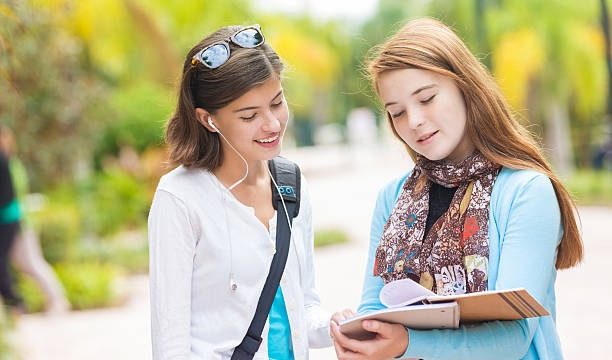
A key component of supporting these students is fostering social connections. Peer relationships can provide immense benefits, both academically and emotionally. Encouraging group work and collaborative projects allows students to engage with one another in meaningful ways. It’s important to cultivate an environment where all students feel comfortable expressing themselves, regardless of their hearing abilities. Creating buddy systems or mentorship opportunities can also help students with hearing impairments feel more integrated into the classroom community.
Incorporating sign language into the curriculum, even at a basic level, can be a wonderful way to promote inclusivity. Teaching simple signs can empower all students to communicate more effectively with their peers who have hearing impairments. This not only enhances interaction but also fosters a sense of camaraderie and respect among classmates. It is a gentle reminder that communication is a shared responsibility, and every effort counts.
While it’s vital to focus on academic success, the emotional well-being of students should never be overlooked. Students with hearing impairments may sometimes feel isolated or misunderstood, which can affect their confidence and self-esteem. Regular check-ins can provide a safe space for them to express their feelings and experiences. Simple gestures, like asking how they are feeling about their school day or encouraging them to share their thoughts, can go a long way in making them feel seen and heard.
In addition, incorporating social-emotional learning into the curriculum can help all students develop empathy and understanding toward their peers with hearing impairments. Discussions around diversity, inclusion, and the importance of kindness can create a culture of support and acceptance within the classroom. When students understand the challenges their peers face, they are more likely to offer support and build meaningful connections.
Encouraging extracurricular activities can also be beneficial. Whether it’s joining a club, participating in sports, or engaging in the arts, these activities provide opportunities for students to showcase their talents and interests outside of the academic realm. When students with hearing impairments participate in these programs, they can forge friendships, enhance their skills, and gain confidence. These experiences contribute to a more well-rounded educational journey, helping all students find their place in the school community.
Involving the entire school community is essential for fostering an inclusive environment. Hosting workshops or informational sessions for teachers, staff, and parents can help raise awareness about hearing impairments and the ways to support affected students. Sharing resources and strategies can empower everyone to contribute to a more accommodating atmosphere. When the community comes together to support students with hearing impairments, it reinforces the message that inclusion is a shared value.
As we navigate the complexities of education, it’s important to remember that supporting students with hearing impairments is not about finding a perfect solution but rather about making incremental changes that foster understanding and acceptance. Each small step taken can create a ripple effect, enhancing the learning experience for all students.
Ultimately, the goal is to cultivate an environment where every student feels valued and empowered to reach their full potential. By embracing empathy, open communication, and a commitment to inclusivity, we can create classrooms that celebrate diversity in all its forms. Supporting students with hearing impairments enriches not only their educational experience but also the lives of their peers, teachers, and the entire school community. It is through these connections and shared experiences that we can truly thrive together.
In this journey, patience and compassion are key. By remaining open-minded and receptive to the needs of students with hearing impairments, we can foster a sense of belonging that resonates far beyond the classroom walls. Together, we can build a brighter, more inclusive future for all learners.