In our fast-paced world, understanding complex information can sometimes feel like a daunting task.
Whether in a classroom setting or during a corporate training session, the ability to absorb and comprehend lessons is crucial for personal and professional growth.
Fortunately, there are various tools available that can significantly enhance our understanding during lessons, making the learning experience more enjoyable and effective.
A gentle shift toward engagement
One of the simplest yet most effective tools to improve understanding is the use of interactive learning methods. Engaging with the material actively can transform lessons from passive listening to vibrant exchanges of ideas. Tools such as interactive presentations and digital whiteboards allow participants to contribute their thoughts and ask questions in real-time. This not only makes the lesson feel more personal but also encourages a sense of community among learners.
Imagine being in a classroom or a meeting where you can share your insights or clarify doubts as they arise. This immediate interaction fosters a deeper connection to the subject matter and can illuminate concepts that might otherwise remain obscured. The synergy created through collective participation can lead to richer discussions and a more profound grasp of the material.
Visual aids as a pathway to clarity
Another powerful tool for enhancing understanding is the use of visual aids. Infographics, charts, and diagrams can translate complex information into digestible formats, making it easier to grasp intricate ideas. When a lesson is accompanied by visual elements, it engages more of our senses, helping to reinforce learning.
For instance, a historical timeline displayed visually can help students see the relationships between events more clearly than a lecture alone. Similarly, a diagram illustrating a scientific process can break down complicated steps into simpler parts. Visual aids serve not just as supplementary materials but as essential components that can illuminate the path to understanding.
The art of storytelling
Storytelling is an age-old method that has proven effective in conveying lessons and ideas. When information is presented in the form of a narrative, it becomes relatable and easier to remember. Stories create emotional connections, allowing listeners to engage more deeply with the material.
Incorporating anecdotes or case studies into lessons can provide context, making abstract concepts feel more tangible. For example, a lesson on environmental science might include a story about a community that successfully implemented sustainable practices. This narrative not only informs but also inspires, demonstrating the real-world implications of the subject matter.
The power of technology
In today’s digital age, technology offers a wealth of tools designed to enhance learning. Online platforms and applications can provide interactive exercises, quizzes, and simulations that allow learners to practice concepts in a safe environment. These tools can cater to various learning styles, ensuring that everyone has the opportunity to engage with the material in a way that resonates with them.
Furthermore, educational apps can offer a flexible learning experience, allowing individuals to explore topics at their own pace. This self-directed approach can lead to a deeper understanding, as learners have the freedom to revisit challenging concepts and reinforce their knowledge.
Creating a supportive environment
The atmosphere in which learning takes place can significantly impact understanding. A supportive environment encourages open dialogue and the sharing of ideas. When learners feel comfortable expressing their thoughts and asking questions, it creates a culture of curiosity and exploration.
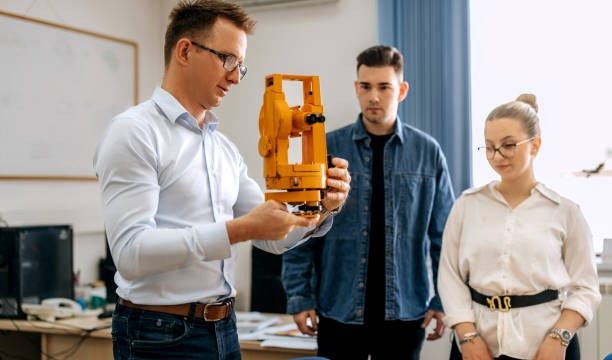
Instructors can foster this environment by being approachable and responsive to the needs of their students. Simple gestures, such as inviting questions and providing constructive feedback, can make a world of difference. This nurturing approach not only enhances understanding but also builds confidence in learners, empowering them to take charge of their educational journey.
Mindfulness as a tool for focus
Incorporating mindfulness practices into lessons can also enhance understanding. Mindfulness encourages individuals to be present and fully engaged in the moment. When learners practice mindfulness, they can reduce distractions and increase their capacity to absorb information.
Even brief moments of guided breathing or reflection before diving into a lesson can help cultivate a focused mindset. This clarity can lead to deeper comprehension and retention of the material being covered, creating a more enriching learning experience.
The value of collaboration
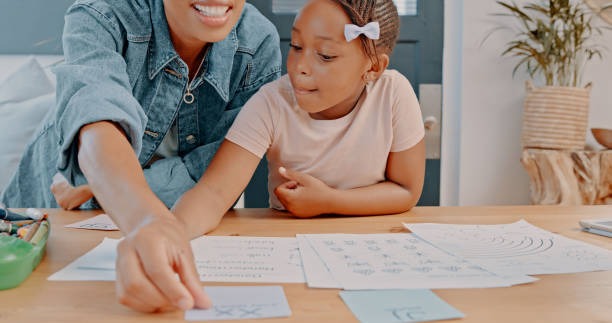
Collaboration is another essential tool that can improve understanding during lessons. Working together in small groups allows learners to share perspectives and tackle challenges collectively. This collaborative approach not only enhances comprehension but also builds essential teamwork skills.
When learners discuss concepts with one another, they often uncover insights that they might not have discovered independently. The exchange of ideas can spark new thoughts and foster a deeper understanding of the material. Moreover, collaboration can make learning feel more enjoyable, as participants share in the journey of discovery.
Reflecting on the learning process
Finally, taking time to reflect on the learning process can be incredibly beneficial. Reflection encourages individuals to consider what they have learned, how they have learned it, and how they can apply this knowledge in the future. This practice can solidify understanding and help identify areas that may need further exploration.
Whether through journaling, group discussions, or one-on-one conversations, reflection creates an opportunity to synthesize information and draw meaningful connections. It transforms lessons into lasting knowledge, paving the way for continued growth and learning.
In conclusion, the journey toward improved understanding during lessons is enriched by a variety of tools and approaches. From interactive methods and visual aids to storytelling, technology, and collaborative efforts, each tool contributes uniquely to the learning experience. By embracing these resources and fostering a supportive environment, we can cultivate a deeper connection to the material and embark on a fulfilling journey of discovery. Ultimately, the goal is not just to learn but to understand, paving the way for a lifetime of knowledge and growth.