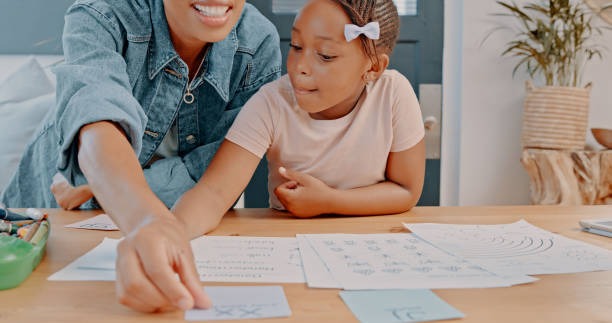
In today’s fast-paced world, the journey of learning can sometimes feel overwhelming.
Whether you’re a student navigating the complexities of academia, a parent supporting your child’s education, or an adult seeking to further your knowledge, the tools available to make learning more accessible can truly transform the experience.
Let’s explore some of these helpful resources and how they can create a more inclusive and supportive learning environment.
A gentle introduction to accessible learning tools begins with technology. The digital age has gifted us with an array of innovative applications and platforms designed to cater to various learning styles and needs. For instance, text-to-speech software allows individuals with reading difficulties or visual impairments to engage with written content in a new way. Imagine being able to listen to a book or article rather than struggling through the text. This simple shift can open up a world of knowledge that may have felt out of reach.
Another remarkable advancement is the use of educational apps that promote interactive learning. These applications often incorporate gamification, making the process of acquiring new skills feel less like a chore and more like an enjoyable game. From language learning to math skills, these apps provide a hands-on experience that caters to various learning preferences. By making learning fun and engaging, they can help foster a love for education that lasts a lifetime.
As we delve deeper into the realm of accessible learning, it’s essential to recognize the power of community. Online forums and study groups have become invaluable resources for learners of all ages. These platforms allow individuals to connect with peers, share insights, and seek help when needed. The encouragement and support found in these communities can be transformative. Knowing that you’re not alone in your learning journey can ease feelings of frustration and foster a sense of belonging.
When discussing accessibility, we must also consider the physical environment in which learning takes place. Creating a comfortable and inviting space can significantly enhance focus and retention. Simple changes, such as ensuring adequate lighting, reducing distractions, and having comfortable seating, can make a world of difference. A well-organized study area not only promotes concentration but also instills a sense of calm, allowing the mind to absorb information more effectively.
Incorporating multi-sensory learning techniques is another way to enhance accessibility. This approach acknowledges that individuals learn in diverse ways and can benefit from engaging multiple senses. For example, using visual aids, hands-on activities, and auditory resources can create a richer, more engaging experience. These methods not only cater to different learning styles but also help reinforce concepts, making them easier to remember.
A small shift toward balance can also be achieved through mindfulness practices. Techniques such as meditation and deep breathing can be beneficial for learners who experience anxiety or stress. Taking a few moments to center oneself can lead to improved focus and clarity, allowing for a more productive learning session. Encouraging mindfulness in educational settings can cultivate a supportive atmosphere where students feel empowered to tackle challenges head-on.
As we continue to explore avenues for making learning more accessible, let’s not overlook the importance of personalized learning plans. Tailoring educational experiences to meet individual needs can lead to more effective outcomes. Whether through specialized tutoring, adaptive learning technologies, or customized curricula, recognizing each learner’s unique strengths and challenges can create a more inclusive environment. This tailored approach promotes confidence and encourages learners to embrace their educational journey.
The role of educators in fostering accessibility cannot be understated. Teachers and mentors who prioritize inclusivity create a welcoming atmosphere that encourages all students to thrive. Professional development opportunities that focus on accessibility and inclusive teaching strategies can empower educators to better support their students. When teachers are equipped with the right tools and knowledge, they can cultivate a nurturing environment where every learner feels valued and understood.
In the realm of learning resources, audiobooks and podcasts have emerged as powerful tools for accessibility. These formats allow individuals to absorb information while on the go, making learning more flexible and convenient. Whether commuting, exercising, or doing household chores, learners can immerse themselves in new ideas and concepts without feeling constrained by time or location. This adaptability can be particularly beneficial for those balancing multiple responsibilities.
As we reflect on the myriad of tools available to enhance learning accessibility, it’s essential to recognize the importance of advocacy. Supporting initiatives that promote inclusive education can help ensure that all learners have the opportunity to succeed. Whether through volunteering, participating in community discussions, or advocating for policy changes, each action contributes to a more equitable educational landscape. By working together, we can create a world where everyone has access to the tools and resources they need to thrive.
In conclusion, the journey toward accessible learning is a multifaceted one, enriched by technology, community support, and a commitment to inclusivity. By embracing a variety of tools and strategies, we can create an environment that nurtures curiosity and fosters a love for learning. As we continue to explore these resources, let’s remember that every small step toward accessibility can lead to significant changes in the lives of learners everywhere. Together, we can build a future where education is a welcoming space for all, filled with opportunities for growth and connection.