In today’s fast-paced world, effective communication is a cornerstone of successful learning environments.
Within the classroom, where diverse voices and perspectives converge, fostering clear and open dialogue is essential.
Fortunately, several tools and practices can support better communication among students and educators, creating a harmonious atmosphere conducive to learning.
Creating a welcoming space for dialogue is the first step in enhancing communication. Classrooms should be designed not just for lectures but for conversations. Arranging desks in a circle or small groups encourages students to engage with one another. This simple shift allows for more face-to-face interactions, making it easier to share ideas and ask questions. When students feel comfortable, they are more likely to express their thoughts and participate in discussions, building a supportive community where everyone’s voice is valued.
Integrating technology into the classroom can also greatly improve communication. Tools like discussion boards, chat applications, and collaborative platforms provide students with various ways to share their ideas. These digital spaces can be particularly beneficial for students who may feel shy or anxious in traditional classroom settings. By allowing them to express their thoughts in writing, these tools can help bridge communication gaps, fostering a sense of belonging and encouraging participation.
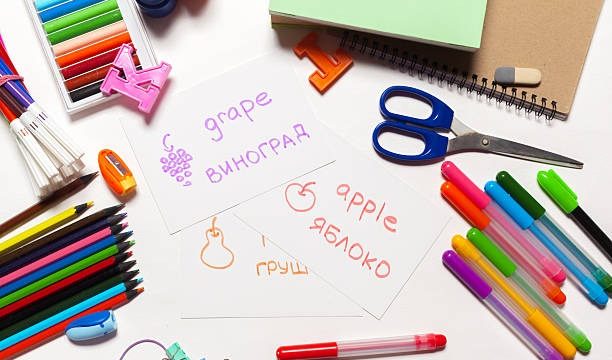
Another noteworthy tool is the use of visual aids. Visual communication can transcend language barriers and enhance understanding. Utilizing charts, graphs, and infographics can help clarify complex concepts, making them more accessible to all students. Additionally, incorporating multimedia presentations not only keeps students engaged but also caters to different learning styles, ensuring that everyone has the opportunity to grasp the material being taught.
Storytelling is a timeless method that can enrich communication in the classroom. Encouraging students to share their personal experiences or relate lessons to their own lives fosters a deeper connection to the material. When students see themselves in the stories being told, they are more likely to engage and contribute their own narratives, creating a rich tapestry of shared experiences. This practice not only enhances understanding but also cultivates empathy among peers, allowing for a more compassionate classroom environment.
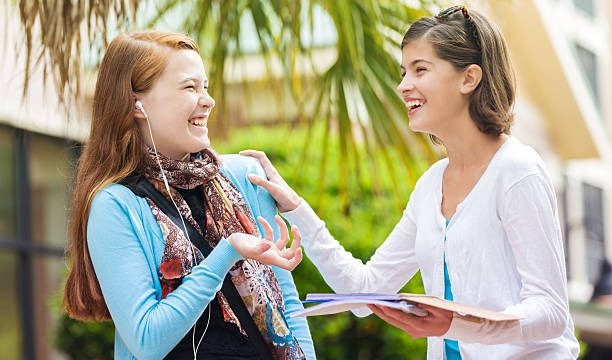
Active listening is another essential skill that can significantly improve communication. Teaching students the art of listening can transform classroom dynamics. When students practice active listening, they learn to value their peers’ perspectives, leading to more meaningful discussions. Educators can model this behavior by demonstrating how to ask open-ended questions and encouraging students to reflect on what they hear. This creates a culture of respect and attentiveness, where everyone feels heard and understood.
Feedback mechanisms also play a crucial role in supporting communication. Regularly soliciting feedback from students can help educators understand what works and what doesn’t in their teaching methods. Creating anonymous surveys or suggestion boxes allows students to express their thoughts freely and honestly. This openness can lead to improvements in classroom practices and ensure that the learning environment remains responsive to students’ needs.
Incorporating group projects is another effective way to enhance communication skills. Working collaboratively encourages students to articulate their ideas and negotiate with their peers. These projects can help develop teamwork skills, as students learn to delegate tasks and support one another. By navigating group dynamics, they also gain valuable experience in conflict resolution, further enriching their communication abilities.
Mindfulness practices can also support better communication in the classroom. Techniques such as deep breathing or brief meditation can help students center themselves and reduce anxiety. When students are calm and focused, they are more likely to engage in open and constructive conversations. Educators can incorporate mindfulness moments into the daily routine, allowing students to reset before discussions or group work, creating a supportive space for communication.
As we explore these tools and practices, it’s essential to remember the value of building relationships. Strong teacher-student relationships create a foundation for open communication. When students feel connected to their educators, they are more likely to share their thoughts and feelings. Taking the time to get to know students individually, understanding their backgrounds and interests, can foster a trusting environment where communication flourishes.
Creating a culture of communication also involves celebrating diversity. Encouraging students to share their unique backgrounds and perspectives enriches the learning experience for everyone. By recognizing and valuing differences, educators can create a more inclusive atmosphere, allowing for a broader range of ideas and discussions. This not only enhances communication but also prepares students for the diverse world beyond the classroom.
In conclusion, fostering better communication in the classroom is a multifaceted journey that involves both practical tools and thoughtful practices. From arranging physical spaces that encourage dialogue to integrating technology and storytelling, a variety of approaches can be employed. Active listening, feedback mechanisms, collaborative projects, mindfulness, and relationship-building all contribute to a vibrant communication culture. As educators and students work together to create an environment where everyone feels heard and valued, they set the stage for a more enriching and fulfilling learning experience. With these tools at their disposal, classrooms can become spaces of connection and understanding, where communication thrives, and every voice matters.