In the ever-evolving landscape of education, the tools available to teachers and students have transformed dramatically.
From traditional chalkboards to interactive smartboards, the classroom environment has become a vibrant space filled with potential.
The right tools can inspire creativity, enhance engagement, and foster a love of learning that lasts a lifetime.
Let’s explore some innovative classroom tools that support and inspire better learning experiences.
A gentle embrace of technology
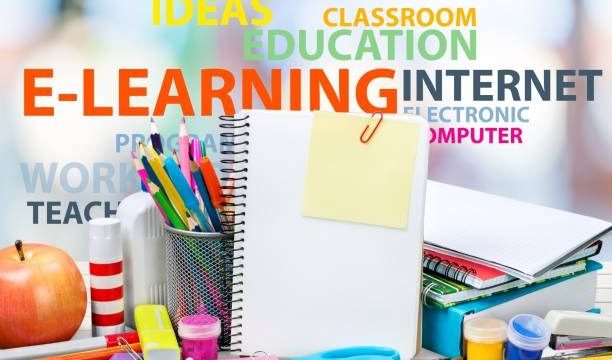
One of the most notable changes in classrooms today is the integration of technology. Digital tools have become more than just fancy gadgets; they are gateways to a world of information and creativity. Platforms like Google Classroom and Microsoft Teams enable teachers to create dynamic learning environments where students can collaborate, share resources, and engage with content in real time. These platforms encourage a sense of community among students, even when they are physically apart.
Interactive whiteboards have also revolutionized the way lessons are delivered. These large screens allow teachers to present information in engaging and interactive ways. Students can participate actively by solving problems on the board or contributing ideas during discussions. This hands-on approach not only captures attention but also promotes critical thinking and teamwork, essential skills for the modern world.
Creating a sanctuary for creativity
While technology plays a crucial role in contemporary classrooms, it’s equally important to cultivate an environment that nurtures creativity. Flexible seating arrangements, for instance, have become a popular trend. Instead of traditional desks in rows, classrooms are now designed with various seating options, such as bean bags, floor cushions, and standing desks. This flexibility allows students to choose where and how they learn best, ultimately leading to increased comfort and concentration.
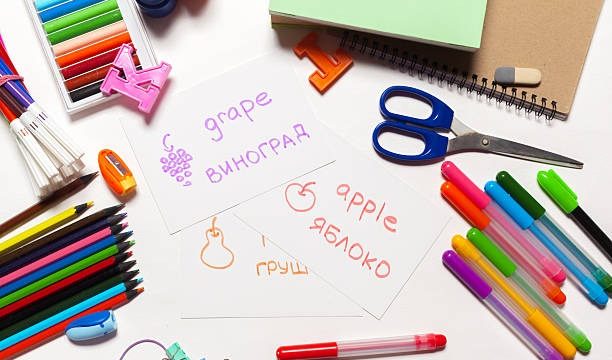
Incorporating art supplies and creative materials into the classroom can also spark imagination. Whether it’s a corner filled with paints, markers, and paper or a designated space for building with blocks and other tactile resources, these tools invite students to express themselves. When children have access to creative outlets, they often feel more engaged and motivated to learn.
Encouraging a love for reading
Books remain an essential part of the learning experience. A well-curated classroom library filled with diverse and engaging literature can inspire a passion for reading. Teachers can create cozy reading nooks where students can escape into different worlds through stories. By incorporating a variety of genres, including fiction, non-fiction, and poetry, teachers can cater to different interests and reading levels, fostering a lifelong love for literature.
Additionally, technology can enhance reading experiences. E-readers and audiobooks provide alternative ways for students to engage with texts, catering to different learning styles. These tools can be especially beneficial for struggling readers, offering them the support they need to build confidence and improve their skills.
Nurturing emotional intelligence
In recent years, there has been a growing recognition of the importance of social-emotional learning (SEL) in education. Tools that promote emotional awareness and interpersonal skills are becoming increasingly integral to the classroom experience. Programs that incorporate mindfulness practices, such as breathing exercises or guided meditations, can create a calm atmosphere conducive to learning.
Classroom discussions around emotions, empathy, and conflict resolution can also help students develop essential life skills. By nurturing emotional intelligence, educators empower students to understand themselves and others better, leading to healthier relationships and a more supportive classroom community.
Fostering a connection with nature
The natural world offers countless opportunities for learning and growth. Schools that incorporate outdoor classrooms or garden spaces provide students with hands-on experiences that deepen their understanding of science, ecology, and sustainability. Gardening projects not only teach students about the environment but also instill a sense of responsibility and teamwork.
Nature walks can also be a wonderful way to inspire curiosity and exploration. By stepping outside the confines of the classroom, students can observe the world around them, ask questions, and engage in experiential learning. This connection to nature can enhance their well-being, reduce stress, and ignite a passion for discovery.
Building bridges between home and school
Creating a strong partnership between home and school can significantly enhance the learning experience. Tools that facilitate communication between teachers and parents, such as apps or online platforms, can keep families informed and engaged in their child’s education. When parents feel connected to the school community, they are more likely to support their child’s learning at home.
Encouraging family involvement in school activities, such as reading nights or science fairs, can also foster a sense of belonging. When families are actively engaged, students often feel more motivated and supported in their educational journey.
A small shift toward balance
As we embrace the myriad tools available in today’s classrooms, it’s essential to remember the importance of balance. While technology and innovative resources can enhance learning, they should not overshadow the value of human connection and traditional teaching methods. Striking a balance between digital tools and hands-on experiences can create a holistic learning environment that meets the diverse needs of all students.
In conclusion, the classroom tools that inspire better learning are not just about technology or trendy resources. They encompass a wide range of elements that promote creativity, emotional intelligence, and a connection to the world around us. By thoughtfully integrating these tools into the educational experience, we can cultivate an environment where students thrive, feel valued, and develop a lifelong love for learning. As we continue to explore new possibilities in education, let’s keep the focus on nurturing a sense of curiosity and wonder in every learner.