In the bustling world of education, teachers often find themselves juggling multiple tasks while trying to create an engaging learning environment.
As the heart of the classroom, their ability to foster a productive atmosphere is crucial.
Over the years, many educators have discovered tools and strategies that not only enhance their teaching experience but also streamline classroom management.
Here, we explore some beloved favorites that can help cultivate efficiency and joy in the classroom setting.
A gentle embrace of organization
One of the most cherished tools among teachers is the humble planner. This essential item serves as a roadmap for daily lessons, assignments, and activities. By keeping everything in one place, teachers can easily track their objectives and ensure they are meeting educational standards. Many educators find joy in personalizing their planners, using color-coded systems or decorative stickers to make planning feel less like a chore and more like a creative endeavor. The act of writing down goals and schedules can also provide a sense of clarity and calm in the often hectic school day.
In addition to planners, digital tools have become increasingly popular for managing classroom tasks. Applications like Google Classroom or educational platforms allow teachers to streamline communication with students and parents, distribute assignments, and provide feedback all in one convenient space. The integration of technology not only saves time but also encourages a more interactive approach to learning, which many students appreciate.
Creating a harmonious environment
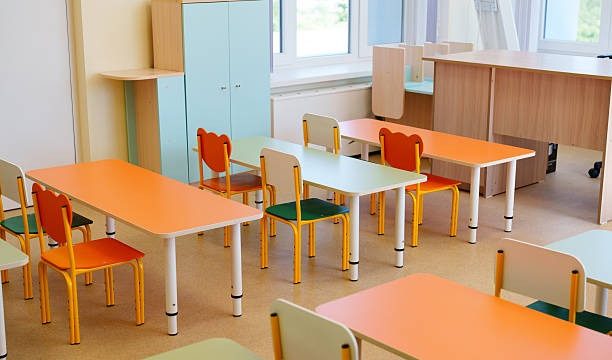
Another key factor in enhancing classroom efficiency is the physical environment itself. A well-organized classroom can significantly impact both teaching and learning. Many teachers have found success with flexible seating arrangements that allow students to choose where they sit, fostering a sense of ownership over their learning space. Comfortable seating options, such as bean bags or floor cushions, can create a cozy atmosphere that encourages collaboration and discussion.
Moreover, integrating elements of nature into the classroom can have a soothing effect. Simple additions like plants or natural light can boost mood and focus. Teachers often report that a touch of greenery not only brightens the room but also helps students feel more connected to their surroundings, leading to a more engaged learning experience.
The importance of routines
Establishing clear routines is another favorite strategy among educators. Routines provide structure, helping students know what to expect and when. This predictability can reduce anxiety and foster a sense of security in the classroom. Teachers often find that when students understand the flow of the day, they are more likely to participate actively and remain focused.
Morning meetings, for instance, can set a positive tone for the day. These gatherings offer a chance for students to connect, share, and engage with one another before diving into academic tasks. Whether it’s discussing the day’s agenda or celebrating each other’s achievements, morning meetings can cultivate a strong sense of community within the classroom.
Nurturing creativity and collaboration
Incorporating creative projects into the curriculum is another beloved approach that many teachers swear by. Art, music, and hands-on activities not only make learning more enjoyable but also encourage collaboration among students. When children work together on projects, they develop important social skills and learn to value diverse perspectives.
Teachers often find that creativity is a powerful motivator. When students are excited about what they are learning, they are more likely to engage deeply with the material. Activities like group presentations or collaborative art projects can ignite enthusiasm and foster a love of learning that extends beyond the classroom walls.
A focus on self-care
In the quest for classroom efficiency, it’s essential not to overlook the well-being of the teacher. Many educators have discovered that taking time for self-care can significantly impact their effectiveness in the classroom. Whether it’s a quiet moment with a book, a walk in nature, or practicing mindfulness exercises, these small acts can recharge a teacher’s spirit and enhance their ability to connect with students.
Creating a supportive network with fellow educators also plays a vital role in maintaining well-being. Sharing experiences, challenges, and successes can foster a sense of camaraderie and reduce feelings of isolation. Teachers often find comfort in knowing they are not alone in their journey, and this connection can lead to valuable insights and new ideas for classroom efficiency.
The beauty of reflection
Finally, the practice of reflection has become a cherished favorite among many educators. Taking time to assess what works and what doesn’t can lead to meaningful improvements in teaching strategies. Journaling about classroom experiences, successes, and challenges can help teachers gain perspective and adapt their approaches accordingly.
Reflection also encourages a growth mindset, allowing educators to embrace challenges as opportunities for learning. By cultivating a habit of self-reflection, teachers can continually evolve their practices, ultimately benefiting their students and creating a more dynamic classroom environment.
In conclusion, the journey of teaching is filled with opportunities for creativity, connection, and growth. By embracing tools and strategies that enhance efficiency, educators can create a harmonious classroom atmosphere that fosters learning and engagement. From the simple act of organizing tasks to nurturing student creativity, these teacher favorites serve as a reminder that a little intention can go a long way in making the classroom a vibrant and effective space. In the end, it’s not just about efficiency; it’s about cultivating an environment where both teachers and students can thrive together.