In the gentle journey of early childhood education, the development of writing skills stands as a beautiful milestone.
It’s a time when tiny hands begin to grasp the tools of expression, and the world opens up through the magic of words.
Interactive worksheets have emerged as a delightful way to engage young learners, making the process not only educational but also enjoyable.
Creating a nurturing environment for early writers is essential, and interactive worksheets offer a perfect blend of structure and creativity. These resources are designed to captivate young minds, encouraging them to explore letters, words, and sentences in a playful manner. By integrating various activities that stimulate curiosity, these worksheets help children build confidence in their writing abilities.
Engagement through play is a cornerstone of effective learning. With interactive worksheets, children can dive into the world of writing without the pressure often associated with traditional methods. Imagine a worksheet that invites a child to trace letters while simultaneously telling a story about a friendly dragon or a brave little mouse. This approach transforms writing from a daunting task into an adventure filled with imagination.
One of the most appealing aspects of interactive worksheets is their versatility. They can cater to different learning styles and pace, allowing children to progress in a manner that feels comfortable for them. Some children may thrive on visual cues, while others might prefer auditory or kinesthetic activities. By incorporating a variety of tasks—such as matching letters to pictures, creating simple sentences, or even drawing illustrations—these worksheets can address the unique needs of each child.
Fostering a love for writing at an early age is a gift that lasts a lifetime. Interactive worksheets can serve as a bridge between playful exploration and foundational skills. When children are encouraged to express themselves through writing, they not only improve their literacy skills but also enhance their overall communication abilities. This early practice lays the groundwork for more advanced writing tasks they will encounter later in their educational journey.
The interactive nature of these worksheets also allows for collaboration and social interaction. Parents and educators can engage with children as they work through various activities, creating a supportive atmosphere. This shared experience encourages dialogue, where young writers can express their thoughts and ideas freely. It’s in these moments of connection that children feel validated and inspired, reinforcing their desire to write.
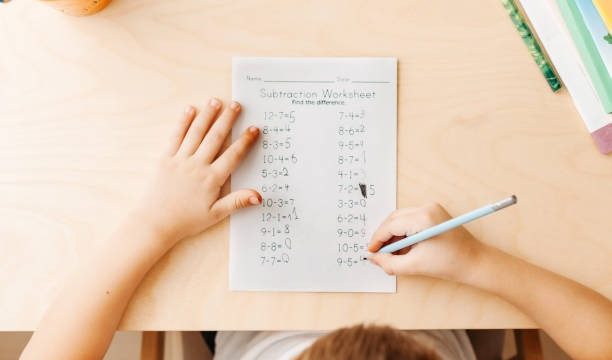
As children engage with interactive worksheets, they also develop fine motor skills. The act of holding a pencil, tracing letters, or using stickers to create words enhances their hand-eye coordination and dexterity. This physical engagement is just as crucial as the cognitive aspects of writing, forming a holistic approach to learning. Encouraging children to practice writing in a way that feels natural and fun can lead to less frustration and more enthusiasm for the task at hand.
Incorporating storytelling into interactive worksheets can further enrich the writing experience. Children love tales of adventure, friendship, and discovery, and weaving these narratives into their writing exercises can ignite their creativity. A simple prompt, like “What happens when you give your teddy bear superpowers?” can lead to a delightful exploration of imagination, where children can express their thoughts in written form while enjoying the process.
The beauty of interactive worksheets lies in their ability to adapt to the interests of children. If a child is fascinated by dinosaurs, for example, worksheets that feature dinosaur-themed writing prompts can capture their attention. This tailored approach not only makes writing fun but also helps children see the relevance of writing in their everyday lives. When they can connect their interests with learning, the experience becomes more meaningful.
As parents and educators, it’s important to recognize that every child develops at their own pace. Interactive worksheets can be a gentle guide, offering challenges that are both stimulating and achievable. Celebrating small victories, like forming a letter correctly or writing a complete sentence, can boost a child’s self-esteem and motivate them to continue exploring their writing skills.
Creating a daily writing routine can also enhance the effectiveness of these worksheets. Setting aside a few minutes each day for writing practice can establish a sense of discipline while keeping the experience enjoyable. This routine can be as simple as writing a short story, journaling about the day, or even composing a letter to a family member. When writing becomes a regular part of a child’s life, it fosters a sense of accomplishment and reinforces the skills they are developing.
In a world that often feels fast-paced, nurturing early writing skills through interactive worksheets is a calming and rewarding experience. It creates a space where children can explore their thoughts and feelings, express their creativity, and develop essential skills. As they embark on this journey, they not only learn to write but also discover the joy of storytelling and self-expression.
In conclusion, interactive worksheets for early writing skills serve as a bridge between learning and play, offering a wonderful way for children to engage with language. As they trace letters, create stories, and explore their creativity, they build a foundation for lifelong writing skills. By providing a supportive environment filled with encouragement and joy, parents and educators can help cultivate a love for writing that will inspire young minds for years to come. Writing is not just about putting pen to paper; it’s about sharing ideas, connecting with others, and exploring the world through words. And with the right tools, every child can embark on this enchanting journey.