In today’s educational landscape, the idea of student empowerment is becoming increasingly vital, especially in creating inclusive classrooms where every learner feels valued and engaged.
It’s a concept that goes beyond mere participation; it’s about fostering an environment where students can express themselves, contribute to their learning, and feel a sense of ownership over their educational journey.
When we talk about inclusivity, we are referring to a space that embraces diversity, where each student’s unique strengths are acknowledged and celebrated.
The journey toward inclusive classrooms begins with understanding that every student brings something special to the table. Whether it’s a different cultural background, varied learning styles, or distinct abilities, these differences enrich the learning experience for everyone. When students feel empowered, they are more likely to engage deeply with their peers and their studies. This engagement can lead to a more dynamic, collaborative environment where learning becomes a shared adventure rather than a solitary endeavor.
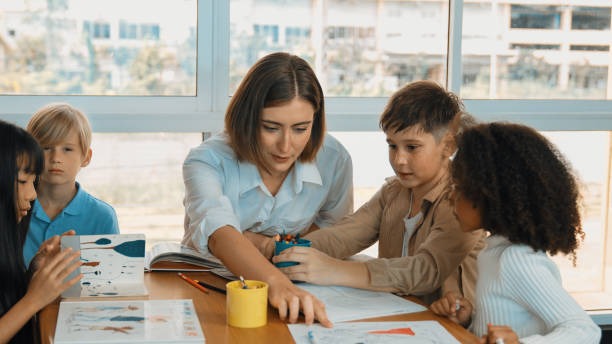
Creating a culture of empowerment starts with the teachers. Educators play a crucial role in setting the tone for inclusivity. By adopting a warm, inviting approach, teachers can help students feel safe to express their thoughts and ideas. It’s important for educators to actively listen to their students, encouraging them to voice their opinions and contribute to discussions. This practice not only validates students’ experiences but also fosters a sense of belonging that is essential in an inclusive classroom.
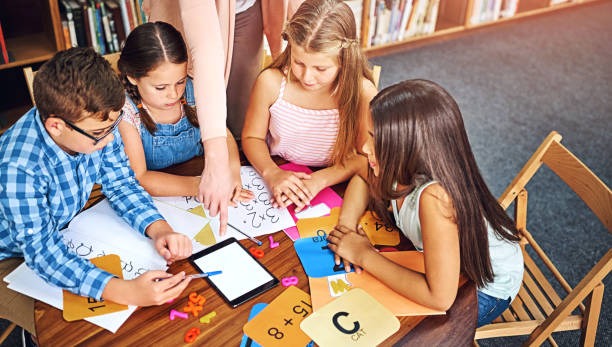
A small shift toward balance can have a profound effect. Instead of traditional authoritative teaching methods where the teacher is the sole source of knowledge, a more balanced approach invites students to take on more active roles. Group projects, collaborative discussions, and peer teaching are excellent ways to facilitate this. When students work together, they learn from each other, gain different perspectives, and develop empathy—an essential skill in our increasingly diverse world.
Moreover, empowering students means recognizing that learning is not a linear process. Every student has their own pace, and that’s perfectly okay. It’s essential to create opportunities for personalized learning, where students can explore subjects that interest them at their own speed. This could involve providing various resources, such as books, videos, or interactive activities that cater to different learning styles. When students have the freedom to choose how they learn, they are more likely to feel motivated and engaged.
Building a supportive community is another cornerstone of student empowerment. Encouraging students to collaborate and support one another can create a positive classroom atmosphere. When students feel a sense of camaraderie, they are more likely to take risks in their learning, knowing that their peers and teachers are there to support them. This community spirit can also help combat feelings of isolation, particularly for those who may feel marginalized or overlooked.
Incorporating social-emotional learning into the curriculum can also play a significant role in empowering students. By equipping them with the skills to manage their emotions, set goals, and establish positive relationships, we can help them navigate the complexities of school life and beyond. When students develop these skills, they are better prepared to advocate for themselves and their needs. This self-advocacy is crucial in an inclusive classroom, where understanding one’s strengths and challenges can lead to more effective learning strategies.
Another important aspect of fostering an inclusive environment is ensuring that all students have access to resources and support. This could mean providing additional assistance for students who may need it, whether that’s through tutoring, mentorship, or specialized programs. It’s essential to recognize that inclusion is not just about bringing everyone together; it’s also about ensuring that every student has the tools they need to succeed.
Celebrating diversity within the classroom can also be a powerful method of empowerment. By integrating diverse perspectives into the curriculum, students can learn about different cultures, histories, and experiences. This not only enriches their understanding of the world but also helps them appreciate the unique contributions of their classmates. When students see themselves reflected in the curriculum, it boosts their confidence and reinforces their sense of belonging.
Reflection plays a significant role in the empowerment journey. Encouraging students to think about their learning experiences, what they enjoyed, and what they found challenging can help them develop a growth mindset. This reflection can take many forms, from journaling to group discussions, and it can help students take ownership of their learning. When they have the opportunity to reflect on their progress, they can set personal goals and recognize their achievements, no matter how small.
As we explore the idea of student empowerment, it’s essential to remember that this is not a one-size-fits-all approach. Each classroom is unique, and what works for one group of students may not resonate with another. Therefore, it’s crucial for educators to remain flexible and open to feedback from their students. By continually adapting and evolving their teaching strategies, teachers can create an environment that truly reflects the needs and aspirations of their learners.
In essence, empowering students in inclusive classrooms is about creating a nurturing space where every voice is heard, every student is valued, and every individual can thrive. It’s about fostering a sense of community, encouraging collaboration, and celebrating diversity. When students feel empowered, they not only engage more fully in their education, but they also develop the skills and confidence they need to navigate the world beyond the classroom.
As we continue to prioritize inclusivity in education, let’s remember that the journey is ongoing. Each small step toward empowerment can lead us to a more inclusive and compassionate future, where every student has the opportunity to shine. Together, we can build classrooms that are not only places of learning but also havens of support and inspiration for all.