In our fast-paced world, communication is key.
Whether you’re connecting with friends, writing a professional email, or sharing your thoughts on social media, the way we express ourselves matters.
Understanding grammar can feel daunting, but it doesn’t have to be.
By breaking it down into manageable pieces, grammar can become a tool for clarity and confidence in your everyday life.
A gentle introduction to the world of grammar reveals that it is essentially a set of guidelines that helps us communicate more effectively. Think of grammar as the framework of a house; it may not be the most exciting part, but it supports everything else. Once you grasp the basics, you’ll find that your writing and speaking can flow more freely.
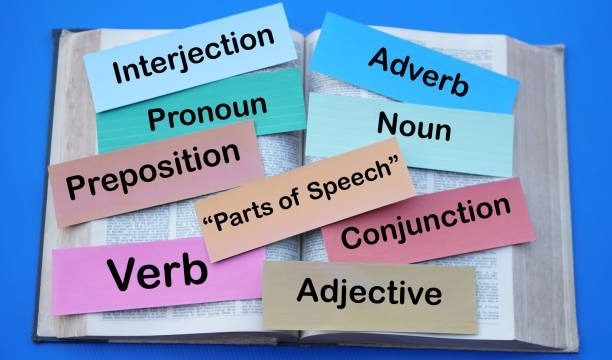
One of the first steps toward mastering grammar is to familiarize yourself with the parts of speech. These are the building blocks of our sentences and include nouns, verbs, adjectives, adverbs, pronouns, prepositions, conjunctions, and interjections. Each part of speech has a unique role, much like the different instruments in an orchestra. When they work together harmoniously, they create beautiful music— or in this case, clear and effective communication.
Nouns are the names of people, places, things, or ideas. They are the subjects and objects in our sentences, providing the essential elements we want to talk about. Verbs, on the other hand, are the action words that tell us what the subject is doing. When you combine nouns and verbs, you create the core of a sentence. For instance, in the phrase “The cat sleeps,” “cat” is the noun, and “sleeps” is the verb. Simple, right?
Adjectives and adverbs add color and detail to our sentences. Adjectives describe nouns, giving us more information about them. For example, in “the fluffy cat,” “fluffy” is the adjective that paints a vivid picture in our minds. Adverbs modify verbs, adjectives, or other adverbs, often ending in “-ly.” In the phrase “She runs quickly,” “quickly” tells us how she runs. These small additions can transform a basic sentence into something more engaging and expressive.
As you delve deeper into grammar, you might encounter the concept of subject-verb agreement. This principle states that the subject and verb in a sentence must match in number. For example, “The dog barks” is correct, while “The dog bark” is not. This agreement helps listeners and readers understand the sentence more easily. It’s a small shift that can make a significant difference in clarity.
Punctuation is another essential aspect of grammar that often gets overlooked. Proper punctuation acts like road signs in our writing, guiding readers through our thoughts. A well-placed comma can change the meaning of a sentence entirely. Consider the difference between “Let’s eat, Grandma” and “Let’s eat Grandma.” The first invites Grandma to dinner, while the second suggests something quite different! Understanding how to use punctuation marks like commas, periods, question marks, and exclamation points can enhance your writing and make it more enjoyable to read.
As you practice your grammar skills, remember that everyone makes mistakes. Language is constantly evolving, and even the most seasoned writers occasionally slip up. Instead of viewing errors as failures, see them as opportunities for growth. Embrace the learning process, and don’t be afraid to experiment with language. The more you write, the more comfortable you will become.
Reading is also a wonderful way to improve your grammar. When you immerse yourself in well-written content, you naturally absorb the rules and nuances of language. From novels to articles, each piece offers a chance to see grammar in action. Pay attention to how sentences are constructed, how punctuation is used, and how ideas are expressed. This exposure can inspire your own writing style and help you internalize grammatical concepts more effectively.
In our digital age, there are countless resources available to help you sharpen your grammar skills. Online courses, grammar-checking tools, and writing communities can provide valuable support. However, it’s essential to choose resources that resonate with you and fit your learning style. Whether you prefer interactive lessons or reading articles, find what feels right for you, and allow yourself to explore at your own pace.
As you embark on your grammar journey, remember to be kind to yourself. Learning is a process that takes time and patience. Set small, achievable goals, and celebrate your progress along the way. Perhaps you could aim to write a short paragraph each day or tackle a new grammatical concept each week. Little by little, these efforts will accumulate, and you’ll find yourself becoming more confident in your communication.
Incorporating grammar into your daily life can be a rewarding experience. Start by paying attention to your writing and speaking habits. Notice when you feel uncertain about a particular rule or structure. Take a moment to look it up or ask for help. This proactive approach will not only enhance your grammar skills but also foster a greater appreciation for the beauty of language.
Ultimately, grammar is about connection. It allows us to share our thoughts, convey our emotions, and engage with others meaningfully. By demystifying grammar and approaching it with curiosity and openness, you can unlock the doors to clearer communication. Embrace the journey of learning, and remember that every step you take brings you closer to expressing yourself with confidence and grace.
So, breathe easy and take it one word at a time. With a little patience and practice, grammar can become a natural part of your life, enriching your conversations and enhancing your writing. Here’s to the joy of language and the connections it fosters, making our world feel just a bit smaller and more intimate.