In the world of writing, whether you’re a student crafting an essay or a seasoned author penning a novel, grammar serves as the foundation upon which clarity and meaning are built.
Understanding and mastering grammar can feel like a daunting task, but it doesn’t have to be.
With a few gentle reminders and tips, you can navigate the intricacies of language with ease, allowing your thoughts to flow freely and beautifully.
A gentle introduction to grammar
Grammar is the structure that supports our language. It helps us convey our thoughts accurately and can even shape the way our ideas are received. While it might seem intimidating at first glance, think of grammar as a set of guidelines rather than strict rules. Just like a friendly map guiding you through a new city, grammar helps ensure that your readers can follow your journey without getting lost.
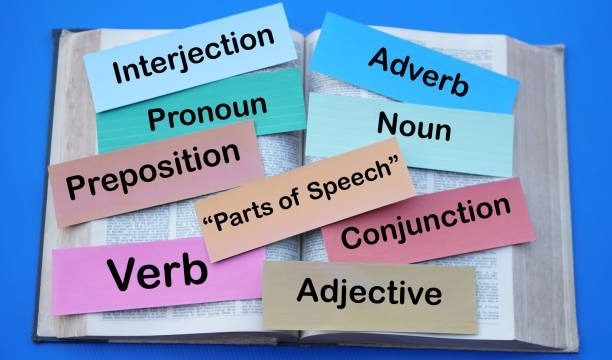
One of the first steps toward enhancing your grammar is to familiarize yourself with the parts of speech. Nouns, verbs, adjectives, and adverbs are the building blocks of sentences. By understanding how these components interact, you can create more complex and engaging sentences. Remember, it’s not about memorizing every rule; it’s about finding a rhythm that feels natural to you.
Finding your voice through punctuation
Punctuation is often seen as the small stuff, but it plays a crucial role in shaping your writing. Commas, periods, and semicolons are not just decorative; they guide your reader through your thoughts, indicating pauses and connections. Consider punctuation as the breath of your writing. Just as you would pause for a breath when speaking, your writing needs these markers to maintain a natural flow.
For instance, the humble comma can be your best friend. It helps clarify meaning and can even change the tone of your sentences. A well-placed comma can transform “Let’s eat, Grandma” into “Let’s eat Grandma.” The former invites Grandma to join the meal, while the latter suggests something quite different! This playful example highlights the importance of punctuation in ensuring your message is clear and engaging.
A small shift toward balance
As you become more comfortable with grammar, it’s essential to strike a balance between correctness and creativity. While grammar provides the framework, your unique voice and style bring your writing to life. Don’t be afraid to experiment with sentence structures and lengths. Short, punchy sentences can create excitement, while longer, more complex ones can evoke deeper reflection.
Think of your writing as a dance. Sometimes, you’ll want to move gracefully through long, flowing sentences, while other times, a quick, sharp step can add a burst of energy. Embrace the rhythm of language and allow yourself the freedom to express your ideas in a way that feels authentic to you.
The power of revision
One of the most valuable skills in writing is the ability to revise. Often, our first drafts are a jumble of thoughts that need refinement. Embrace the process of revising as a chance to polish your work. During revision, pay close attention to grammar, punctuation, and sentence structure. This is the time to ensure your writing not only conveys your ideas but does so with clarity and elegance.
Reading your work aloud can be an effective way to catch mistakes and improve the flow of your writing. Hearing your words can help you identify awkward phrasing or grammatical errors that might go unnoticed when reading silently. Additionally, consider sharing your work with a trusted friend or mentor who can offer constructive feedback. Fresh eyes can provide insights that enhance your writing and reinforce your understanding of grammar.
Embracing the journey
As you continue on your writing journey, remember that mastering grammar is a process. It’s perfectly normal to make mistakes along the way. Each error is an opportunity to learn and grow as a writer. Embrace these moments as part of the journey. The more you practice, the more instinctive your understanding of grammar will become.
Consider keeping a journal where you can experiment with different writing styles and grammatical structures. This safe space allows you to play with language without the pressure of perfection. Write freely, and over time, you’ll notice your confidence blossoming.
A connection to community
Writing can often feel like a solitary endeavor, but it doesn’t have to be. Engaging with a community of fellow writers can provide support and encouragement as you navigate the complexities of grammar. Whether through workshops, writing groups, or online forums, connecting with others can help you gain new perspectives and insights.
Sharing your work and receiving feedback can deepen your understanding of grammar while also fostering a sense of belonging. Remember, every writer has faced challenges, and you are not alone in your quest for clarity and expression.
Finding joy in the process
Ultimately, writing is about connection. It’s about sharing your thoughts, experiences, and creativity with others. While grammar is an essential tool in this journey, it should not overshadow the joy of writing itself. Allow yourself to revel in the beauty of language and the stories you have to tell.
As you continue to refine your grammatical skills, keep in mind that the most important aspect of writing is authenticity. Write from the heart, and let your unique voice shine through. With practice, patience, and a little bit of playfulness, you’ll find that grammar becomes less of a burden and more of a supportive partner in your writing adventure.
In conclusion, remember that grammar is not an obstacle but a bridge that connects your thoughts to your readers. Embrace the journey, find joy in the process, and allow your voice to flourish. With each word you write, you are crafting a piece of yourself, and that is something truly beautiful.