In the busy tapestry of our daily lives, language serves as the thread weaving connections between students, professionals, and writers.
Whether drafting an email, composing an essay, or storytelling, the nuances of grammar become the essential framework that holds our ideas together.
Understanding grammar is not just a set of rules; it’s a pathway to clearer communication and deeper understanding.
A gentle introduction to grammar can transform the way we express ourselves, making our thoughts more accessible and engaging. For students, mastering grammar can enhance academic performance and foster confidence. For professionals, clear grammar is essential in portraying competence and attention to detail. Meanwhile, writers can elevate their craft with a solid grasp of grammatical principles.
As we embark on this exploration of grammar lessons, it’s helpful to remember that each of us is on a personal journey, and small adjustments can lead to significant improvements.
Finding clarity through grammar
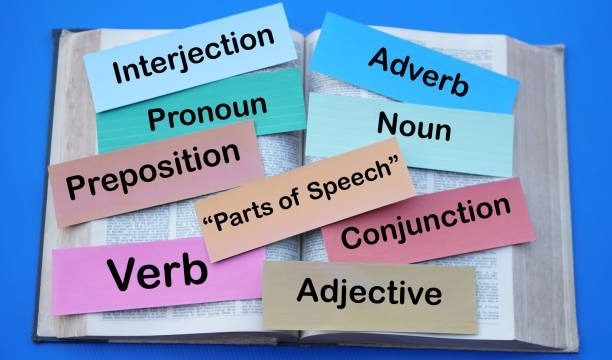
Understanding the basic components of grammar can provide a solid foundation. This includes recognizing parts of speech—nouns, verbs, adjectives, and adverbs—as well as the importance of sentence structure. Each element plays a vital role in shaping meaning and ensuring that our messages resonate with readers or listeners.
For students, a focus on these fundamentals can enhance writing assignments and oral presentations. Rather than viewing grammar as a set of rigid rules, embracing it as a tool for clarity can be liberating. For instance, consider how sentence fragments can disrupt the flow of thoughts. A simple adjustment, such as combining a fragment with a complete sentence, can create a smoother, more coherent narrative.
Professionals, too, can benefit from this awareness. In the workplace, clear communication can prevent misunderstandings and foster collaboration. A well-structured email or report not only conveys information effectively but also reflects professionalism. Taking the time to proofread and ensure grammatical accuracy can make a world of difference in how messages are received.
Writers, especially those in creative fields, often dance with language, pushing boundaries and experimenting with structure. However, a solid understanding of grammar can enhance creativity rather than hinder it. Knowing the rules allows writers to bend them with intention, crafting sentences that are both compelling and grammatically sound.
The art of punctuation
Punctuation is another vital aspect of grammar that can profoundly influence the tone and clarity of writing. Commas, periods, and semicolons serve as guiding lights, illuminating the path for readers and helping them navigate through our thoughts. A misplaced comma can change the meaning of a sentence entirely, while a well-placed semicolon can create a rhythm that adds elegance to prose.
For students, becoming familiar with punctuation marks can enhance their writing style. Understanding when to use a comma to separate clauses or to list items can refine their essays and reports. Professionals can elevate their communication by using punctuation effectively, ensuring their messages are both clear and engaging. Writers can experiment with punctuation to create unique styles, allowing their voices to shine through.
As we explore the nuances of punctuation, it’s essential to approach it with a sense of playfulness. Writing is an art form, and punctuation can be a tool for expression. A dash can convey excitement, while a series of ellipses can create suspense. Embracing the possibilities of punctuation allows for a richer writing experience.
Creating a supportive environment for learning
As we delve deeper into grammar, it’s important to foster a supportive environment for learning. Students often benefit from collaborative spaces where they can practice and discuss grammar concepts with peers. Group activities, discussions, and writing workshops can provide a sense of community and encouragement, making learning feel less daunting.
For professionals, seeking feedback from colleagues can be invaluable. Engaging in peer reviews or writing groups can provide fresh perspectives and constructive criticism. This collaborative approach not only sharpens skills but also builds camaraderie among team members, reinforcing a culture of continuous improvement.
Writers can also seek support through workshops, conferences, or online forums. Sharing work with others and receiving feedback can be a transformative experience, helping writers grow and develop their unique voices. Surrounding ourselves with like-minded individuals can inspire creativity and provide motivation on the journey of mastering grammar.
Embracing lifelong learning
In a world that is constantly evolving, embracing lifelong learning is essential. Grammar is not a static entity; it adapts and changes with language trends and societal shifts. Staying curious and open to new ideas can help us navigate these changes with grace.
For students, developing a love for language can ignite a passion for continuous learning. Exploring literature, engaging in discussions, and practicing writing can cultivate a deeper appreciation for grammar. Professionals can benefit from attending workshops, online courses, or reading industry-related materials, ensuring they stay updated on best practices in communication.
Writers can immerse themselves in the world of grammar through books, podcasts, and online resources. Each new insight can enhance their craft, allowing them to experiment with style and technique.
Ultimately, the journey toward grammatical mastery is not a race but a gradual unfolding. Embracing the process with kindness and curiosity can transform challenges into opportunities for growth.
As we reflect on the importance of grammar in our lives, let’s remember that it is a tool for connection. Whether we are students, professionals, or writers, grammar is the bridge that allows us to share our thoughts and ideas with the world. By nurturing our understanding of grammar, we can enhance our communication and create meaningful connections with those around us.
In this shared journey, let’s celebrate our progress, no matter how small, and embrace the beauty of language in all its forms. With each lesson learned, we become more adept at expressing ourselves, fostering understanding, and enriching our lives through the power of words.