Creating an inclusive environment in social studies classrooms is an essential aspect of modern education.
This approach not only enriches the learning experience for all students but also fosters a sense of belonging and respect for diversity.
With thoughtful strategies, educators can design lessons that resonate with every learner, making history, geography, and culture come alive in meaningful ways.
A gentle shift toward understanding
Incorporating diverse perspectives into social studies is crucial for fostering understanding among students. One effective strategy is to include materials that represent various cultures, histories, and viewpoints. Textbooks and resources should reflect a range of experiences, especially those of marginalized communities. By integrating stories from different ethnic backgrounds, gender identities, and socioeconomic statuses, students can develop a more nuanced understanding of the world around them.
To further this goal, educators might consider collaborating with local communities. Inviting guest speakers or organizing field trips to cultural centers can provide students with firsthand experiences and a deeper appreciation for different cultures. Such interactions not only enrich lesson plans but also help students see the relevance of social studies in their own lives and communities.
A focus on collaborative learning
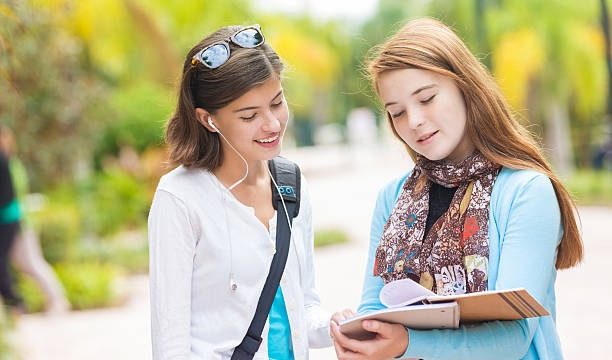
Creating opportunities for collaborative learning can also enhance inclusivity in social studies. Group projects that encourage students to work together foster a sense of teamwork and belonging. When students engage in discussions and share their insights, they learn from one another and appreciate diverse perspectives. This approach not only builds critical thinking skills but also nurtures empathy and respect.
To encourage collaboration, educators can design activities that require students to research and present on different aspects of a topic. For example, when studying a particular historical event, students can be assigned various roles that highlight differing viewpoints. This allows them to step into the shoes of others, promoting understanding and dialogue.
Cultivating an open dialogue
Establishing a classroom culture that values open dialogue is essential for inclusive social studies lessons. Creating a safe space where students feel comfortable sharing their thoughts and experiences can lead to richer discussions. Educators can model active listening and encourage students to express themselves, ensuring that every voice is heard and valued.
Facilitating discussions around sensitive topics can be challenging, but doing so is crucial for fostering critical thinking. Educators should approach these conversations with care, guiding students to explore various perspectives while emphasizing respect and understanding. By providing clear guidelines for discussions, educators can help students navigate complex issues with sensitivity.
A small shift toward balance
In social studies, it is important to strike a balance between teaching factual information and encouraging critical analysis. While students should learn about key events and figures, they should also be prompted to question and analyze the narratives presented. This can be achieved through inquiry-based learning, where students are encouraged to ask questions and seek answers through research and discussion.
Educators can create assignments that prompt students to investigate the reasons behind historical events or the impact of specific policies on different populations. By encouraging students to think critically about the material, they not only become more engaged but also develop essential analytical skills that will serve them throughout their education and beyond.
Embracing technology for engagement
In today’s digital age, technology can play a significant role in making social studies lessons more inclusive. Utilizing multimedia resources, such as videos, podcasts, and interactive maps, can appeal to a variety of learning styles. These tools can help bring complex topics to life and make them more accessible to all students.
Moreover, online platforms can facilitate discussions and collaboration beyond the classroom. Virtual exchanges with students from different regions or countries can broaden perspectives and foster global citizenship. By leveraging technology, educators can create dynamic learning experiences that resonate with diverse learners.
Nurturing a sense of belonging
Creating a sense of belonging is paramount in any inclusive classroom. Educators can foster this by celebrating students’ identities and cultures. Recognizing special events, holidays, and traditions from various backgrounds can help students feel valued and respected. Incorporating these celebrations into the curriculum not only enriches learning but also helps students see the beauty in diversity.
Additionally, educators should strive to build strong relationships with their students. Taking the time to understand their interests, strengths, and challenges can create a supportive environment. When students feel seen and understood, they are more likely to engage actively in their learning journey.
The power of reflection
Finally, encouraging reflection can deepen students’ understanding of social studies and their place within it. Allowing time for students to process what they’ve learned and how it relates to their own lives can foster personal connections to the material. Journals, discussions, or creative projects can serve as outlets for this reflection, helping students articulate their thoughts and feelings.
Reflection can also extend to the educator’s practice. Regularly assessing the inclusivity of lesson plans and being open to feedback from students can lead to continuous improvement. This willingness to adapt and grow is vital for creating a classroom that truly embraces all learners.
In conclusion, developing inclusive social studies lessons is a rewarding journey that requires intention, creativity, and compassion. By integrating diverse perspectives, fostering collaboration, and nurturing open dialogue, educators can create rich learning experiences that resonate with every student. As we embrace these strategies, we not only enhance our classrooms but also contribute to a more understanding and interconnected world.