In recent years, the conversation around education has shifted significantly towards inclusivity.
The idea that every child, regardless of their background or abilities, deserves access to quality education is gaining traction.
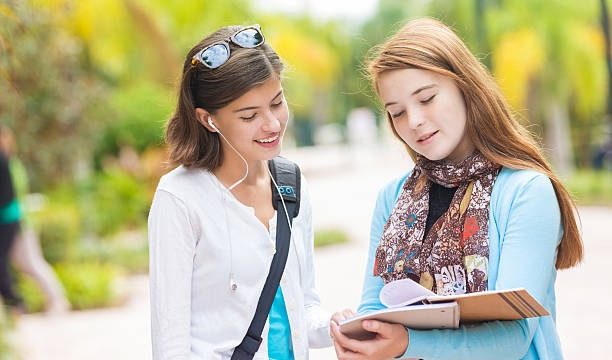
One of the most heartening developments in this movement is the rise of peer mentoring programs.
These initiatives are not just about academic support; they foster a sense of community and belonging that can transform the educational experience for all involved.
Creating a welcoming environment for every student is essential. Inclusive education is built on the premise that diversity enriches the learning experience. When children learn alongside their peers, they are exposed to different perspectives and ways of thinking. This exposure not only benefits students with disabilities but also enhances the understanding and empathy of their classmates. Peer mentoring programs serve as a bridge, connecting students in meaningful ways that promote understanding and friendship.
At the heart of peer mentoring is the idea of collaboration. Students are often more receptive to learning from their peers than from adults. When a mentor—someone who is relatable and close in age—offers guidance, it can make a world of difference. These relationships can demystify challenging subjects, making them more approachable and less intimidating. The mentor-mentee dynamic fosters a unique bond, where both parties grow and learn from one another.
The benefits of peer mentoring extend beyond academics. For students with disabilities, having a peer mentor can enhance social skills and boost confidence. It provides them with a safe space to express themselves and navigate the complexities of social interactions. For mentors, the experience nurtures leadership skills and reinforces their own learning. They often find that teaching others solidifies their understanding of the material. This symbiotic relationship creates a sense of purpose and belonging for both mentors and mentees.
In practice, peer mentoring programs can take many forms. Some schools implement structured programs where students are paired based on shared interests or academic goals. Others may adopt a more informal approach, encouraging students to seek out support from their peers on an as-needed basis. Regardless of the structure, the core goal remains the same: to create an inclusive environment where every student feels valued and supported.
A small shift toward balance can be achieved when schools actively promote these programs. Training for mentors is essential, equipping them with the skills to effectively support their peers. Workshops that focus on communication, empathy, and conflict resolution can prepare mentors for the diverse challenges they may face. By investing in these training sessions, schools send a clear message that they prioritize inclusivity and the well-being of their students.
In addition to enhancing academic performance, peer mentoring programs can also positively impact mental health. The sense of isolation that some students experience can be alleviated through meaningful relationships formed in these programs. Knowing that someone cares and is willing to listen can be a powerful motivator for students facing challenges. The emotional support that comes from peer mentoring can create a ripple effect, fostering a more compassionate school culture.
Community involvement plays a crucial role in the success of these initiatives. Engaging parents, local organizations, and even alumni can enrich the peer mentoring experience. Workshops, events, and social gatherings that involve the wider community can help reinforce the values of inclusivity and support. When students see that their efforts are recognized and celebrated beyond the classroom, it adds an extra layer of motivation to their participation.
As we look toward the future, the importance of inclusive education and peer mentoring programs cannot be overstated. These initiatives not only help students thrive academically but also cultivate a generation of empathetic, socially-aware individuals. The lessons learned in these programs extend far beyond the classroom, shaping how young people interact with the world around them.
For educators and parents alike, fostering an inclusive environment is a shared responsibility. It requires a commitment to understanding the unique needs of each student and actively working to create opportunities for connection. By championing peer mentoring programs, we can help dismantle barriers and promote a culture of acceptance and support.
In a world that often feels divided, inclusive education and peer mentoring programs remind us of the power of unity in diversity. They encourage us to embrace our differences and learn from one another, creating a more harmonious society. As we continue to advocate for these initiatives, let us remember the profound impact that kindness, understanding, and support can have on the lives of young people.
In conclusion, the journey toward inclusive education is ongoing, but the strides we make today will pave the way for a brighter tomorrow. Peer mentoring programs stand as a testament to the potential of collaboration, empathy, and community. By nurturing these values, we can help shape a future where every student feels seen, heard, and valued—a future where inclusivity is not just an ideal but a lived reality.