In the journey of education, challenges are often seen as obstacles.
However, a closer look reveals that these hurdles can serve as gateways to deeper learning and personal growth.
For students, navigating through challenges not only cultivates resilience but also enriches their educational experience in ways that textbooks alone cannot provide. By exploring the dynamics of student challenges, we can better understand how they contribute to a holistic learning environment.
The beauty of learning lies in its unpredictability. Each student brings a unique set of experiences and perspectives to the classroom, and with that comes a variety of challenges. Whether it’s grappling with complex mathematical concepts, adjusting to a new school environment, or managing the pressures of extracurricular activities, challenges can feel overwhelming. Yet, it is often through these very experiences that students learn the most about themselves and the world around them.
A small shift toward balance can transform how students perceive their challenges. Instead of viewing difficulties as setbacks, they can be reframed as opportunities for growth. For instance, a student struggling with public speaking may initially feel intimidated by the prospect of presenting in front of peers. However, with practice and support, this challenge can lead to newfound confidence and communication skills. This transformation is not just about overcoming fear; it’s about embracing the process of learning and the personal development that accompanies it.
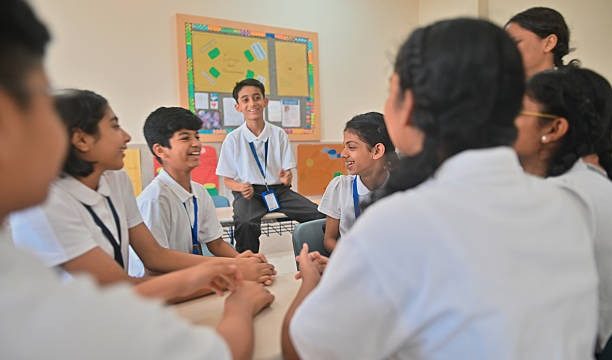
Moreover, when students encounter challenges, they often learn the importance of seeking help and collaborating with others. In a supportive classroom environment, peers can become invaluable allies. Working together on a difficult project or studying for a tough exam fosters a sense of community and shared purpose. Through these interactions, students develop social skills and empathy, learning that they are not alone in their struggles. This sense of camaraderie can lighten the load and make challenges feel more manageable.
Engaging with challenges also encourages critical thinking and problem-solving. When faced with a difficult situation, students are prompted to assess their options and devise strategies to overcome the issue at hand. This process cultivates a mindset of curiosity and exploration. For instance, a student who encounters a challenging science experiment may learn to approach the problem from different angles, experimenting with various solutions until they find one that works. Such experiences are invaluable, as they prepare students for real-world situations where adaptability and creative thinking are essential.
The role of educators in this process cannot be overstated. Teachers who create a safe and nurturing atmosphere encourage students to take risks and embrace challenges. By providing constructive feedback and celebrating small victories, educators can help students understand that failure is not the end of the road but rather a stepping stone on the path to success. This supportive approach fosters a growth mindset, where students learn to appreciate the journey of learning itself, rather than focusing solely on the end results.
In addition to academic challenges, personal and emotional hurdles also play a significant role in a student’s development. Navigating friendships, family dynamics, and self-identity can be daunting, yet these experiences are crucial for fostering emotional intelligence. When students learn to manage their emotions and build resilience in the face of adversity, they are better equipped to handle future challenges, both in and out of the classroom. The ability to reflect on these experiences and draw lessons from them is a valuable skill that extends far beyond school.
As students progress through their educational journeys, it’s essential to recognize that challenges are not just obstacles to be overcome but integral components of the learning experience. Each challenge faced and conquered adds a layer of depth to their understanding and personal growth. This perspective shift can inspire a newfound appreciation for the learning process itself, encouraging students to embrace future challenges with an open mind and heart.
Finding joy in the journey is another vital aspect of exploring learning through challenges. When students engage with their difficulties in a positive light, they often discover passions and interests they may not have recognized otherwise. For example, a student who struggles with writing may find a love for storytelling after overcoming the initial barriers. This newfound passion can ignite a lifelong love for learning and creativity, shaping their educational path in unexpected ways.
As we reflect on the importance of challenges in education, it’s crucial to remember that every student’s experience is unique. What may be a minor hurdle for one may be a significant challenge for another. This individuality underscores the need for empathy and understanding within the educational landscape. By fostering an environment that values diverse experiences, we can help students navigate their personal journeys with compassion and support.
Ultimately, exploring learning through student challenges enriches not only the academic environment but also the emotional and social fabric of the school community. By embracing these experiences, students learn to cultivate resilience, empathy, and a deep appreciation for the process of learning. As they move forward in their educational journeys, they carry with them the lessons they’ve learned, ready to tackle future challenges with confidence and grace.
In conclusion, the path of learning is paved with challenges that, when approached with the right mindset, become stepping stones toward growth and discovery. By recognizing the inherent value in these experiences, we can help students transform their challenges into opportunities, fostering a generation of resilient, empathetic, and curious individuals. In this way, education becomes not just about acquiring knowledge but about nurturing the whole person, preparing them for a life rich with learning and exploration.