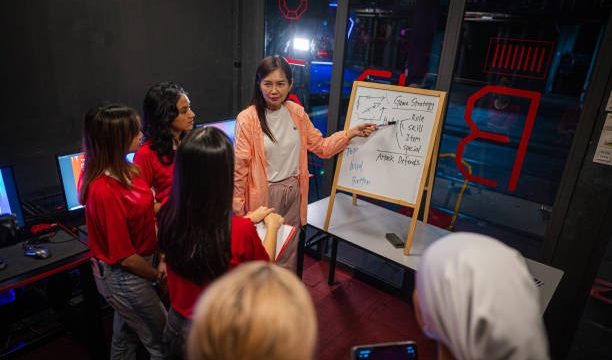
In today’s fast-paced world, the importance of youth development often takes center stage in discussions about education and personal growth.
While traditional classroom learning is undoubtedly valuable, academic events offer a unique platform for young individuals to explore their potential, engage with their peers, and cultivate essential life skills.
From science fairs to literary festivals, these gatherings provide a rich tapestry of experiences that contribute to holistic youth development.
A journey of exploration and discovery
Academic events serve as an exciting gateway for youth to delve into their interests and passions. Whether it’s participating in a debate competition, showcasing a science project, or presenting a research paper, these events encourage young minds to explore topics that ignite their curiosity. The thrill of preparing for an event often leads to a deeper understanding of the subject matter, fostering a love for learning that extends beyond the confines of the classroom.
Engaging with others is a key component of these experiences. Young people are given the chance to interact with like-minded individuals who share their enthusiasm, creating a sense of community and belonging. This camaraderie can inspire collaboration, as participants often learn from one another and share insights that enrich their understanding. In this supportive environment, youth are empowered to express their ideas and opinions, helping to develop their confidence and communication skills.
Building confidence through competition
One of the most significant benefits of academic events is the opportunity for healthy competition. While competition can sometimes be viewed negatively, in the context of academic events, it serves as a powerful motivator. Young participants are encouraged to strive for excellence, pushing themselves to achieve goals they may not have thought possible. The experience of presenting their work to an audience or competing against peers can be both exhilarating and nerve-wracking, but it ultimately leads to personal growth.
Navigating the challenges of competition teaches valuable life skills, such as resilience and adaptability. Young individuals learn to cope with setbacks, whether it’s not winning a prize or receiving constructive criticism. These experiences help them develop a growth mindset, where they view challenges as opportunities for learning rather than obstacles. The confidence gained from participating in these events often translates into other areas of life, empowering youth to tackle new challenges with a positive attitude.
Nurturing critical thinking and creativity
Academic events are not just about competition; they are also fertile ground for nurturing critical thinking and creativity. Participants are often tasked with solving complex problems or presenting innovative ideas, requiring them to think outside the box. This process encourages analytical thinking, as they must evaluate their work, consider feedback, and make adjustments. The ability to think critically is a skill that will serve them well in their academic and professional futures.
Moreover, the creative aspect of academic events cannot be overlooked. Whether it’s designing an experiment, crafting a compelling narrative, or developing a presentation, youth are encouraged to express themselves artistically. This creative expression is essential for personal development, allowing young individuals to explore their identities and discover their unique voices. The skills they cultivate in these settings often translate into enhanced creativity in other areas of their lives, including problem-solving and innovation.
Fostering mentorship and guidance
Academic events often bring together experienced mentors and professionals who can offer guidance and support to young participants. This interaction provides invaluable insights into various fields, helping youth understand the practical applications of their studies. Mentorship can also inspire young individuals to pursue careers they may not have previously considered, broadening their horizons and encouraging them to envision a future filled with possibilities.
The relationships formed during these events can be transformative. Mentors often take a personal interest in the development of their mentees, providing encouragement and advice that can last a lifetime. This sense of connection can be particularly important for youth who may feel lost or uncertain about their future paths. The reassurance and support from mentors can instill a sense of purpose and direction, guiding them toward their goals.
Creating a sense of belonging
In a world where social media often dominates interactions, academic events provide a refreshing opportunity for face-to-face connections. These gatherings foster a sense of belonging, as youth come together to celebrate their passions and achievements. This sense of community is essential for emotional well-being, as it helps combat feelings of isolation that can sometimes accompany adolescence.
The friendships forged in the crucible of academic events often extend beyond the event itself. Participants may find lifelong friends who share their interests and values, creating a supportive network that enriches their lives. This sense of belonging can enhance self-esteem and provide a safety net during challenging times, reminding young individuals that they are not alone in their journeys.
A pathway to lifelong learning
Ultimately, academic events lay the groundwork for a lifelong love of learning. The experiences gained in these settings often shape how youth approach education and personal growth in the future. They learn that education is not confined to textbooks and classrooms; it is a dynamic process that involves exploration, creativity, and collaboration. This understanding can motivate them to seek out new opportunities and experiences throughout their lives.
As young individuals continue to engage with academic events, they may find themselves drawn to leadership roles, community service, or even entrepreneurship. The skills they develop—critical thinking, creativity, collaboration, and resilience—become the building blocks of their future success. They learn that learning is a journey, not a destination, and they become equipped to navigate the ever-changing landscape of the world around them.
In conclusion, academic events play a vital role in supporting youth development. They provide a platform for exploration, foster confidence, nurture critical thinking, and create lasting connections. As young individuals participate in these enriching experiences, they embark on a journey of self-discovery and growth that lasts a lifetime. By embracing the opportunities presented at academic events, youth are not only shaping their futures but also contributing to a vibrant, knowledgeable, and connected society.