In a world that often feels fast-paced and demanding, the journey toward becoming more flexible can be a delightful and enriching experience.
Flexibility isn’t just about physical ability; it encompasses mental and emotional adaptability as well.
This guide offers gentle insights and practical tips to help you cultivate a more flexible lifestyle, enhancing your well-being and overall happiness.
A small shift toward balance
Flexibility begins with a mindset. It’s about being open to change and willing to adjust your plans and expectations. Life is unpredictable, and embracing this unpredictability can lead to greater resilience. Start by acknowledging that it’s okay to change your mind or adapt your plans. This small shift in perspective can help reduce stress and create a sense of freedom. When you allow yourself the grace to be flexible, you’ll find that life flows more smoothly.
Listening to your body
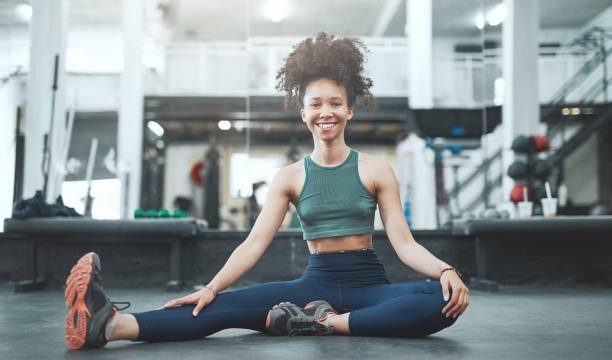
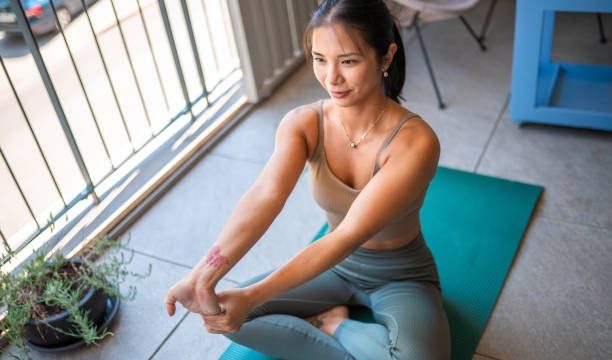
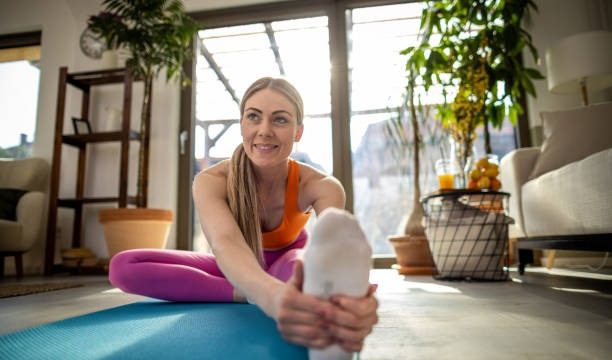
Physical flexibility can often reflect our emotional state. If you find yourself feeling tight or tense, it may be a signal from your body to slow down. Gentle stretching can be a wonderful way to reconnect with your physical self and release built-up tension. Consider incorporating simple stretches into your daily routine. You don’t need to be a yoga expert; even a few minutes of stretching can make a significant difference.
As you practice, pay attention to how your body feels. Are there areas that feel particularly stiff? Approach these areas with kindness, allowing yourself to breathe deeply and ease into the stretch. This mindful practice not only enhances physical flexibility but also encourages a deeper connection with your body.
Embracing movement as a joy
Flexibility in both body and mind can be nurtured through movement. Rather than viewing exercise as a chore, find ways to make it enjoyable. Dance, walk, swim, or try a new sport—whatever resonates with you. The key is to engage in activities that you genuinely enjoy. When movement feels like a joyful expression rather than a task, you’re more likely to stick with it and discover newfound flexibility.
Consider exploring different forms of movement. If you’ve always done traditional workouts, why not try a dance class or a martial art? These activities not only challenge your body in new ways but also encourage mental flexibility as you learn new skills. Engaging in varied forms of movement can keep your routine fresh and exciting.
Cultivating a mindful approach
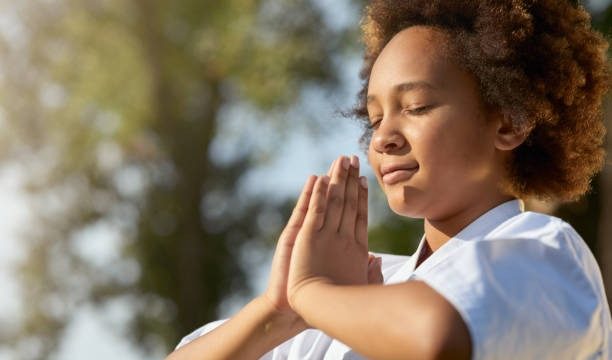
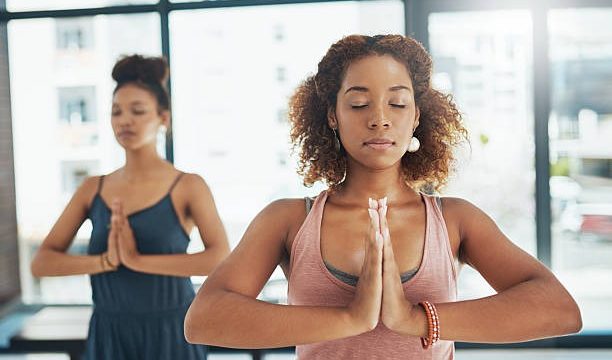
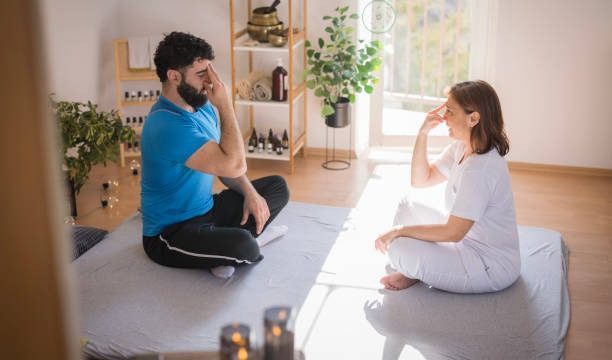
Mindfulness is a powerful tool for becoming more flexible in our thoughts and emotions. When we practice mindfulness, we learn to observe our thoughts and feelings without judgment. This awareness can help us respond to situations with greater ease and adaptability.
Incorporating mindfulness into your daily life can be as simple as taking a few moments to breathe deeply and center yourself. Whether you’re sipping your morning coffee or waiting in line, focus on the sensations around you. Notice the warmth of the cup in your hands or the sounds of the world around you. This practice helps cultivate a sense of presence, allowing you to navigate life’s changes with greater calmness.
Creating space for spontaneity
Flexibility thrives in an environment that embraces spontaneity. While routines provide structure, allowing for moments of spontaneity can invigorate your life. Try to leave some room in your schedule for unexpected adventures or unplanned activities. This doesn’t mean abandoning your commitments; rather, it’s about being open to new experiences that may arise.
Perhaps a friend invites you to a last-minute outing, or you discover a new café while running errands. Embrace these opportunities as they come. Each spontaneous moment can become a delightful memory, enriching your life and encouraging a more flexible mindset.
Nurturing emotional resilience
Emotional flexibility is just as important as physical adaptability. Life is filled with ups and downs, and how we respond to these fluctuations can greatly affect our overall well-being. To nurture emotional resilience, it can be helpful to cultivate self-compassion. Be gentle with yourself during challenging times, recognizing that it’s okay to feel a range of emotions.
Consider keeping a journal where you can express your thoughts and feelings. Writing can be a therapeutic outlet, allowing you to process experiences and gain clarity. Reflect on moments of change in your life and how you navigated them. This practice can remind you of your capacity to adapt and grow, reinforcing your emotional flexibility.
Building supportive connections
Surrounding yourself with supportive people can enhance your ability to be flexible. Engage with friends and family who encourage you to step outside your comfort zone and explore new possibilities. Sharing experiences with others fosters a sense of community and can inspire you to embrace change more readily.
Consider joining a group or class that aligns with your interests. Connecting with like-minded individuals can create a nurturing environment where flexibility and growth are celebrated. Whether it’s a book club, a hiking group, or a cooking class, these connections can enrich your life and provide a sense of belonging.
Setting realistic expectations
Sometimes, our desire to be flexible can lead to self-imposed pressure. It’s important to set realistic expectations for yourself. Understand that flexibility doesn’t mean you have to be adaptable in every situation. Give yourself permission to say no or to take a step back when needed.
Recognize that everyone has their limits, and that’s perfectly normal. Being kind to yourself during moments of rigidity allows you to recharge and approach challenges with renewed energy. Flexibility is a journey, and it’s okay to take it one step at a time.
In conclusion, becoming more flexible is a gradual process that requires patience and self-compassion. By embracing a mindset of openness, nurturing your body and mind, and fostering supportive connections, you can cultivate a more flexible lifestyle. Remember, flexibility is not just about bending; it’s about flowing with life’s changes and finding joy in the unexpected. As you embark on this journey, may you discover the beauty of adaptability and the freedom it brings.