Creating a serene and productive classroom environment can often feel like a daunting task.
Yet, with the right tools in hand, educators can foster an atmosphere that encourages learning while minimizing disruptions.
The journey toward effective classroom management is not about strict discipline but rather about nurturing a harmonious space where both teachers and students can thrive.
Here, we explore some gentle yet effective tools that can simplify classroom management.
A small shift toward balance
One of the most vital tools for successful classroom management is the use of technology. Various apps and platforms can help streamline communication and organization. Tools like ClassDojo or Google Classroom allow teachers to easily communicate with students and parents, share assignments, and monitor student progress. This not only keeps everyone informed but also helps build a sense of community. When students feel connected and engaged, they are more likely to take responsibility for their behavior and learning.
Another wonderful aspect of these platforms is their ability to provide real-time feedback. Teachers can quickly recognize students who are excelling or who may need a little extra support. This immediate acknowledgment fosters a positive classroom environment, where students feel valued and motivated to participate actively.
Creating a positive classroom culture
Beyond technology, establishing a positive classroom culture is essential for effective management. This can be achieved through simple practices such as setting clear expectations and fostering respect among students. When students understand the classroom rules and the rationale behind them, they are more likely to adhere to them. Incorporating discussions about values such as kindness, responsibility, and teamwork can nurture a supportive atmosphere.
In addition, incorporating rituals and routines can help students feel secure and grounded. Whether it’s starting each day with a morning meeting or ending with a reflection session, these practices create a sense of belonging. Students learn to anticipate what comes next, which can reduce anxiety and behavioral issues. The predictability of routines allows for smoother transitions between activities, making it easier for everyone to stay focused.
The power of collaboration
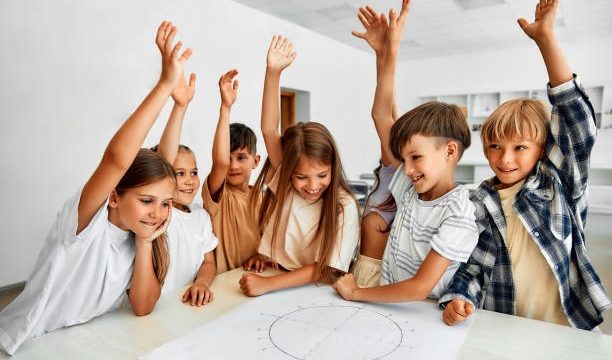
Collaboration is another key element in effective classroom management. Encouraging students to work together not only enhances their learning experience but also helps them develop essential social skills. Group activities, peer reviews, and collaborative projects can transform the classroom into a dynamic environment where students learn from one another.
Moreover, when students feel they have a voice in their learning, they are more likely to take ownership of their actions. Allowing them to contribute to class rules or to suggest topics for discussion can empower them. This sense of agency can significantly reduce behavioral issues as students become more invested in their classroom community.
Mindfulness as a management tool
Incorporating mindfulness practices into the classroom can also be a transformative approach to management. Simple techniques such as deep breathing exercises or short meditation sessions can help students center themselves and release pent-up energy. These practices not only enhance focus but also promote emotional well-being.
Creating a calm and peaceful classroom environment can be as simple as adjusting the lighting or introducing calming colors into the decor. Soft music or nature sounds can also help create a soothing atmosphere. When students feel relaxed, they are more likely to engage positively with their peers and the learning material.
The role of reflection
Reflection is a powerful tool in both teaching and learning. Encouraging students to think about their behavior and its impact on others can lead to greater self-awareness. Simple journal prompts or group discussions about feelings and experiences can enhance this reflective practice. When students take the time to consider their actions, they are more likely to make thoughtful choices in the future.
Teachers can also benefit from reflection. Taking a moment at the end of each day to consider what went well and what could be improved can provide valuable insights. This practice not only helps in personal growth but also allows educators to adapt their strategies to better meet the needs of their students.
Building strong relationships
At the heart of effective classroom management lies the importance of building strong relationships with students. Taking the time to get to know each student as an individual can make a significant difference. Simple gestures, such as greeting students at the door or engaging them in casual conversations, can create a welcoming atmosphere.
When students feel that their teacher understands and cares about them, they are more likely to respond positively to guidance. This connection fosters trust, and students are more inclined to engage in respectful behavior. Building relationships also extends to parents and guardians. Regular communication with families can strengthen the support system around each student, creating a more cohesive approach to learning and behavior management.
The art of flexibility
Flexibility in teaching approaches can also simplify classroom management. Every student is unique, and what works for one may not work for another. Being open to adjusting lesson plans or trying new strategies can create a more inclusive environment. When students see that their teacher is adaptable, they often feel more comfortable expressing their needs.
Additionally, allowing for some flexibility in classroom activities can keep students engaged. Providing choices in assignments or allowing for variations in group work can cater to different learning styles. This adaptability not only enhances student participation but also reduces the likelihood of behavioral issues arising from boredom or frustration.
Embracing the journey
Ultimately, effective classroom management is a continuous journey rather than a destination. By incorporating these tools and techniques, educators can create an environment that fosters learning and growth for all. It is about finding balance, embracing flexibility, and nurturing relationships. Every classroom is unique, and what works for one may differ for another. As teachers explore various strategies, they will discover what resonates best with their students.
As we navigate the complexities of education, it’s essential to remember that a calm and supportive classroom doesn’t just happen overnight. It requires patience, creativity, and a commitment to fostering a positive environment. With the right tools and mindset, educators can make classroom management not only manageable but also a rewarding aspect of their teaching journey.