Creating a nurturing and effective classroom environment is essential for both educators and students.
The right tools can significantly enhance daily experiences, making learning more engaging and enjoyable.
In this exploration, we’ll delve into various resources that can transform the classroom into a more dynamic space, fostering creativity and collaboration.
A gentle shift towards connection
One of the most impactful tools in any classroom is the power of connection. Digital platforms like Google Classroom and Seesaw allow teachers to create a bridge between home and school. They enable students to submit assignments, share projects, and communicate with their peers in a safe online space. These platforms not only streamline administrative tasks but also encourage collaboration, allowing students to work together on projects even when they’re apart. This sense of community can make a world of difference, especially for learners who thrive on interaction.
Incorporating technology thoughtfully
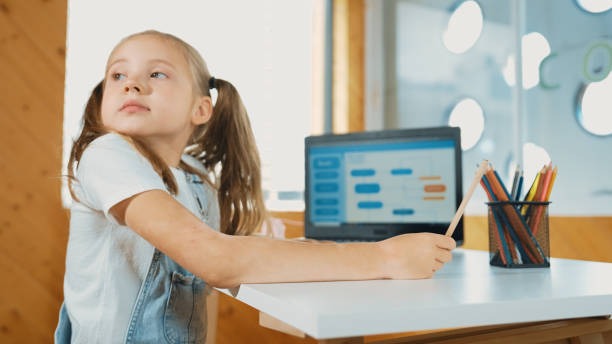
Technology has become a cornerstone of modern education, but it’s important to incorporate it in ways that enhance rather than distract. Interactive whiteboards and smart displays can bring lessons to life, allowing teachers to present information in captivating ways. Visual aids and multimedia presentations can engage various learning styles, helping students grasp complex concepts more easily. By using technology as a tool for exploration, educators can create an environment that sparks curiosity and encourages students to take ownership of their learning.
Fostering creativity through flexibility
Another essential aspect of a positive classroom experience is the physical environment itself. Flexible seating arrangements, such as bean bags, standing desks, or movable chairs, can create a more relaxed atmosphere. When students have the freedom to choose where and how they learn, they often feel more comfortable and engaged. This flexibility can cater to different learning preferences, allowing introverted students to find their space while encouraging extroverts to collaborate more freely. By nurturing a classroom that adapts to the needs of its occupants, educators can promote a sense of belonging and comfort.
Encouraging mindfulness and well-being
In the hustle and bustle of daily school life, it’s easy for students to become overwhelmed. Mindfulness practices can be a valuable addition to the classroom, offering students tools to manage stress and enhance focus. Simple techniques, such as guided breathing exercises or short meditation sessions, can help create a calm atmosphere. Incorporating mindfulness into the daily routine encourages students to pause and reflect, fostering emotional regulation and resilience. This small shift can lead to a more positive learning experience, allowing students to approach their studies with a clearer mind.
Building community through shared experiences
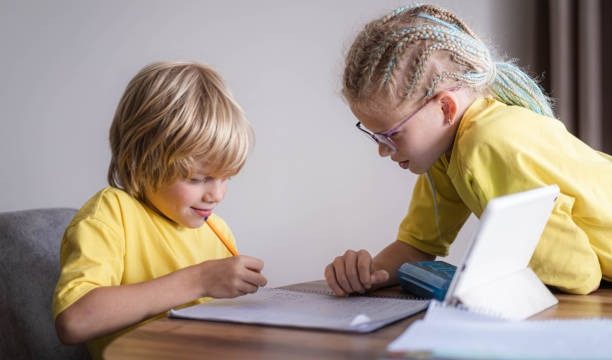
Creating a sense of community is crucial for a thriving classroom. Tools that facilitate collaboration and communication, such as group projects or peer mentoring programs, can strengthen relationships among students. When learners work together, they build trust and camaraderie, which can enhance their overall experience. Celebrating achievements, whether big or small, can also foster a supportive environment. Recognizing individual and group successes helps students feel valued and encourages them to strive for their best.
Nurturing curiosity with hands-on learning
Hands-on learning tools, such as science kits, art supplies, and interactive educational games, can significantly enrich the classroom experience. These resources allow students to explore concepts in a tangible way, making learning feel more relevant and exciting. When students can manipulate materials and engage in experiential learning, they often develop a deeper understanding of the subject matter. Encouraging exploration and experimentation nurtures curiosity, leading to a love of learning that lasts a lifetime.
Creating a reflective practice
Reflection is a powerful tool for growth, both for students and educators. Journals or digital portfolios can provide a space for students to express their thoughts and feelings about their learning journey. By reflecting on their experiences, students can identify areas for improvement and celebrate their achievements. For educators, maintaining a reflective practice can lead to continuous growth and adaptation in teaching methods. This commitment to self-improvement can inspire students to adopt a similar mindset, fostering a culture of lifelong learning.
Enhancing communication with parents
Strong communication between teachers and parents is vital for supporting student success. Tools like ClassDojo or Remind facilitate regular updates and feedback, helping to keep parents informed and engaged in their child’s education. When parents are involved, students often feel more supported and motivated. This partnership creates a nurturing environment that extends beyond the classroom, reinforcing the importance of collaboration in a student’s educational journey.
Embracing diversity and inclusion
Creating an inclusive classroom that celebrates diversity is essential for a positive learning environment. Resources that highlight different cultures, perspectives, and experiences can enrich discussions and broaden students’ understanding of the world. Books, videos, and guest speakers can provide valuable insights, fostering empathy and respect among peers. When students see themselves reflected in the curriculum, they are more likely to engage and participate actively, leading to a richer classroom experience for everyone.
Inspiring a love for reading
Reading is a foundational skill that opens doors to countless opportunities. Tools like digital libraries or audiobooks can make literature more accessible and enjoyable for students. Incorporating a variety of genres and formats can cater to diverse interests and reading levels. By creating a culture that values reading, educators can inspire a lifelong love for literature, encouraging students to explore new worlds and ideas.
As we reflect on the myriad of tools available to enhance classroom experiences, it’s clear that the goal is to foster an environment where students feel valued, engaged, and inspired. By thoughtfully integrating technology, promoting connection, and embracing diversity, educators can create a nurturing space that supports the holistic development of every learner. In this journey, the tools we choose to implement become more than just resources; they become catalysts for growth, curiosity, and a lifelong love of learning.