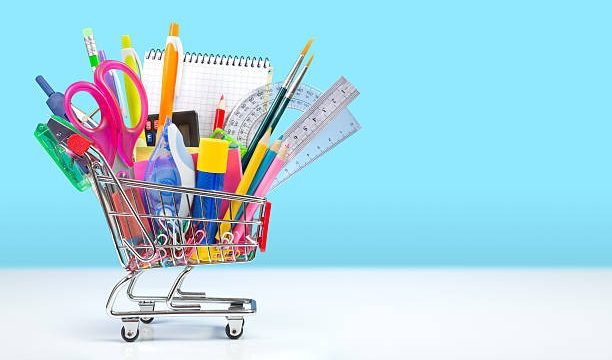
In today’s educational landscape, the classroom has evolved into a vibrant hub of creativity and engagement.
Traditional methods of teaching, while still valuable, are often complemented by innovative tools that encourage students to explore, collaborate, and think critically.
This shift towards interactive learning not only makes lessons more enjoyable but also enhances retention and understanding.
Let’s delve into some delightful tools that can transform a standard classroom into an engaging learning environment.
Creating a dynamic atmosphere in the classroom begins with the right tools. Technology has opened up a world of possibilities, allowing educators to incorporate multimedia resources that cater to different learning styles. For instance, interactive whiteboards have become staples in modern classrooms. These boards do more than display information; they invite participation. Students can come up to the board to solve problems, draw diagrams, or even conduct virtual experiments. This tactile involvement helps students feel more connected to the material, fostering a sense of ownership over their learning.
In addition to interactive whiteboards, tablets and laptops are invaluable in promoting interactive learning. With a wealth of educational apps at their fingertips, students can engage with content in ways that resonate with their interests. Whether it’s through gamified learning platforms or collaborative projects using cloud-based tools, technology empowers students to take charge of their education. Teachers can guide them in navigating these resources, encouraging independent exploration while also providing support when needed.
Beyond technology, group activities play a significant role in creating an interactive classroom environment. Projects that require teamwork not only build important social skills but also allow students to learn from one another. When students collaborate, they share diverse perspectives and approaches to problem-solving. This collaborative spirit fosters a sense of community, making the classroom feel more like a safe space for exploration. Activities like group presentations or peer teaching can be particularly effective, as they encourage students to articulate their understanding in ways that deepen their grasp of the subject matter.
A gentle shift toward experiential learning can also be beneficial. Field trips, whether virtual or in-person, provide students with real-world experiences that connect classroom lessons to the outside world. For example, a visit to a local museum can bring history to life, while a science field trip might involve hands-on experiments in nature. These experiences create lasting memories and can ignite a passion for learning that extends beyond the classroom walls.
Incorporating art and creativity into lessons can further enhance interactivity. Creative projects, such as building models, crafting visual presentations, or even integrating music and drama into lessons, allow students to express their understanding in unique ways. These activities not only make learning enjoyable but also cater to various talents and interests within the classroom. When students see their creativity valued, they are more likely to engage wholeheartedly with the material.
Another subtle yet effective approach is the use of learning stations. By setting up different areas in the classroom, each focused on a specific activity or skill, teachers can facilitate a more personalized learning experience. Students can rotate through these stations, allowing them to engage with the content in various ways. This method caters to different learning preferences, enabling students to work at their own pace while still benefiting from the collaborative environment.
Moreover, incorporating mindfulness practices can create a calm and focused atmosphere conducive to interactive learning. Simple activities like guided breathing exercises or brief moments of reflection can help students center themselves, making them more receptive to new information. When students feel grounded, they are better equipped to participate actively and contribute to discussions and group work.
As we explore these tools and methods, it’s important to remember the role of the teacher as a facilitator. The most effective classrooms are those where educators encourage curiosity and foster a love for learning. By creating an environment where questions are welcomed and exploration is encouraged, teachers can inspire students to become lifelong learners. This nurturing approach not only cultivates academic success but also supports emotional and social development.
Assessment also plays a crucial role in interactive learning. Traditional testing methods can often feel daunting and may not accurately reflect a student’s understanding. Instead, incorporating formative assessments—like peer reviews, self-assessments, or project-based evaluations—can provide a more holistic view of a student’s progress. These methods encourage students to reflect on their learning journey and identify areas for growth, fostering a mindset of continuous improvement.
In conclusion, the tools and approaches available for creating fun and interactive learning experiences are diverse and ever-evolving. By embracing technology, promoting collaboration, and incorporating creative and experiential learning opportunities, educators can transform their classrooms into dynamic spaces where students thrive. As we navigate the complexities of education, let us remember the importance of fostering curiosity, creativity, and connection. After all, learning is not just about acquiring knowledge—it’s about nurturing a love for discovery that lasts a lifetime.