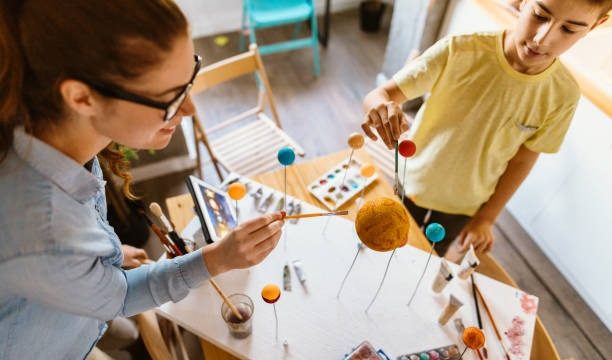
In a world that often feels fast-paced and overwhelming, nurturing the creative spirit in our children can be a gentle and rewarding journey.
Educational art serves as a bridge to connect young minds with their emotions, thoughts, and the world around them.
As parents and caregivers, we can create an environment that encourages exploration, self-expression, and learning through art, allowing children to grow not just as artists, but as well-rounded individuals.
Art as a Vehicle for Learning
At its core, art education is about more than just creating pretty pictures. It provides children with a platform to explore their feelings, develop critical thinking skills, and enhance their understanding of various subjects. When children engage in artistic activities, they learn to observe, interpret, and express their thoughts in unique ways. Whether it’s through painting, sculpting, or drawing, each medium offers a different avenue for discovery.
Engaging with art also helps develop fine motor skills. Simple actions like holding a paintbrush or cutting paper require coordination and control, which are essential skills for everyday tasks. As children manipulate materials, they gain confidence in their abilities, paving the way for a sense of accomplishment that can influence other areas of their lives.
A small shift toward balance
Incorporating art into daily routines can be a delightful addition to family life. Setting aside time for creative activities allows children to unwind and express themselves, fostering a sense of balance amid the hustle and bustle of everyday responsibilities. This could be as simple as a weekend painting session in the backyard or an evening of crafting with recycled materials. These moments not only encourage creativity but also strengthen family bonds.
Creating a designated art space in your home can further enhance this experience. This space doesn’t need to be elaborate; a small table with art supplies easily accessible can ignite a child’s imagination. The key is to make it inviting and open-ended, allowing children to explore their creativity freely. You might find that your little ones are eager to dive into projects, discovering new interests along the way.
The Role of Imagination
Art education fosters a rich imaginative landscape. When children engage in creative activities, they are invited to dream and think beyond the ordinary. This imaginative play is a crucial aspect of cognitive development, encouraging children to visualize scenarios, solve problems, and make connections. It nurtures a sense of wonder and curiosity about the world.
Encouraging imaginative play through art can be as simple as asking open-ended questions while they create. What story does this painting tell? How does this sculpture make you feel? Such inquiries invite children to articulate their thoughts and engage in deeper conversations about their work. This practice not only boosts their self-esteem but also enhances their verbal skills and critical thinking.
Art and Emotional Intelligence
Art is a powerful tool for emotional expression. For many children, words may not fully capture their feelings, but colors, shapes, and textures can convey emotions in ways that language sometimes cannot. Engaging in creative activities allows children to process their thoughts and feelings, providing a healthy outlet for self-expression.
Encouraging children to create art based on their emotions can lead to profound conversations about feelings and experiences. This practice can help them develop emotional intelligence, fostering empathy and understanding both for themselves and others. As they learn to express their emotions through art, they may find it easier to navigate complex social situations and build meaningful relationships.
Incorporating Diverse Art Forms
Art education is not limited to traditional mediums like painting and drawing. Exploring diverse forms of art can enrich a child’s understanding of culture and history. Consider introducing them to music, dance, theater, or even digital art. Each medium offers unique perspectives and techniques, broadening their horizons and inviting them into a world of endless possibilities.
Visiting local art galleries, museums, or cultural events can further enhance this experience. Exposure to a variety of artistic expressions encourages appreciation for different styles and traditions. This not only nurtures creativity but also cultivates an understanding of diversity and inclusivity, essential values in today’s world.
Fostering a Lifelong Love for Art
As children engage in art, they may develop a lifelong passion for creative expression. Encouraging this interest can lead to numerous benefits throughout their lives. Art can serve as a form of relaxation and a way to cope with stress, providing a healthy outlet for emotions as they grow into adulthood.
Creating a culture of appreciation for art within the family can have lasting effects. Attend art classes together, explore new techniques, or simply enjoy art-related activities as a family. The memories created through these shared experiences will not only enrich your relationships but also instill a deep appreciation for creativity in your children.
As we nurture the growing minds of our children, it’s essential to recognize the profound impact of educational art. By providing opportunities for creative expression, we can help them develop essential life skills, emotional intelligence, and a sense of wonder about the world. Art is a journey that invites exploration, encourages imagination, and fosters connections—both with oneself and with others.
In this ever-changing world, let us cherish the moments spent creating, sharing, and discovering through art, allowing our children to flourish in a nurturing environment that celebrates their unique perspectives and talents. In doing so, we not only help them grow as artists but also as compassionate, thoughtful individuals ready to embrace the world around them.