In the hustle and bustle of academic life, students often find themselves caught in a whirlwind of deadlines, exams, and endless assignments.
With so much focus on grades and performance, it can be easy to overlook the importance of physical fitness.
However, research and anecdotal evidence suggest that there is a profound connection between fitness and academic success, one that deserves our attention.
When we think about fitness, we often picture hours spent in the gym or running on a track, but the essence of fitness extends far beyond that. It encompasses a lifestyle that promotes not only physical health but also mental clarity, emotional stability, and social interaction. All these elements come together to create a foundation for academic achievement.
One of the most compelling aspects of regular physical activity is its ability to enhance cognitive function. Engaging in fitness activities, whether it’s a brisk walk, a yoga session, or a team sport, has been shown to boost memory, improve concentration, and increase overall brain performance. The increase in blood flow to the brain during exercise helps to nourish brain cells and improve their function, which translates into better focus during lectures and more efficient studying.
Moreover, exercise can be a powerful stress relief tool. Academic pressures can lead to feelings of anxiety and overwhelm, which can hinder performance and motivation. Incorporating regular physical activity into a student’s routine can provide a much-needed outlet for stress. The release of endorphins during exercise creates a sense of happiness and well-being, making it easier to tackle the challenges of academic life with a positive mindset.
A small shift toward balance can make a significant difference in a student’s life. Instead of viewing fitness as an additional chore or a time-consuming commitment, it can be integrated into a daily routine in simple, enjoyable ways. A quick morning jog, a dance class with friends, or even a walk between classes can help create a rhythm that balances both physical and academic pursuits. This balance fosters a sense of accomplishment and enhances overall well-being.
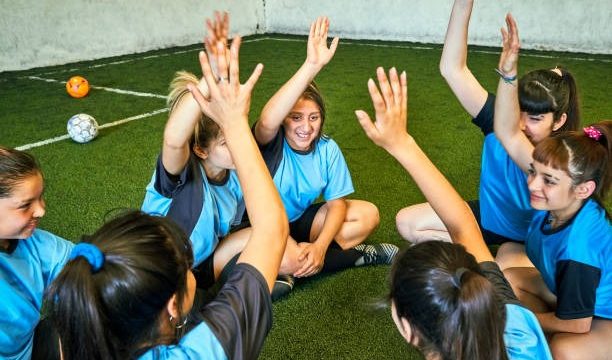
Social interaction is another vital aspect of both fitness and academic success. Participating in group exercises or team sports can help students forge connections and build friendships, providing them with a support system that is invaluable during stressful times. These social bonds can lead to increased motivation and accountability, encouraging students to maintain their fitness routines while also thriving academically. The camaraderie found in these activities often spills over into the classroom, fostering a collaborative learning environment.
In addition to the social benefits, the discipline cultivated through regular exercise can transfer to academic pursuits. Committing to a fitness routine requires dedication, time management, and goal-setting skills, all of which are essential for academic success. Students who learn to prioritize their physical health often find it easier to apply the same principles to their studies. The ability to set goals and work steadily towards them is a skill that will serve students well throughout their educational journey and beyond.
In recent years, educational institutions have started to recognize the importance of fitness in academic performance. Many schools and universities are now incorporating physical education and wellness programs into their curricula, emphasizing the connection between a healthy lifestyle and academic success. These initiatives aim to create a holistic educational experience that nurtures both the mind and body.
For students who might feel overwhelmed by the idea of fitting exercise into their busy schedules, it’s important to remember that fitness doesn’t have to be an all-or-nothing endeavor. Small, consistent changes can lead to significant improvements over time. Finding activities that are enjoyable and engaging can transform exercise from a task into a rewarding aspect of daily life. Whether it’s joining a dance class, hiking with friends, or simply taking a few minutes each day to stretch, the key is to find what resonates personally.
As we explore the connection between fitness and academic success, it becomes clear that the two are not mutually exclusive. By fostering a lifestyle that incorporates regular physical activity, students can enhance their cognitive abilities, relieve stress, build social connections, and develop important life skills. The journey toward academic achievement can be much more enjoyable and fulfilling when it is accompanied by a commitment to fitness.
Ultimately, the relationship between fitness and academic success is a reminder that our well-being should be approached holistically. Prioritizing physical health is not just about improving grades; it’s about cultivating a fulfilling and balanced life. As students navigate their educational paths, embracing fitness as a vital component of their routine can lead to lasting benefits that extend far beyond the classroom.
In conclusion, the connection between fitness and academic success is a powerful one. By recognizing the benefits of physical activity and incorporating it into daily life, students can create a harmonious balance that supports their educational goals. Fitness is not merely an extra task on a long to-do list; it is an essential part of a thriving academic journey. So, as you embark on your studies, consider how a little movement can go a long way in enriching your experience and paving the way for success.