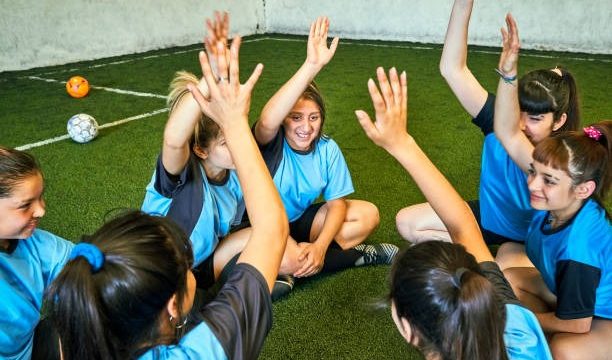
Engaging in extracurricular activities is a wonderful way for individuals, especially young people, to explore their interests and develop essential life skills.
Beyond the fun and excitement, these activities often instill a sense of responsibility that can last a lifetime.
Responsibility is a key attribute that shapes character and influences success in various aspects of life.
Here, we will explore some extracurricular activities that naturally encourage this vital trait.
A small shift toward balance
One of the most rewarding extracurricular activities is participating in team sports. Whether it’s soccer, basketball, or swimming, sports require individuals to work together toward a common goal. Each team member plays a specific role, which fosters accountability. When someone fails to show up for practice or neglects their responsibilities, it affects the entire team. This teaches young athletes the importance of commitment and the impact of their actions on others. Through the ups and downs of competition, they learn resilience and the value of supporting one another, which cultivates a strong sense of responsibility both on and off the field.
Another enriching avenue is volunteering. Engaging in community service offers a unique opportunity to contribute to society while developing a sense of ownership over one’s actions. Whether it’s helping at a local food bank, participating in a cleanup drive, or tutoring younger students, volunteering encourages individuals to consider the needs of others. This outward focus helps cultivate empathy and a deeper understanding of one’s role in the community. As volunteers take on tasks and see the direct impact of their efforts, they learn that responsibility extends beyond themselves, nurturing a habit of caring for those around them.
Exploring creative outlets
The world of performing arts, such as theater or music, also encourages responsibility in a beautifully unique way. Whether one is acting in a play or playing in a band, these activities require dedication and teamwork. Each participant must learn their lines, practice their instrument, or contribute to choreography, all while being mindful of their fellow performers. The rehearsal process teaches commitment and time management, as individuals must balance practice with other responsibilities in their lives. Moreover, the thrill of a live performance reinforces the importance of preparation and reliability, as every person’s contribution is vital to the overall success of the production.
In addition to the performing arts, visual arts can also foster responsibility. Participating in art clubs or classes encourages individuals to set goals for their projects and commit to seeing them through to completion. The process of creating art often involves deadlines, whether for a gallery submission or an exhibition. This aspect teaches young artists to manage their time effectively and take ownership of their work. Moreover, sharing their creations with peers can instill a sense of pride and accountability, as they learn to value their contributions and the feedback from others.
Navigating the world of academics
Academic clubs, such as debate teams or science clubs, present another avenue for developing responsibility. These groups often require members to prepare extensively for competitions or presentations, which cultivates a sense of discipline. In debate, for example, members must research topics and articulate their arguments clearly, while in science clubs, students might need to collaborate on experiments or projects. This collaborative learning environment encourages participants to be accountable for their contributions and to support one another in achieving common academic goals.
Student government also offers a profound opportunity for young individuals to take on responsibilities. Running for a position, campaigning, and fulfilling the duties of an elected role can be an eye-opening experience. Students learn about leadership, decision-making, and the importance of representing their peers’ interests. This experience not only fosters a sense of responsibility but also empowers individuals to be active participants in their school and community.
A journey of self-discovery
Outdoor activities, such as scouting or hiking clubs, can also nurture responsibility through adventure and exploration. In scouting, for instance, participants learn survival skills, first aid, and teamwork. These experiences often require individuals to take responsibility for their safety and the well-being of their peers. Additionally, outdoor challenges encourage participants to push their limits, fostering a sense of achievement and confidence that comes from overcoming obstacles together.
Engaging with nature through clubs focused on environmental stewardship can also inspire a sense of responsibility. Activities that involve conservation efforts, such as tree planting or habitat restoration, help individuals recognize their role in protecting the planet. This awareness often translates into a lifelong commitment to sustainability and a sense of duty to care for the environment.
Creating a supportive community
Lastly, the importance of mentorship and peer support in extracurricular activities cannot be overstated. Whether in sports, arts, or academics, having mentors or older peers can guide younger members in recognizing the significance of responsibility. Mentorship fosters a nurturing environment where individuals learn from one another’s experiences, reinforcing the idea that responsibility is a shared journey.
As we reflect on the various extracurricular activities that encourage responsibility, it’s clear that each offers unique lessons and experiences. The beauty of these activities lies in their ability to shape character and instill values that extend far beyond the immediate setting. Whether through teamwork in sports, commitment in the arts, or leadership in student government, young individuals are given the opportunity to grow, learn, and appreciate the importance of responsibility.
In our fast-paced world, taking the time to engage in these enriching activities can create a meaningful balance in life. By embracing opportunities that encourage responsibility, we not only nurture our own growth but also contribute positively to our communities. So, whether you’re a student, a parent, or simply someone looking to explore new interests, consider the potential of extracurricular activities to foster a sense of responsibility that will last a lifetime.