In today’s fast-paced world, students often find themselves juggling numerous responsibilities.
Between classes, homework, and social commitments, it can be challenging to maintain focus and productivity.
One effective yet often overlooked solution lies in the realm of athletics.
Engaging in physical activity not only promotes health but also significantly enhances students’ ability to concentrate. Let’s explore how athletics can serve as a powerful tool for students seeking to improve their focus and overall well-being.
A small shift toward balance
When students participate in athletics, they embark on a journey that encourages balance in their lives. Physical activity provides an essential outlet for stress, allowing students to release pent-up energy and emotions. This release can translate into improved mental clarity. After a vigorous workout or a friendly game of basketball, many find that their minds are clearer and more receptive to learning. This is because physical activity stimulates the production of endorphins, the body’s natural mood lifters. A little movement can lead to a significant shift in perspective, making it easier to tackle academic challenges.
Creating structure and routine
Incorporating athletics into a student’s daily life can help establish a sense of structure and routine. Whether it’s a morning run, an after-school practice, or weekend games, these regular commitments can provide students with a framework that organizes their time. This structure is vital, as it encourages discipline and time management skills. Students learn to prioritize their commitments, balancing their academic responsibilities with their athletic pursuits. Such a routine fosters a sense of accountability, making it less likely for students to procrastinate on their studies.
The power of teamwork and social connection
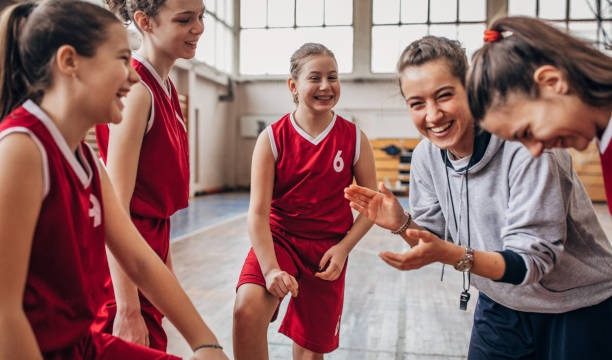
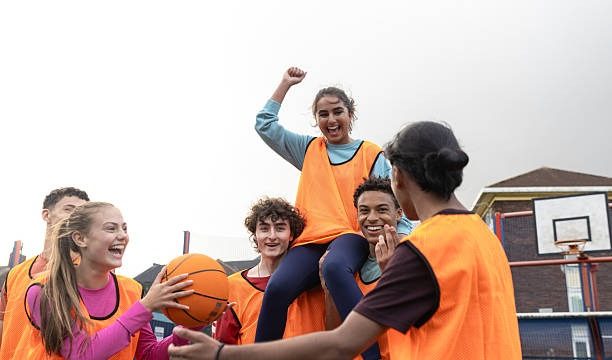
Athletics often involve teamwork, and participating in team sports can have profound effects on a student’s focus and concentration. When students work together towards a common goal, they learn the value of collaboration and communication. These experiences not only strengthen bonds among peers but also create a supportive environment where students feel encouraged to express themselves. The camaraderie built through athletics can lead to increased motivation in academic settings as well. Students who feel connected to their peers are more likely to engage in class discussions and collaborate on projects, enhancing their overall focus and learning experience.
Mindfulness through movement
Engaging in physical activity can also serve as a form of mindfulness. Many athletes find that the rhythm of their movements—be it running, swimming, or dancing—allows them to enter a meditative state. This state of flow can help quiet racing thoughts and distractions, leading to improved focus. By concentrating on their physical performance, students can momentarily set aside academic pressures and anxieties. This practice of mindfulness can be a powerful antidote to the stressors that often accompany student life.
Fostering resilience and perseverance
Athletics instill qualities such as resilience and perseverance. These traits are invaluable when it comes to maintaining focus in academics. When students face challenges in sports, they learn to push through difficulties and setbacks. This mindset can be directly applied to their studies. The ability to tackle academic obstacles with the same determination they exhibit in sports can lead to a more focused approach to learning. Students who cultivate resilience through athletics are often better equipped to handle the ups and downs of academic life, allowing them to stay engaged and concentrated even when faced with hurdles.
Enhancing cognitive function
Research suggests that regular physical activity can enhance cognitive function, which is essential for effective learning. Exercise increases blood flow to the brain, promoting the growth of new neurons and improving overall brain health. This boost in cognitive function can lead to better memory retention and sharper focus during study sessions. Students who engage in athletics may find it easier to absorb information and apply it in practical contexts. The synergy between physical activity and cognitive performance creates an environment conducive to learning, making it easier for students to stay on task.
Setting goals and celebrating achievements
Athletics encourage goal-setting, whether it’s aiming for a personal best, winning a game, or simply improving skills. Setting these goals can help students develop a growth mindset, recognizing that progress often requires effort and dedication. Celebrating achievements, no matter how small, fosters a sense of accomplishment that can spill over into academic pursuits. When students experience the satisfaction of reaching their athletic goals, they may feel more motivated to apply the same determination to their studies, enhancing their focus and drive.
A holistic approach to well-being
Ultimately, athletics promote a holistic approach to well-being. By engaging in regular physical activity, students are not only enhancing their physical health but also nurturing their mental and emotional states. This comprehensive approach can lead to a more balanced life, where focus is not just about academic performance but encompasses overall happiness and fulfillment. Students who prioritize their well-being through athletics are often more resilient, adaptable, and capable of navigating the demands of student life.
Incorporating athletics into a student’s routine can offer a multitude of benefits that extend far beyond the physical realm. From fostering focus and discipline to building resilience and social connections, the impact of athletics on students’ lives is profound. As they learn to balance their commitments and celebrate their achievements, students can cultivate a mindset that enhances not only their academic performance but their overall quality of life.
In a world that often feels overwhelming, athletics can serve as a guiding light, helping students stay focused, connected, and engaged. By embracing the power of movement, students can unlock their potential and approach their studies with renewed energy and clarity. So, whether it’s a casual jog, a spirited soccer match, or a dance class, encouraging students to participate in athletics may just be the key to helping them thrive in all aspects of their lives.