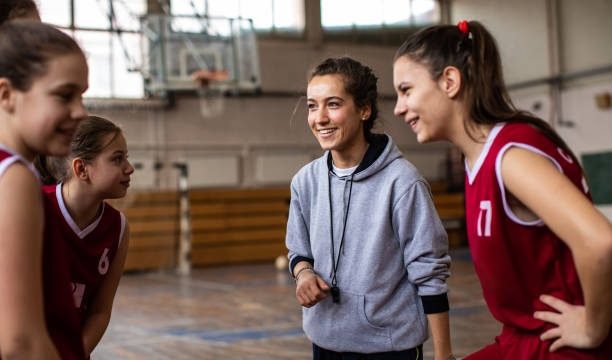
Athletics programs have a unique ability to transform the lives of young people, nurturing not only their physical abilities but also fostering a sense of community and personal growth.
As we delve into the myriad ways these programs empower youth, we can appreciate the holistic benefits that extend far beyond the track or field.
Fostering a sense of belonging
One of the most significant gifts that athletics programs provide is a sense of belonging.
For many young individuals, participating in sports offers a supportive environment where they can connect with peers who share similar interests. The camaraderie developed among teammates often leads to lasting friendships, creating a network of support that can be invaluable during the tumultuous teenage years. This sense of community helps to build self-esteem and confidence, as young people learn that they are part of something greater than themselves.
Encouraging discipline and resilience
Engagement in athletics also cultivates essential life skills such as discipline and resilience. Training for competitions requires a level of commitment that teaches young athletes the importance of setting goals and working diligently to achieve them. They learn to push through challenges, whether it’s overcoming a setback or persevering through difficult practice sessions. These experiences instill a sense of resilience that can be applied in various aspects of life, preparing young people to face obstacles with a determined mindset.
Promoting physical health and wellness
In addition to the social and emotional benefits, athletics programs play a crucial role in promoting physical health. Regular physical activity is vital for developing strong bodies and maintaining overall well-being. Participation in sports encourages young people to adopt healthier lifestyles, fostering habits that can last a lifetime. They learn about the importance of nutrition, fitness, and self-care, which can positively impact their physical and mental health as they grow.
A small shift toward balance
Finding balance is a crucial lesson that young athletes often learn through their involvement in sports. Juggling academics, training, and personal life can be challenging, but it also teaches the importance of time management and prioritization. Young people discover how to allocate their time effectively, ensuring that they can pursue their passions while still fulfilling their responsibilities. This skill becomes increasingly important as they transition into adulthood, equipping them to handle the complexities of life beyond their school years.
Building leadership skills
Athletics programs often provide opportunities for young people to step into leadership roles, whether as team captains or mentors for younger athletes. These experiences allow them to develop vital leadership skills, such as communication, empathy, and decision-making. Learning how to inspire and motivate others is an invaluable asset, and these skills can translate into various areas of their lives, including academics and future careers.
Nurturing mental well-being
In today’s fast-paced world, mental health has become an increasingly important topic, particularly for young individuals navigating the pressures of school and social life. Athletics programs offer a constructive outlet for stress and anxiety, allowing young people to channel their emotions into physical activity. The endorphins released during exercise can elevate mood and promote a sense of well-being. Moreover, being part of a team can provide emotional support and a safe space to express feelings, contributing positively to mental health.
Cultivating a sense of achievement
The thrill of competition and the pursuit of personal bests can instill a profound sense of achievement in young athletes. Whether they win a race, score a goal, or simply improve their performance, these moments of success reinforce a growth mindset. They learn that hard work and dedication can lead to tangible results, which can empower them to strive for excellence in all areas of their lives. Celebrating these achievements, both big and small, fosters a sense of pride and accomplishment that can boost self-confidence.
Encouraging inclusivity and diversity
Athletics programs often bring together individuals from diverse backgrounds, fostering an atmosphere of inclusivity. This diversity enriches the experience for all participants, as they learn from one another’s unique perspectives and experiences. By working together towards a common goal, young people develop an appreciation for teamwork and collaboration, which are essential skills in an increasingly interconnected world. This exposure to different cultures and ideas can help cultivate empathy and understanding, preparing them for a diverse society.
Inspiring lifelong passion for fitness
Perhaps one of the most enduring impacts of athletics programs is the inspiration they provide for a lifelong commitment to fitness. Many young athletes develop a passion for physical activity that continues well into adulthood. This love for movement not only contributes to long-term health benefits but also serves as a foundation for a balanced lifestyle. Engaging in regular exercise can become a natural part of their routine, fostering habits that promote well-being for years to come.
As we reflect on the many ways athletics programs empower young people, it is clear that the benefits extend far beyond the physical realm. From nurturing self-confidence and resilience to fostering a sense of community and belonging, these programs play a vital role in shaping well-rounded individuals. The lessons learned on the field or court often become lifelong skills, equipping young people to navigate the challenges of life with grace and determination.
In a world that can sometimes feel overwhelming, athletics programs offer a beacon of hope and empowerment. They remind us of the joy of movement, the strength of community, and the power of perseverance. As we support and encourage young athletes, we can take pride in knowing that we are helping to shape the leaders of tomorrow.