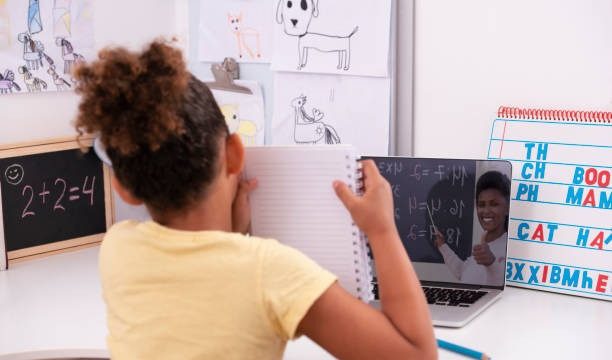
In a world brimming with distractions, students often find themselves in a whirlwind of information, trying to make sense of what they learn.
Amidst the chaos, one timeless study tool has managed to hold its ground: flashcards.
These simple yet powerful learning aids can transform the way students engage with their studies, paving the way for better results and a more enjoyable learning experience.
A gentle introduction to flashcards
Flashcards have been around for centuries, and their appeal lies in their simplicity. They consist of a small piece of paper with a question, term, or concept on one side and the answer or explanation on the other. This straightforward format makes them incredibly versatile and easy to use, whether you’re cramming for an exam or trying to grasp a new language. The beauty of flashcards is that they can cater to almost any subject, from mathematics to history, making them a valuable tool for students of all ages.
Creating your own flashcards can be a delightful experience. The very act of writing down information helps solidify your understanding, and personalizing your cards with colors or drawings can add an extra layer of engagement. This creative process not only makes studying more enjoyable, but it also reinforces the material in your mind.
Finding your rhythm with repetition
One of the core principles behind the effectiveness of flashcards is the concept of spaced repetition. This technique encourages learners to review information at gradually increasing intervals, which helps to cement the knowledge in long-term memory. By revisiting flashcards over time, students can reinforce what they’ve learned, making it easier to recall information when needed.
Setting aside a few minutes each day to practice with flashcards can be a game changer. Instead of cramming the night before an exam, incorporating flashcards into your daily routine allows for a more relaxed and effective study experience. This small shift can lead to a significant improvement in retention and understanding, ultimately leading to better academic results.
Connecting concepts for deeper understanding
Flashcards are not just about rote memorization; they can also facilitate deeper understanding. By creating cards that connect related concepts, students can begin to see the bigger picture. For example, in a history class, a student might make a flashcard for a significant event and another for its causes and consequences. This interconnected approach helps to build a more comprehensive understanding of the subject matter.
Additionally, discussing flashcards with peers can enhance this learning process. When students explain concepts to one another, they reinforce their understanding while also gaining new perspectives. It’s a wonderful way to make studying a collaborative effort rather than a solitary task. Engaging with classmates not only enriches the learning experience but also fosters a sense of community, which can be incredibly motivating.
The power of visualization
For many students, visualizing information can be a key to unlocking better understanding. Flashcards can easily be adapted to incorporate images, diagrams, or charts. These visual elements can serve as powerful memory aids, making it easier to recall information during exams or discussions.
For example, a student studying biology might create a flashcard featuring a diagram of a cell alongside its various components. The visual representation not only makes the card more engaging but also helps students associate the information with a mental image, which can be more memorable than words alone.
Making flashcards part of your lifestyle
Integrating flashcards into your daily routine doesn’t have to feel like a chore. In fact, it can become a delightful habit that enhances your overall lifestyle. Consider carrying a few flashcards with you throughout the day. Whether you’re waiting for a friend, commuting, or taking a break between classes, these small moments can be perfect for a quick review session.
Incorporating flashcards into your life can also serve as a gentle reminder to prioritize your learning journey. It’s a way to engage with your studies in a low-pressure environment, allowing you to absorb information at your own pace. Over time, this consistent practice can lead to a profound transformation in your academic performance.
Celebrating small victories
As you embark on your flashcard journey, it’s important to celebrate the small victories along the way. Every time you successfully recall a piece of information or grasp a challenging concept, take a moment to acknowledge your progress. This practice of self-affirmation can boost your confidence and motivation, encouraging you to continue pushing forward.
Moreover, sharing your achievements with friends or family can create a supportive network that celebrates your dedication to learning. This sense of community can be incredibly uplifting and can help you stay focused on your goals.
A balanced approach to studying
While flashcards can be an invaluable tool, it’s essential to maintain a balanced approach to studying. Relying solely on one method can lead to burnout or frustration. Incorporating a variety of study techniques, such as group discussions, practice tests, or hands-on activities, can keep your learning experience fresh and engaging.
Remember to take breaks and allow yourself time to recharge. A well-rested mind is far more effective than one that’s fatigued. By nurturing your well-being alongside your academic pursuits, you’ll create a sustainable path toward better results.
As you embark on your journey with flashcards, embrace the simplicity and joy they can bring to your studies. By creating, reviewing, and connecting with the knowledge you’re building, you’ll find yourself not only achieving better results but also fostering a deeper appreciation for the learning process. It’s a small shift that can lead to significant rewards, both academically and personally.