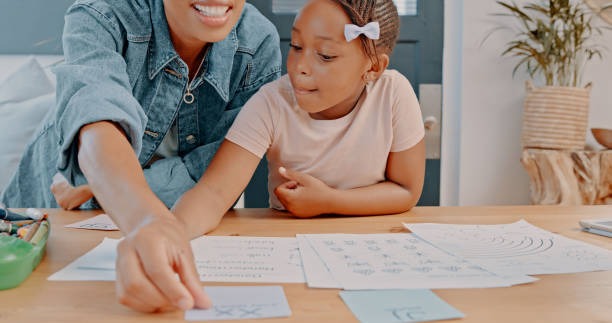
Creating a supportive classroom environment is essential for nurturing the minds and hearts of students.
When children feel safe, respected, and engaged, they are more likely to thrive academically and socially.
In this exploration of tools that can foster such an environment, we’ll discover various resources and strategies that can make a difference, all while promoting a sense of community and belonging.
A gentle approach to communication
One of the most powerful tools in a supportive classroom is effective communication. Establishing a culture of open dialogue encourages students to express their thoughts and feelings freely. Teachers can model this behavior by using active listening techniques, which involve giving full attention to the speaker, nodding in understanding, and responding thoughtfully. This not only validates students’ feelings but also teaches them how to engage in respectful conversations.
Incorporating regular check-ins can further enhance this communication. By dedicating a few minutes each day for students to share their experiences or emotions, teachers create a safe space for expression. Whether it’s through a simple “how are you feeling today?” or a more structured sharing session, these moments build trust and encourage students to support one another.
Creating a sense of belonging
An inclusive classroom is one where every student feels valued. To cultivate this sense of belonging, teachers can utilize various tools that promote diversity and encourage collaboration. For instance, incorporating multicultural literature into the curriculum not only broadens students’ perspectives but also helps them see themselves reflected in the stories they read. This fosters empathy and understanding, allowing students to appreciate their differences and similarities.
Group activities are another effective way to build community. When students work together on projects or engage in team-building exercises, they learn to rely on one another, creating bonds that extend beyond the classroom. These experiences can be enriched by incorporating art, music, or even simple games that encourage teamwork and cooperation.
An inviting physical space
The physical environment of a classroom plays a significant role in shaping students’ experiences. A warm, inviting space can make all the difference in how students feel when they walk through the door. Consider using calming colors, comfortable seating arrangements, and natural elements like plants or artwork created by students. These additions can create a more relaxed atmosphere, making it easier for students to focus and engage.
Flexible seating options can also contribute to a supportive environment. Allowing students to choose where they sit or providing different types of seating can empower them to take ownership of their learning space. This autonomy fosters a sense of responsibility and helps students feel more comfortable in their surroundings.
Encouraging mindfulness and emotional regulation
In a world that often feels fast-paced and overwhelming, teaching mindfulness can be a transformative tool in the classroom. Simple practices such as deep breathing exercises, guided imagery, or even short moments of silence can help students learn to manage their emotions and stay present in the moment. These techniques not only enhance focus but also create a calmer classroom atmosphere.
Incorporating social-emotional learning (SEL) into the curriculum can further support students’ emotional development. By teaching skills such as empathy, self-awareness, and relationship-building, educators equip students with the tools they need to navigate their feelings and interactions. This holistic approach fosters resilience and helps students develop a strong sense of self-worth.
Fostering collaboration through technology
In today’s digital age, technology can be a valuable ally in creating a supportive classroom environment. Online platforms and collaborative tools enable students to work together seamlessly, even when they are apart. Virtual discussion boards, shared documents, and interactive learning apps offer opportunities for collaboration that can enhance students’ learning experiences.
Moreover, integrating technology can provide students with diverse ways to express themselves. For instance, using multimedia projects allows students to showcase their creativity while working together. This not only builds teamwork skills but also encourages students to appreciate each other’s unique contributions.
Celebrating achievements, big and small
Recognizing and celebrating achievements is a vital aspect of fostering a supportive classroom environment. Whether it’s a student mastering a new skill, completing a challenging project, or simply showing kindness to a classmate, acknowledging these moments reinforces positive behavior and encourages a culture of encouragement.
Teachers can implement various ways to celebrate achievements, from a simple shout-out during class to a dedicated “wall of fame” where students can display their accomplishments. These practices not only boost individual confidence but also inspire others to strive for their personal best.
The power of community involvement
Finally, building a supportive classroom environment extends beyond the four walls of the classroom. Engaging with families and the wider community can strengthen the bonds between students and their peers. Hosting events such as family nights, workshops, or community service projects invites families into the educational experience, fostering a sense of belonging that resonates with students.
When families feel connected to the school community, students are more likely to feel supported in their learning journey. This partnership can create a positive feedback loop that enhances the overall classroom environment.
As we reflect on the tools that foster a supportive classroom environment, it’s clear that creating a nurturing space is a multifaceted endeavor. Through effective communication, inclusivity, mindfulness, and community involvement, educators can cultivate an atmosphere where every student feels valued and empowered. By embracing these practices, we can help shape not only better learners but also compassionate and resilient individuals ready to take on the world.