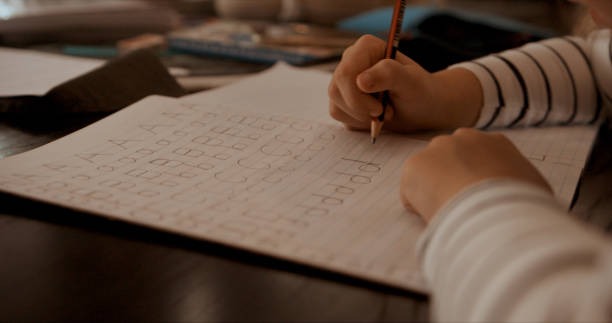
In the heart of every bustling classroom lies the intricate dance of communication.
Teachers, with their wealth of knowledge and passion for learning, strive to convey complex ideas and instructions clearly.
For students, especially those still finding their footing in the world of academia, understanding directions can sometimes feel like navigating a maze.
Fortunately, with the right tools and approaches, clarity can flourish, creating an environment where learning thrives.
One of the most effective ways to enhance understanding in the classroom is through visual aids. These tools transform abstract concepts into tangible representations, allowing students to grasp ideas more easily. For instance, using charts, diagrams, or infographics can break down complex information into digestible pieces. A well-designed visual can serve as a roadmap, guiding students through the learning process. When they can see the connections between ideas, it not only makes directions clearer but also fosters a deeper understanding of the material.
Incorporating technology into the classroom also plays a significant role in clarifying directions. Interactive whiteboards and digital projectors can bring lessons to life, allowing teachers to illustrate concepts dynamically. Whether it’s showing a video that demonstrates a scientific principle or using an interactive map in a geography lesson, technology engages students in a way that traditional methods sometimes cannot. The immediacy of visual feedback helps students follow along and stay engaged, making the learning experience more enjoyable and effective.
Another invaluable tool for making directions clear is the use of manipulatives. These hands-on resources provide students with the opportunity to explore concepts physically. In a math lesson, for example, using blocks or counters can help students visualize addition and subtraction. When they can physically manipulate objects, they gain a better grasp of abstract concepts. This tactile approach not only aids in comprehension but also caters to different learning styles, ensuring that every student has the chance to engage with the material in a way that resonates with them.
Creating a structured environment is also essential for clarity. Establishing routines and providing clear expectations can significantly reduce confusion. When students know what to expect, they can focus on the content rather than navigating uncertainty. Simple practices, such as a consistent format for instructions or a designated area for questions, can make a world of difference. This structure allows students to feel secure, knowing they have a solid foundation from which to learn.
Communication is key in any educational setting. Encouraging an open dialogue between teachers and students fosters an atmosphere of trust and understanding. When students feel comfortable asking questions, they are more likely to seek clarification when directions are unclear. Regular check-ins can also be beneficial. A quick informal survey or a simple question like “Does everyone understand what we’re doing today?” can give teachers insight into their students’ comprehension. This practice not only clarifies directions but also empowers students to take an active role in their learning journey.
Incorporating storytelling into lessons can also illuminate directions in a unique way. Narratives have a natural ability to capture attention and convey information in an engaging manner. When teachers weave stories into their lessons, they create a relatable context that helps students understand the relevance of what they are learning. This approach can transform a seemingly dry lesson into an adventure, making directions feel less like a chore and more like an exciting quest for knowledge.
Another gentle yet effective method for making directions clear is through peer collaboration. Encouraging students to work together allows them to discuss instructions and help one another understand the material. This collaborative spirit not only reinforces learning but also builds a sense of community within the classroom. When students explain concepts to their peers, they solidify their own understanding while fostering a supportive environment where everyone feels valued.
Feedback is a crucial element in the learning process. Providing constructive feedback on assignments and tasks can clarify expectations and guide students toward improvement. When teachers take the time to highlight what students did well and where they can grow, it reinforces the directions given. This ongoing dialogue helps students understand their progress and clarifies any lingering confusion about the material.
As we navigate the complexities of education, it’s essential to remember that clarity in directions is not just about the tools used but also about the relationships built in the classroom. A warm, approachable teacher who is genuinely invested in their students’ success can make a world of difference. When students feel seen and heard, they are more likely to engage with the material and seek help when needed.
Creating a classroom environment where directions are clear takes intention and care. By utilizing visual aids, technology, manipulatives, and fostering open communication, teachers can pave the way for a more enriching learning experience. Additionally, incorporating storytelling, peer collaboration, and constructive feedback adds layers of connection and understanding that resonate with students.
Ultimately, the goal is to cultivate a space where clarity reigns, allowing students to navigate their educational journeys with confidence and joy. As we reflect on the various tools available, it becomes evident that the heart of effective teaching lies not only in the methods employed but also in the compassion and understanding shared between educators and learners. With a gentle approach, we can illuminate the path of learning, making it a journey filled with discovery and growth.