In the ever-evolving landscape of education, the importance of engaging students in meaningful exploration cannot be overstated.
Classrooms are no longer just spaces for rote learning; they are dynamic environments where curiosity thrives.
As educators and parents, we can tap into a variety of tools that not only foster this exploration but also create a sense of wonder and excitement about learning.
Creating a space for discovery begins with understanding the essence of exploration itself. It’s about encouraging students to ask questions, think critically, and engage with the world around them. The right tools can transform traditional learning into an interactive experience that sparks creativity and promotes a deeper understanding of concepts.
One of the most compelling ways to encourage classroom exploration is through the use of technology. Interactive applications and educational software can serve as gateways to a wealth of information and experiences. For instance, virtual reality (VR) can take students on a journey to ancient civilizations or explore the depths of the ocean without ever leaving their desks. This immersive experience not only captivates students’ attention but also allows them to engage with content in a way that textbooks simply cannot replicate.
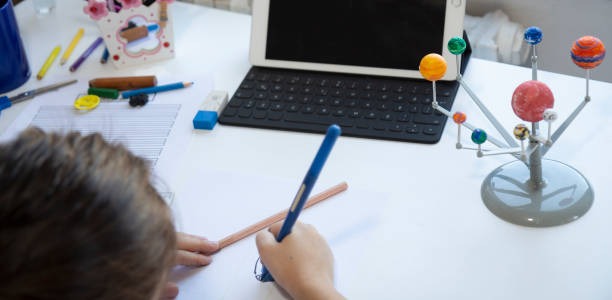
Similarly, augmented reality (AR) tools can bring static images to life, turning ordinary lessons into extraordinary ones. Imagine a science class where students can view the solar system in 3D, allowing them to explore the planets and their movements in real-time. These technologies invite students to participate actively in their learning, rather than passively absorbing information.
Beyond technology, hands-on learning tools are essential in cultivating a spirit of exploration. Science kits that allow students to conduct experiments or build models can foster a sense of inquiry and experimentation. When learners can manipulate materials and observe outcomes firsthand, they develop a deeper understanding of scientific principles. This tactile approach to education encourages them to ask questions and seek answers through their own investigations.
Art supplies can also play a significant role in classroom exploration. Providing students with various materials—such as paints, clay, and collage materials—invites them to express their thoughts and feelings creatively. Artistic exploration can serve as a powerful tool for self-expression, allowing students to communicate ideas that might be difficult to articulate through words alone. It encourages them to think outside the box and engage with topics in a multidimensional way.
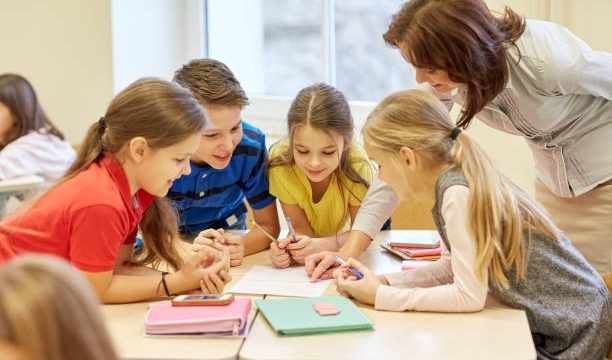
In addition to tools and materials, creating an inviting classroom environment is crucial for encouraging exploration. Flexible seating arrangements, such as bean bags or standing desks, can help students feel more comfortable and open to engaging with their surroundings. A classroom layout that promotes collaboration and interaction can inspire students to share ideas and work together on projects. When students feel at ease, they are more likely to take risks in their learning, leading to deeper exploration.
A small shift toward balance can also be achieved through mindfulness practices in the classroom. Incorporating moments of reflection and calm can help students center themselves and focus on their learning. Simple practices, such as guided meditation or mindful breathing exercises, can create a serene atmosphere that enhances concentration. When students feel grounded, they are more equipped to dive into new topics and embrace challenges with an open mind.
Facilitating outdoor exploration is another enriching avenue for engagement. Nature walks, field trips, or even simple garden projects can connect students with the natural world. These experiences not only provide a break from the traditional classroom setting but also foster a sense of stewardship and curiosity about the environment. Students can observe ecosystems, collect samples, and engage in discussions about sustainability—all while enjoying the beauty of the outdoors.
Collaboration with community resources can also enhance classroom exploration. Inviting guest speakers, such as local scientists, artists, or historians, can provide students with unique insights and inspire their curiosity. Field trips to museums, botanical gardens, or science centers allow students to experience learning in new contexts. These interactions can ignite a passion for discovery and broaden their understanding of the world around them.
As we consider the tools that encourage exploration, it’s essential to reflect on the role of the educator. Teachers who model curiosity and a love for learning set the tone for their classrooms. By sharing their own exploration journeys, whether through personal anecdotes or professional development experiences, educators can inspire students to embark on their own paths of inquiry. When students see their teachers as fellow explorers, it fosters a sense of community and shared discovery.
In a world where information is constantly at our fingertips, the challenge lies in guiding students to navigate this vast sea of knowledge. The tools we choose to implement in the classroom should not only provide access to information but also encourage critical thinking and creativity. By fostering an environment where exploration is celebrated, we help students cultivate a lifelong love for learning.
As we look to the future of education, it’s clear that the tools we use can profoundly impact our students’ experiences. Whether through technology, art, hands-on learning, or community engagement, the possibilities for exploration are limitless. By embracing these tools, we empower students to become curious, confident learners who are eager to explore the world around them.
In conclusion, encouraging classroom exploration is not just about the tools themselves but about fostering a culture of curiosity and engagement. When students feel supported in their explorations, they develop a deeper connection to their learning, paving the way for a brighter future filled with endless possibilities. As we continue to navigate the ever-changing landscape of education, let’s remember that exploration is at the heart of growth—both for students and for ourselves.