In a world that seems to be ever-changing, the tools we provide to our young learners can significantly shape their experiences and development.
As parents and educators, it’s essential to choose resources that not only engage children but also nurture their growth in a holistic way.
When selecting tools for young learners, it is crucial to consider their emotional, social, and cognitive needs, ensuring a well-rounded approach to their education.
Crafting an enriching learning environment starts with understanding the interests and abilities of each child. Each young learner is unique, with their own pace and style of learning. Therefore, the best tools are those that can adapt to these individual needs. Whether it’s a colorful set of building blocks, an interactive app, or a simple book, the right tools can ignite curiosity and foster a love for learning.
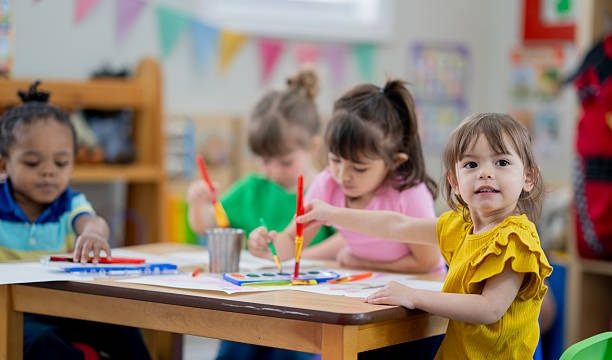
Encouraging creativity is an integral part of a child’s development. Art supplies, such as paints, crayons, and modeling clay, can provide an excellent outlet for expression. These materials not only allow children to explore their imaginations but also help them develop fine motor skills. The act of creating something from scratch can instill a sense of accomplishment and confidence, which is vital in their formative years.
In addition to creative tools, incorporating technology can enhance learning experiences when used mindfully. Educational apps and games designed for young learners can make learning fun and interactive. These tools often incorporate elements of play, allowing children to engage with subjects like math and science in an enjoyable way. However, it’s essential to strike a balance; screen time should be limited and complemented with hands-on activities to ensure a well-rounded approach.
A small shift toward balance can also be achieved through outdoor learning tools. Nature offers a wealth of opportunities for exploration and discovery. Simple items like magnifying glasses, bug catchers, and gardening kits can transform a backyard into a vibrant classroom. The outdoors provides an ever-changing environment that stimulates curiosity and encourages physical activity. Engaging with nature not only enhances learning but also fosters a connection to the world around them, which is increasingly important in today’s digital age.
Social development is another critical aspect of a child’s growth. Tools that promote collaboration and teamwork can be incredibly beneficial. Board games, group projects, and cooperative activities encourage children to communicate, share ideas, and work together towards a common goal. These experiences help them develop essential social skills and build friendships, which are fundamental to their emotional well-being.
As we curate tools for young learners, it’s important to consider the role of literature. Books can transport children to different worlds, broaden their perspectives, and ignite their imaginations. Introducing a variety of genres, from fairy tales to non-fiction, can nurture a love for reading. Storytime can become a cherished routine, providing a space for bonding and discussion. Choosing inclusive literature that reflects diverse experiences can also foster empathy and understanding, enriching their social consciousness.
In the realm of physical activity, tools that promote movement and coordination are invaluable. Simple items like hula hoops, jump ropes, or even a balance beam can encourage children to be active while developing their motor skills. Physical play is not just about exercise; it’s a vital component of learning that helps improve focus and cognitive function. When children engage in physical activities, they release energy and stress, making them more receptive to learning during quieter moments.
As we navigate the vast array of tools available, it’s essential to prioritize safety. Choosing age-appropriate materials that are non-toxic and durable ensures that children can explore freely without risk. Reading reviews, seeking recommendations, and doing a bit of research can help in making informed choices. Creating a safe and inviting space for learning can enhance a child’s confidence and willingness to explore new ideas.
The emotional aspect of learning should never be overlooked. Tools that promote mindfulness and emotional intelligence can significantly benefit young learners. Simple resources like emotion cards or mindfulness books can introduce children to concepts of empathy and self-regulation. Teaching them to recognize and express their feelings fosters resilience and emotional well-being, equipping them with essential life skills.
In addition to physical tools, creating an atmosphere of encouragement and support is paramount. A nurturing environment where mistakes are viewed as learning opportunities can empower children to take risks and explore new challenges. Celebrating their efforts, no matter how small, helps build their self-esteem and motivates them to continue learning.
Ultimately, the journey of choosing the best tools for young learners is an ongoing process. As children grow and their interests evolve, so too should the resources we provide. Staying attuned to their changing needs and preferences is key. Regularly introducing new tools and experiences can keep the learning environment fresh and exciting.
In conclusion, the best tools for young learners are those that inspire creativity, promote collaboration, and encourage exploration. By thoughtfully selecting resources that cater to their diverse needs, we can create a nurturing environment where children thrive. Embracing a holistic approach to learning not only enriches their educational experiences but also lays a solid foundation for a lifetime of curiosity and growth. As we embark on this journey with our young learners, let’s celebrate the joy of discovery, nurturing their potential every step of the way.