Creating a nurturing and effective learning environment for students is a journey that many educators embrace wholeheartedly.
Within the walls of a classroom, educators have the unique opportunity to shape young minds and instill a love for learning.
One of the most effective ways to achieve this is through the use of various classroom tools that reinforce key concepts.
These tools not only enhance understanding but also create an engaging atmosphere where students feel valued and inspired to explore.
The importance of foundational concepts in education cannot be overstated. They serve as the building blocks for more complex ideas. When students grasp these essential elements, they are more likely to succeed in their academic pursuits. As such, the tools we choose to facilitate this learning experience can make all the difference.
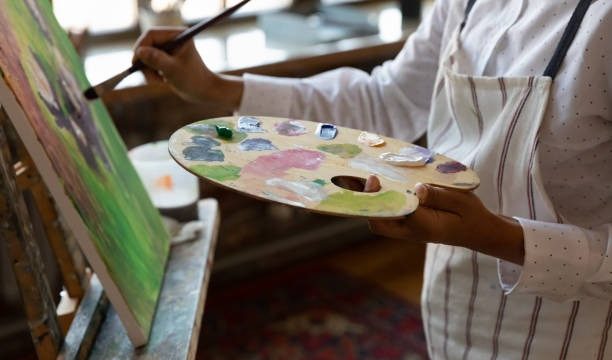
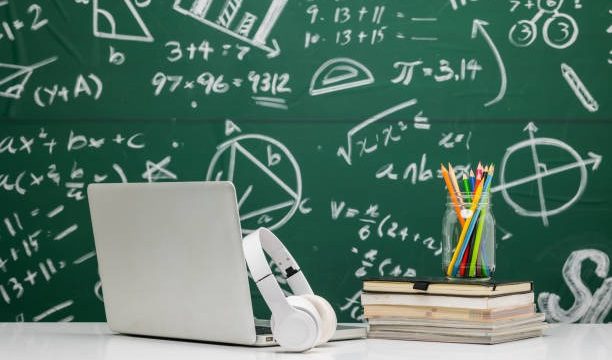
One effective approach is the integration of visual aids. These aids can take many forms, from colorful posters to interactive whiteboards. Visuals have the remarkable ability to simplify complex ideas, making them more accessible to students. For instance, a well-designed infographic can break down a challenging mathematical concept into digestible parts. The use of diagrams, charts, and illustrations can also help students retain information better, as they create a visual connection to the material being taught.
Interactive tools, such as educational games and online quizzes, also play a significant role in reinforcing key concepts. These tools not only make learning fun but also encourage active participation. When students engage in a game that tests their knowledge, they are more likely to remember what they’ve learned. The thrill of competition, even in a friendly manner, can motivate students to dive deeper into the subject matter. By incorporating these interactive elements, educators can create a dynamic classroom atmosphere that fosters enthusiasm for learning.
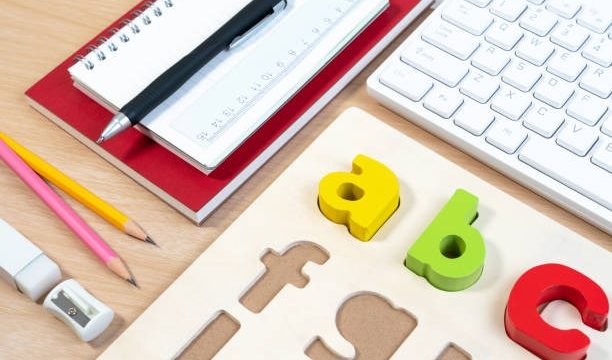
Another valuable tool in the educator’s toolkit is manipulatives. These hands-on resources allow students to physically interact with concepts, making abstract ideas more concrete. For example, using blocks to teach fractions can provide a tactile experience that enhances understanding. Students can see and touch the components of a fraction, transforming what could be a confusing concept into something tangible and relatable. This kinesthetic approach is particularly beneficial for younger learners or those who thrive on physical engagement.
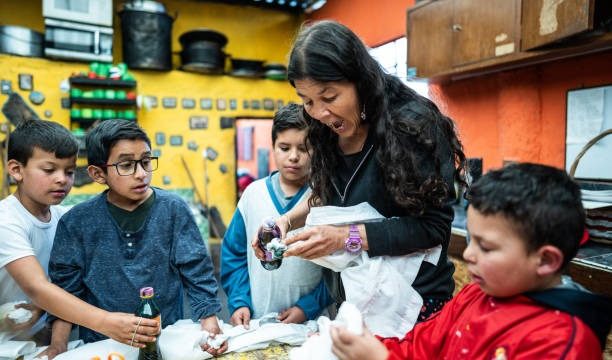
Collaboration is also key in reinforcing concepts. Group activities that encourage teamwork can help students learn from one another while solidifying their understanding. When students explain concepts to their peers, they reinforce their own knowledge. This collaborative learning environment fosters communication skills and builds confidence. Tools like group projects or peer teaching sessions can create a sense of community, where students feel supported in their learning journey.
Technology has revolutionized the way we approach education, and its integration into the classroom can enhance the learning experience significantly. Digital platforms can provide access to a wealth of resources that cater to various learning styles. For instance, videos and podcasts can deliver content in an engaging way, while interactive simulations can allow students to experiment with concepts in a virtual setting. By harnessing technology, educators can open up a world of possibilities for their students, making learning more accessible and exciting.
Incorporating storytelling into lessons is another gentle yet powerful method to reinforce key concepts. Stories can captivate young minds, making the material more relatable and memorable. When concepts are woven into a narrative, students are often more engaged and willing to explore. For example, a historical lesson can come alive through the story of a significant figure, allowing students to connect emotionally with the content. This approach not only enhances understanding but also nurtures a love for storytelling, which is an essential skill in itself.
A small shift toward balance can also be achieved through mindfulness practices within the classroom. Taking a moment to pause, breathe, and reflect can create a calm environment conducive to learning. Incorporating short mindfulness exercises can help students focus better and reduce anxiety, thus enhancing their ability to absorb and retain information. This holistic approach to education acknowledges the emotional and mental well-being of students, recognizing that a balanced mind is crucial for optimal learning.
As educators strive to create an inclusive environment, tools that promote diversity and representation can also play a vital role. Resources that reflect a variety of cultures, backgrounds, and experiences can help students feel seen and valued. When students encounter materials that resonate with their identities, they are more likely to engage deeply with the content. This not only reinforces key concepts but also fosters empathy and understanding among peers.
Creating a classroom filled with tools that reinforce key concepts is an ongoing journey. It requires thoughtful consideration of the needs and preferences of students. By integrating visual aids, interactive games, manipulatives, technology, storytelling, mindfulness practices, and inclusive resources, educators can create a rich tapestry of learning experiences. The ultimate goal is to cultivate an environment where students feel inspired to explore, ask questions, and develop a lifelong love for learning.
In the end, the tools we choose to implement in the classroom should reflect our commitment to nurturing young minds. Each tool has the potential to unlock new pathways of understanding, guiding students toward a brighter future. As educators, we have the privilege of shaping the next generation, and by thoughtfully selecting classroom tools, we can create lasting impacts that extend far beyond the walls of our classrooms. Through patience, creativity, and a genuine passion for teaching, we can inspire students to become curious, engaged learners ready to take on the world.