In the ever-evolving landscape of education, a growing recognition is emerging around the importance of peer-to-peer empowerment in schools.
This concept transcends traditional learning methods, recognizing that students can be powerful allies in each other’s educational journeys.
By fostering an environment where students support one another, schools can cultivate a sense of community, resilience, and a deeper understanding of personal and collective growth.
Building connections and friendships among students can be a transformative experience. Schools are not just places for academic learning; they are also vital social environments where young people develop their identities and learn to navigate relationships. When students feel empowered to help one another, they not only enhance their own learning but also contribute to a more inclusive atmosphere. This camaraderie can lead to improved emotional well-being and academic success.
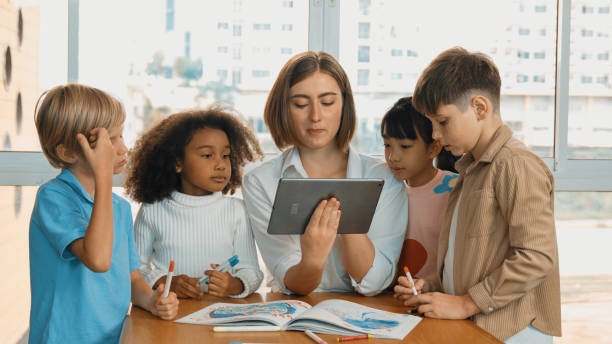
A gentle shift toward collaboration can make a significant difference. In classrooms where teamwork is encouraged, students learn to appreciate diverse perspectives and skills. Group projects, peer tutoring, and collaborative learning activities create opportunities for students to share their strengths and support one another in areas where they may struggle. This not only reinforces content knowledge but also cultivates essential life skills, such as communication, empathy, and problem-solving.
Creating a culture of peer support begins with educators modeling positive behavior. Teachers play a pivotal role in setting the tone for collaborative interactions. By demonstrating respect and encouragement among students, educators can inspire a similar ethos within the classroom. When students see their teachers valuing teamwork and peer input, they are more likely to embrace these principles themselves.
Encouraging students to take on leadership roles can also enhance their sense of empowerment. Informal mentorship programs, where older students guide younger peers, can be particularly effective. These relationships, built on trust and mutual respect, not only benefit the mentees but also instill a sense of responsibility and accomplishment in the mentors. By providing opportunities for leadership, schools can nurture a generation of confident individuals who are eager to uplift their peers.
In addition to fostering individual growth, peer-to-peer empowerment can also enhance the overall school environment. A culture of support and collaboration can lead to reduced conflict, improved attendance, and higher levels of engagement. When students feel connected to one another, they are more likely to reach out for help when needed, creating a safety net that promotes well-being. This supportive atmosphere can be particularly beneficial for those who may feel isolated or marginalized, ensuring that every student has a place where they belong.
As schools embrace the idea of peer empowerment, it’s essential to recognize the role of inclusivity. Every student has unique experiences and strengths, and a truly empowering environment welcomes these differences. Activities that celebrate diversity and encourage open dialogue can help break down barriers and foster understanding. Workshops, cultural events, and discussion groups can all serve to create a richer tapestry of experiences, where students learn from one another and grow together.
The integration of technology can also play a role in supporting peer-to-peer empowerment. In today’s digital age, online platforms can facilitate connections among students beyond the physical classroom walls. Virtual study groups, forums for discussion, and collaborative projects using digital tools can extend the reach of peer support. These platforms provide a space for students to share resources, ask questions, and celebrate each other’s successes, no matter where they are.
While the benefits of peer-to-peer empowerment are clear, it is important to approach this initiative with sensitivity. Not every student may feel comfortable stepping into a leadership role or opening up to their peers. Creating an environment where students can express their needs and boundaries is crucial. Schools can offer training for students on how to be effective peer supporters, focusing on active listening, empathy, and respect for individual differences.
As we reflect on the importance of peer-to-peer empowerment in schools, it’s essential to consider the long-term impact on students’ lives. The skills and values they develop during their school years can carry over into their future relationships and professional endeavors. By learning to support one another, students cultivate a sense of community that extends beyond the classroom, preparing them to be compassionate and engaged citizens in a broader society.
In conclusion, supporting peer-to-peer empowerment in schools is a multifaceted endeavor that requires the collaboration of students, educators, and the wider school community. By fostering an environment where students feel valued and supported by their peers, schools can create a nurturing atmosphere that promotes both personal and academic growth. The journey of empowerment is not just about individual success; it is about building a strong, interconnected community that thrives on mutual respect and support. As we embrace this approach, we can help shape a generation of empowered individuals who are not only equipped to succeed but are also committed to uplifting those around them.