Creating a vibrant and engaging classroom environment is essential for fostering a love of learning among students.
One effective approach to achieving this is through the use of learning prints—colorful, visually stimulating materials that can enhance the educational atmosphere.
These prints can transform a traditional classroom into a bright, inviting space that sparks curiosity and creativity.
When we think about learning prints, we often envision posters filled with facts or inspirational quotes. While these certainly have their place, the concept of learning prints extends far beyond mere decoration. It encompasses a thoughtful integration of visuals that resonate with students’ experiences, interests, and developmental needs. By carefully selecting and displaying these materials, educators can create a nurturing environment that encourages exploration and engagement.
A gentle shift toward connection
At the heart of learning prints is the idea of connection. When students see materials that reflect their own lives, cultures, and aspirations, they are more likely to feel a sense of belonging in the classroom. This connection can be achieved through diverse imagery that celebrates various backgrounds and perspectives. For instance, incorporating prints that highlight different cultures, historical figures, or contemporary role models can make a world of difference. It helps students recognize themselves in what they see, fostering a deeper understanding of the subjects they are studying.
Moreover, engaging learning prints can serve as conversation starters. Imagine a wall adorned with vibrant graphics that depict the life cycle of a butterfly or the solar system. These visuals can pique students’ curiosity and lead to meaningful discussions, encouraging them to ask questions and seek answers together. This collaborative spirit not only enhances learning but also builds community within the classroom.
Creating a nurturing atmosphere
The colors and designs of learning prints also play a significant role in shaping the classroom atmosphere. Soft, calming hues can create a serene environment conducive to concentration, while bright, lively colors can energize students and stimulate creativity. Thoughtfully selecting color palettes that align with the intended mood can influence how students feel and behave in the space.
Textures and patterns can further enrich the visual experience. Incorporating a mix of prints—some with smooth lines and others with intricate designs—can add depth and interest to the environment. The tactile aspect of these materials can also engage students’ senses, making the classroom feel more dynamic and alive.
A focus on themes and concepts
Another beautiful aspect of learning prints is their versatility in highlighting themes and concepts. Educators can curate collections of prints that align with current lessons or projects, reinforcing the material visually. For example, if students are exploring ecosystems, a display of prints showcasing various habitats can serve as a constant reminder of their learning journey. This thematic approach allows for a cohesive narrative throughout the classroom, making the information more memorable.
In addition to academic themes, prints that emphasize social-emotional learning can greatly benefit students. Imagery that reflects kindness, empathy, and resilience can inspire students to embody these values. Incorporating quotes or affirmations alongside these visuals can further reinforce positive behaviors and attitudes.
Bringing in student voices
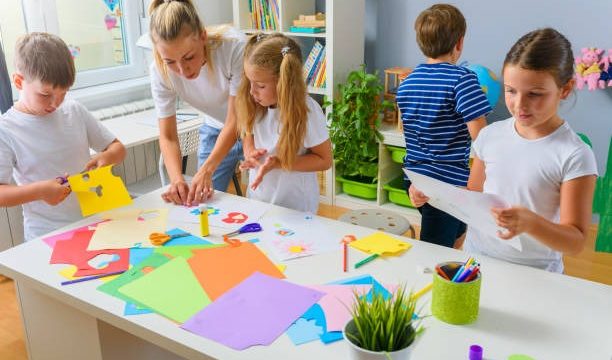
Empowering students to contribute to the classroom’s visual landscape can enhance their investment in the learning environment. Encouraging them to create their own prints—whether through art projects, photography, or digital designs—can foster a sense of ownership and pride. Displaying their work alongside curated materials creates a rich tapestry of voices within the classroom. This collaborative effort not only beautifies the space but also validates students’ contributions, reinforcing the idea that their thoughts and expressions matter.
As students engage with their own creations, they also develop important skills such as critical thinking, creativity, and collaboration. These experiences can be incredibly fulfilling, enhancing their overall educational journey.
Maintaining balance and harmony
While learning prints are undoubtedly valuable, it’s essential to strike a balance in their use. A classroom filled with too many visuals can become overwhelming, detracting from the intended purpose. It’s important to curate the collection thoughtfully, ensuring that each print serves a specific function or adds value to the learning experience.
Regularly rotating prints can also keep the environment fresh and engaging. This practice allows educators to introduce new themes or concepts, keeping students excited and curious. It can also provide opportunities for reflection, as students can revisit previous materials and see how their understanding has evolved.
A closing thought on inspiration
Creating a bright classroom through learning prints is ultimately about inspiration. It’s about cultivating a space where students feel encouraged to explore, question, and imagine. By thoughtfully integrating visuals that resonate with their lives and learning experiences, educators can create an environment that not only supports academic growth but also nurtures emotional and social development.
In the end, the journey of learning is a collective one, and the classroom can be a vibrant canvas where every student’s voice is represented. Through the careful selection and integration of learning prints, educators can transform their classrooms into lively spaces that inspire curiosity, creativity, and connection. With each print telling a story, the classroom becomes a place where students not only learn but thrive.