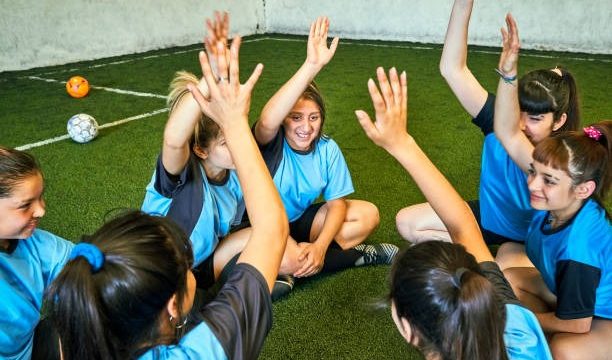
School sports are often viewed as a rite of passage for many students, a time-honored tradition that brings together young athletes in a spirited environment.
But beyond the thrill of competition and the camaraderie of teammates, there lies a deeper significance to school sports that resonates with every student.
These activities are not just about winning or losing; they offer a wealth of benefits that contribute to a well-rounded educational experience.
One of the most compelling reasons school sports matter is the sense of community they foster. In a world where students can often feel isolated, participating in a team sport creates a strong bond among peers. Whether it’s cheering for one another during practices, strategizing for upcoming games, or simply sharing the joys and challenges of the season, these experiences cultivate lasting friendships. School sports provide a unique platform for students to connect, learn from one another, and build a support network that can extend beyond the playing field.
The physical benefits of engaging in sports are perhaps the most obvious. Regular participation in physical activities encourages a healthy lifestyle, instilling habits that can carry into adulthood. Students who are active tend to have more energy, improved concentration, and better overall health. They learn the importance of taking care of their bodies, which can lead to a greater appreciation for wellness and fitness in their daily lives. However, the advantages extend beyond the physical realm.
Mental well-being is another significant aspect of school sports. Engaging in physical activities is known to reduce stress and anxiety, two common challenges faced by students today. The thrill of competition, the joy of teamwork, and the satisfaction of personal achievement can all contribute to improved mental health. Sports provide a constructive outlet for emotions and a way to channel energy positively. For many students, the field or court becomes a safe space where they can express themselves and find relief from academic pressures.
As students navigate the complexities of growing up, school sports also teach essential life skills. Through sports, students learn about discipline, time management, and goal setting. Balancing practice schedules with academic responsibilities requires a level of organization and commitment that can serve them well in future endeavors. The experience of working toward a common goal with teammates instills a sense of responsibility and accountability. These skills are invaluable, preparing students for the challenges they will face in both their personal and professional lives.
Moreover, school sports can boost self-esteem and confidence. When students set goals and achieve them, whether it’s scoring a point in a game or improving their personal best, they experience a sense of accomplishment. This feeling can translate into other areas of their lives, encouraging them to take on new challenges and push their limits. The ability to overcome obstacles, whether on the field or in the classroom, is a powerful lesson that can shape their character.
A small shift toward balance is also worth mentioning. In a society that often prioritizes academic performance, school sports provide a necessary counterbalance. They remind students that success isn’t solely measured by grades but also by personal growth, teamwork, and resilience. Engaging in sports can help students develop a more rounded identity, allowing them to explore different aspects of themselves beyond academics. This holistic approach to development is crucial in nurturing well-adjusted individuals who can thrive in various environments.
In addition, school sports can serve as a catalyst for inclusivity and diversity. They bring together students from various backgrounds, fostering an environment where differences are celebrated. This exposure to diverse perspectives encourages empathy and understanding among teammates. As students learn to collaborate and communicate with one another, they develop social skills that are essential for navigating a multicultural world. The friendships formed on the field can break down barriers and promote a sense of belonging that is vital during the formative years.
The role of coaches and mentors in school sports cannot be overlooked. These figures often play a crucial role in shaping the experiences of young athletes. A good coach not only teaches the technical skills of the sport but also emphasizes the importance of sportsmanship, respect, and integrity. They act as role models, guiding students through both victories and defeats, and instilling values that extend beyond the sports arena. The impact of a supportive coach can resonate deeply, influencing students long after they leave the field.
As we reflect on the importance of school sports, it becomes clear that their value goes far beyond mere athletic competition. They are a vital component of the educational experience, contributing to the development of well-rounded individuals. From fostering community and enhancing physical health to teaching life skills and promoting inclusivity, school sports play a crucial role in shaping the lives of students.
In a world that often emphasizes individual achievement, school sports remind us of the power of teamwork and collaboration. They cultivate a spirit of togetherness that enriches the school community and leaves a lasting impact on all who participate.
Ultimately, every student benefits from the lessons learned in school sports, regardless of their athletic abilities. The experiences gained and the friendships forged create a tapestry of memories that students carry with them into adulthood. As we encourage the next generation to engage in sports, let us celebrate not just the athletes but the holistic growth that these experiences provide. School sports matter, and their significance will continue to resonate in the hearts and minds of students for years to come.