As we navigate the intricate landscape of childhood development, the importance of inclusivity in school sports emerges as a vital topic.
School sports can be a microcosm of society, and fostering an environment where every child feels valued and included can have profound impacts not just on individuals, but on the community as a whole.
Creating an inclusive atmosphere in sports goes beyond simply allowing everyone to participate.
It is about nurturing a culture that celebrates diversity, encourages teamwork, and promotes respect among peers. This is where the seeds of empathy and understanding can be sown, leading to a more harmonious school environment.
The essence of teamwork
When children engage in sports, they learn valuable lessons about teamwork and cooperation. These experiences are not just about winning or losing; they provide opportunities for students to work together toward common goals. In an inclusive sports environment, every child, regardless of their abilities or backgrounds, can contribute to the team in unique ways.
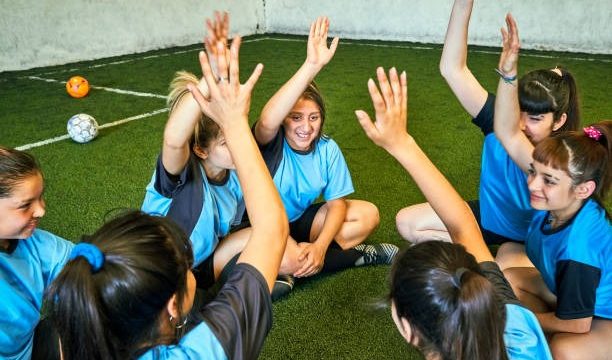
Imagine a soccer team where players are encouraged to play different positions, allowing each child to showcase their strengths. A child who may not be the fastest runner might have remarkable strategic thinking skills, helping the team navigate through challenges. By valuing these differences, we foster a culture where every contribution is recognized and appreciated.
Building friendships beyond boundaries
One of the most beautiful aspects of school sports is the friendships that blossom. When children from various backgrounds come together, they have the chance to learn from one another. These interactions can break down barriers and dispel stereotypes, creating a richer social fabric within the school.
Consider the impact of a basketball court where students of different ages, abilities, and cultures play side by side. As they pass the ball, they also share stories, laughter, and experiences that transcend their differences. These friendships can extend beyond the court, fostering a sense of belonging and community that is essential for emotional well-being.
A small shift toward balance
Inclusivity in sports also encourages a shift in perspective for coaches and educators. Rather than focusing solely on skill development or competitive success, they can emphasize personal growth and character building. This shift can inspire coaches to adopt more inclusive practices, such as mixed-ability training sessions or adaptive sports programs.
By prioritizing the development of soft skills, like communication and resilience, we help children understand that sports are about more than just physical prowess. They learn to face challenges, support their teammates, and embrace the spirit of sportsmanship, all of which are essential life skills.
Encouraging participation through diverse offerings
Schools can further promote inclusivity by offering a variety of sports and activities that cater to different interests and skill levels. Traditional sports like basketball and soccer are fantastic, but introducing options such as yoga, dance, or even non-competitive games can engage a wider range of students.
These alternatives can be particularly beneficial for those who may not feel comfortable in conventional sports settings. By providing diverse offerings, schools can create an environment where every child can find something they enjoy, thus encouraging greater participation.
Engaging families in the conversation
It’s essential to recognize that inclusivity in school sports extends beyond the field or court. Engaging families in the conversation about inclusivity can create a supportive environment at home, reinforcing the values learned in school. Schools can host workshops or informational sessions to educate parents on the importance of inclusivity and how they can contribute to fostering it.
Involving families can also lead to more community support for school sports programs. When parents understand the benefits of inclusivity, they are more likely to advocate for policies and practices that support all students, creating a ripple effect that enhances the school community as a whole.
Celebrating achievements, big and small
In an inclusive sports environment, every achievement deserves recognition, regardless of its scale. Celebrating not just victories but also personal milestones can motivate students to continue participating. For instance, a child who improves their skills or shows great sportsmanship can be highlighted, fostering a sense of pride and accomplishment.
These celebrations can take many forms, from shout-outs during school assemblies to awards that recognize various contributions to the team. By acknowledging these moments, we reinforce the idea that every effort counts and that participation itself is a victory.
Fostering a culture of respect
At the heart of inclusivity is respect. Teaching children to respect their teammates, coaches, and opponents is crucial in creating a positive sports environment. This can be achieved through open discussions about sportsmanship, empathy, and the importance of kindness in competition.
When children learn to appreciate the efforts of others, they develop a sense of accountability and responsibility. They understand that each individual brings something valuable to the team, and this mindset can lead to a more supportive and nurturing environment.
The long-term impact of inclusive sports
The benefits of encouraging inclusivity in school sports extend far beyond the playing field. Students who engage in inclusive sports programs are more likely to develop strong social skills, higher self-esteem, and a sense of belonging. These attributes can have lasting effects, influencing their relationships and interactions throughout their lives.
As they grow into adulthood, these individuals are more likely to become advocates for inclusivity in their own communities. The lessons learned on the field—about teamwork, respect, and resilience—can shape how they approach challenges and relationships in the broader world.
In conclusion, fostering inclusivity through school sports is more than a noble goal; it is a pathway to nurturing well-rounded, empathetic individuals. By creating an environment where every child feels valued and included, we not only enrich their lives but also strengthen the fabric of our communities. As we encourage participation, celebrate achievements, and foster respect, we pave the way for a brighter, more inclusive future for all.