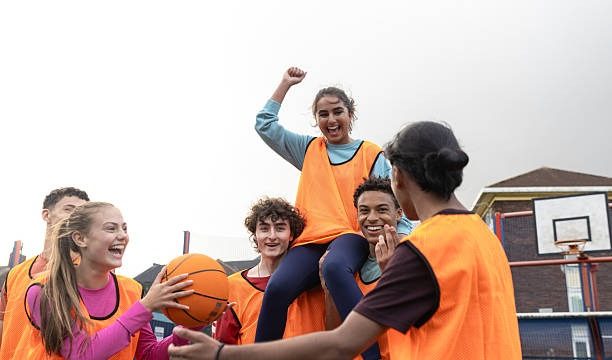
Discovering Confidence in School PE
Physical Education, often abbreviated as PE, is a cornerstone of school life.
While it may seem just like a series of activities and games, it holds the potential to shape students’ confidence and self-esteem in profound ways.
For many, the gymnasium or the playing field can feel like a stage where insecurities come to light, but it can also be a nurturing environment for growth and self-discovery.
The journey to finding confidence in PE begins with understanding that everyone has their own unique starting point. Some students may shine on the basketball court, while others might feel more comfortable in the swimming pool or during a dance class. Recognizing that each individual has different strengths is essential in fostering a supportive atmosphere. This acknowledgment creates a sense of belonging, allowing students to feel more at ease when participating in physical activities.
A small shift toward balance can make a significant difference in how students perceive themselves in PE. When the focus is placed not solely on competition but on personal growth and enjoyment, students can begin to appreciate the experience rather than dread it. Instructors play a crucial role in this transformation. By encouraging students to set personal goals and celebrate their achievements—no matter how small—they can cultivate a positive environment that fosters confidence.
Moreover, the camaraderie that develops during PE classes is invaluable. Working together in teams or partnering up for activities can help break down barriers and create bonds among students. This sense of community is particularly important as it reinforces the idea that everyone is in this together. When students cheer each other on, share tips, or simply enjoy each other’s company, they learn that support is a two-way street. This shared experience can help alleviate the pressure that often accompanies performance, making it easier to focus on having fun and learning.
Exploring different activities in PE can also be a wonderful way to build confidence. While traditional sports like basketball, soccer, and volleyball are staples, introducing a variety of options—such as yoga, dance, or martial arts—can help students discover new passions. These alternative activities not only promote physical fitness but also empower students to step out of their comfort zones. When they try something new and succeed, even in small ways, it reinforces their belief in their abilities.
Another important aspect of building confidence in PE is understanding the value of resilience. Not every attempt will result in success, and that’s perfectly okay. Learning to navigate setbacks is a vital life skill. Encouraging students to view challenges as opportunities for growth can help them develop a healthier mindset. For instance, if a student struggles with a particular skill, instead of feeling defeated, they can focus on what they can do to improve. This shift in perspective is essential in nurturing a sense of self-efficacy.
Creating an inclusive environment is also key to fostering confidence in PE. Every student should feel welcome and valued, regardless of their physical abilities or prior experience. Instructors can facilitate this by ensuring that all activities can be adapted to accommodate various skill levels. When students see that everyone’s contributions are appreciated, it diminishes feelings of inadequacy and boosts their confidence to participate fully.
Additionally, the role of positive reinforcement cannot be overstated. Recognizing effort, improvement, and teamwork helps students feel seen and appreciated. A simple word of encouragement from a teacher or a teammate can go a long way. It’s these small affirmations that build a foundation of confidence, allowing students to take pride in their progress and encouraging them to keep trying.
While the focus in PE is often on physical skills, it’s essential to remember the mental and emotional aspects of participation. Mindfulness practices can be integrated into PE classes to help students ground themselves and manage any anxiety they might feel. Techniques such as deep breathing or visualization can enhance their experience, allowing them to approach activities with a calmer, more focused mindset.
In this journey of self-discovery, it’s also important for students to reflect on their experiences. Taking time to think about what they enjoy and what challenges them can provide valuable insights. Journaling or discussing these reflections with a trusted teacher or friend can help solidify their understanding of their strengths and areas for growth. This self-awareness is a powerful tool in building lasting confidence, as it encourages students to take ownership of their journey.
As the school year progresses, students will inevitably face various hurdles, both in and out of PE classes. However, cultivating a sense of confidence within the context of physical education can serve as a strong foundation for tackling challenges in other areas of life. The skills learned through teamwork, resilience, and self-reflection will carry over into academics and personal relationships, equipping students with the tools they need to navigate the complexities of growing up.
Ultimately, discovering confidence in school PE is about more than just physical prowess. It’s about embracing the journey of self-discovery, fostering connections, and learning to appreciate one’s unique abilities. As students engage with their peers and explore new activities, they will not only enhance their physical fitness but also develop a sense of self-worth that will serve them well throughout their lives.
In the end, PE can be a transformative experience, one that nurtures not just the body but the mind and spirit as well. By creating an environment that emphasizes growth, support, and inclusivity, schools can help students discover their confidence and lay the groundwork for a healthy, fulfilling life.